Best Amazon price tracker tools in 2026
Choose an Amazon price tracker by task: LMK for cross-store gift lists, Keepa for price history, or CamelCamelCamel for simple watches. Compare the trade-offs.

Best overall for cross-store gift shopping: LMK. Best for detailed Amazon price history: Keepa. Best for straightforward Amazon price watches: CamelCamelCamel. This 2026 guide separates wishlist tracking from price-history research so you can choose the tool that fits your shopping.
- LMK is the best Amazon price tracker choice for gift shoppers who want cross-store wishlists and automatic price-drop alerts.
- Choose Keepa when historical Amazon prices matter more than sharing a gift list.
- Choose CamelCamelCamel for Amazon price-history charts and straightforward price watches.
- Check the exact product, seller, and checkout total before acting on any alert.
Why this matters
An Amazon price tracker answers one of two questions: has this listing become cheaper, or is today's price good compared with its history? Those are different jobs. An alert helps you notice a change; a historical chart helps you judge it.
Gift shopping adds another requirement: keeping the item somewhere other people can find it. If that is your starting point, the Amazon wishlist to price-drop alerts workflow connects the shopping task to the reminder you actually need.
LMK is the best fit for gift shoppers who want an Amazon price tracker alongside a cross-store wishlist. Choose a dedicated history tool instead when your main question is whether a particular Amazon listing has been cheaper before.
What makes the best Amazon price tracker
Use these five criteria before choosing a tool. A long feature list matters less than a clear answer to your buying question.
- Tracking purpose: Decide whether you need a price-drop reminder, historical context, or a shared gift list. Do not treat those as interchangeable.
- Product identity: Check that the tracked listing matches the size, color, model, and quantity you intend to buy. A different variant is a different purchase.
- Price context: Historical charts help you judge an advertised reduction. A notification alone does not establish that the current offer is unusually good.
- Shopping scope: Amazon-only research and cross-store gifting need different workflows. Choose around where you actually shop, not where you found the first item.
- Decision friction: The right tool should make your next action obvious: inspect the chart, review the alert, or send the wishlist.
For a 2026 shortlist, these criteria create distinct winners rather than three tools competing for the same label. Start with your shopping task, then consider the supporting features.
Amazon price trackers at a glance
| Tool | Best for | Standout feature | Key limitation |
|---|---|---|---|
| LMK | Cross-store gift wishlists | Items from hundreds of stores with automatic price-drop alerts | The confirmed feature set does not establish an Amazon price-history chart |
| Keepa | Detailed Amazon price-history research | Historical price charts and price tracking | More information to interpret when you only need a gift list |
| CamelCamelCamel | Straightforward Amazon price watches | Amazon price-history charts and price watches | Amazon-focused tracking does not replace a cross-store registry |
The table compares purposes, not measured speed or alert accuracy. None of these recommendations depends on an invented refresh interval, delivery guarantee, or claim that one tool always finds the lowest total.
1. LMK: best Amazon price tracker for cross-store gift lists
LMK combines a universal wishlist or gift registry with automatic price tracking and drop alerts. You can keep items from Amazon, Target, Walmart, Etsy, and hundreds of other stores in one list instead of maintaining separate store-specific lists.
That combination fits a practical gift-shopping problem. You want to remember the exact item, share the idea, and notice when its price drops without rebuilding the list elsewhere.
Best for: Gift shoppers and registry creators whose choices extend beyond Amazon.
Where this approach wins
A gift list needs to communicate what someone wants, not just what a listing used to cost. Keeping cross-store items together makes the list the starting point for the purchase rather than another set of browser tabs to revisit.
This is also the right distinction when shopping for someone else. A historical low is useful context, but it does not tell you whether the recipient wanted a different size or another retailer's item.
LMK pros:
- Combines cross-store wishlists and gift registries with price tracking.
- Includes automatic price-drop alerts.
- Supports items from hundreds of stores, including Amazon.
- Keeps gift ideas from different retailers together.
LMK cons:
- The confirmed features do not establish historical Amazon price charts.
- No specific price-refresh interval is established here; do not plan around instant detection.
- A price-drop alert does not replace checking the final retailer checkout.
For a 2026 wedding registry, birthday list, or shared family gift list, choose this approach when coordination matters as much as the price change. If historical context becomes important, inspect that Amazon listing in a dedicated chart tool before purchasing.
Verdict: Buy into the wishlist-first approach when sharing and cross-store tracking are your main needs.
2. Keepa: best Amazon price tracker for historical research
Keepa provides Amazon price-history charts and price tracking. Its main value in this comparison is context: you can examine a listing's past prices instead of judging an offer only against the price shown beside it today.
Choose Keepa when you already know which Amazon product you want and need to evaluate the timing. It is a research-first choice, not the default recommendation for organizing gift ideas across retailers.
Best for: Amazon shoppers who want to examine price history before buying.
Where this approach wins
A price reduction describes a change from an earlier price. It does not, by itself, describe a good deal. A history chart lets you look beyond that immediate comparison and inspect the pattern behind it.
Read the chart labels before drawing a conclusion. Make sure the price series and product listing correspond to the offer you are considering rather than treating every visible low as an equivalent purchase.
Keepa pros:
- Provides historical context for Amazon listings.
- Combines price-history research with tracking.
- Helps you evaluate a current offer against earlier prices.
Keepa cons:
- Chart interpretation adds work when you only want a reminder.
- Amazon price research is not a substitute for a cross-store gift registry.
- A historical low does not guarantee the same purchase conditions today.
Do not spend time learning every chart detail before answering your immediate question. Identify the relevant listing, inspect its history, and decide whether the current offer meets your own buying conditions.
Verdict: Buy into the history-first approach when Amazon purchase timing is your main decision.
3. CamelCamelCamel: best Amazon price tracker for simple watches
CamelCamelCamel provides Amazon price-history charts and price watches. It suits a focused task: look up an Amazon item, review its history, and monitor the price rather than organizing a broader gift-shopping project.
Choose it when a dedicated Amazon watch is enough. You do not need to turn every purchase you are considering into a shared registry.
Best for: Shoppers who want a straightforward Amazon-focused watch.
CamelCamelCamel pros:
- Provides Amazon price-history information.
- Supports price watches for purchase planning.
- Keeps the task centered on an Amazon listing.
CamelCamelCamel cons:
- Does not replace a cross-store wishlist workflow.
- Historical prices still need interpretation before purchase.
- Tracking a price does not verify the final checkout total.
The useful comparison with Keepa is your research preference, not an unsupported claim about which service detects changes faster. Start with the interface that makes the listing's history easiest for you to understand.
Verdict: Buy into the watch-first approach when you want to monitor an Amazon item without building a gift registry.
How we ranked these tools
This ranking puts shopping purpose before feature quantity. Cross-store gift organization takes the first slot, detailed Amazon history takes the second, and straightforward Amazon watches take the third.
The comparison uses the stated wishlist features and the established price-history functions of the dedicated Amazon tools. It does not claim hands-on testing, measured notification speed, or a controlled accuracy comparison.
The ranking is a decision tree, not a speed leaderboard. A tool can win its use case without being the best choice for every shopper.
How to use a price tracker without buying the wrong item
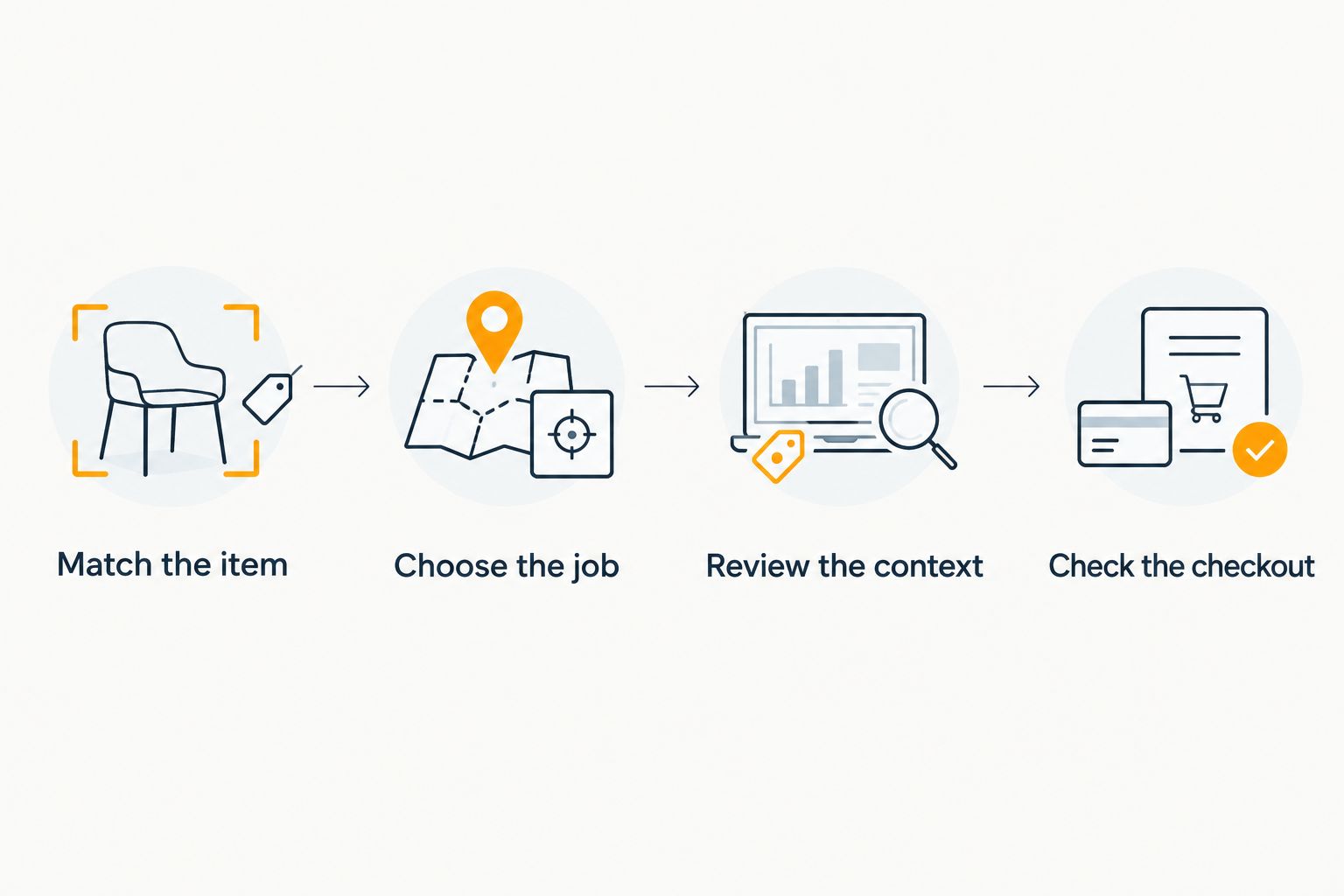
For your 2026 shopping list, use this sequence before treating an alert as a reason to purchase. The tracker should support a decision you have already defined, not create a new purchase just because a number changed.
Match the item
Start with 1 exact product listing. Check the model, size, color, package quantity, and condition against what you intended to buy. Keep those details in the saved item so a similar-looking offer does not become an accidental substitute.
When your list spans retailers, use the cross-store gift-list workflow to keep the shopping project together. A consolidated list and a historical chart solve different parts of the same decision.
Choose the job
Use a wishlist tracker for shared gift ideas and drop alerts. Use a dedicated history tracker to investigate the Amazon listing's past prices. Choose 2 tools only when you genuinely need both jobs; a second account or saved watch is not automatically useful.
Review the context
An alert says something changed. Before acting, check whether the item is still the one you want and whether historical context changes your view of the offer. Do not assume the word sale answers either question.
Check the checkout
Make 3 checks before paying: product match, seller and condition, and final checkout total. Shipping, taxes, and any applicable purchase conditions belong in the decision, even when the headline item price looks attractive.
What to check before trusting a browser workflow
Browser-based saving and historical price research are separate tasks. If you want to collect products while browsing, review the browser-extension saving workflow before choosing how to build your list.
For any extension you consider, read the current permissions and check the publisher. Install only what you need for the task. Do not assume that a browser tool's presence proves every product variation, seller offer, or checkout condition is being tracked.
Also separate the update schedule from the notification itself. A delivered alert does not establish when the retailer changed its price. For questions about that distinction, see how often wishlist apps update tracked prices.
Which Amazon price tracker should you choose?
Choose the wishlist-first option if your Amazon shopping is part of a broader gift list. It keeps the recipient's choices and the price-drop reminder in the same shopping workflow.
Choose Keepa if your main question is whether an Amazon listing's current price makes sense against its history. Choose CamelCamelCamel if a straightforward Amazon price watch is the task you want to complete.
For an undecided reader in 2026, start with the task you repeat most often. You can add historical research when you need it; you do not need a complicated monitoring setup for every possible purchase.
FAQ
What's the best Amazon price tracker for gift shopping?
LMK is the best fit in this comparison for cross-store gift wishlists with automatic price-drop alerts. Choose a dedicated Amazon history tool when your main need is researching past prices rather than organizing gifts.
Is Keepa better than CamelCamelCamel?
Keepa is the pick here for detailed Amazon price-history research; CamelCamelCamel is the pick for straightforward Amazon watches. Choose around the research task and the chart you find easier to interpret, not an assumed difference in alert speed.
Can an Amazon price tracker guarantee the lowest price?
No price tracker in this comparison should be treated as a guarantee of the lowest final purchase total. Check the exact product, seller, condition, and checkout before paying.
Does a price-drop alert mean I should buy immediately?
No. A price-drop alert is a reason to review the offer, not an instruction to purchase. Confirm that you still want the item and that the purchase conditions match your needs.
Do I need both a wishlist and a price-history tracker?
Use both only if you need shared gift organization and historical Amazon price research. A wishlist keeps choices together, while a history chart helps you evaluate an individual listing.
Will a price tracker show my exact checkout total?
Check the retailer's checkout for your final total. Do not assume a tracked item price includes every shipping charge, tax, or account-specific purchase condition.
One last thing
Decide what would make you skip the purchase before the alert arrives. Write down the required model, acceptable condition, and whether you actually need the item. A cheaper version of the wrong product is still the wrong purchase.