Why People Regret Cheap Purchases More Than Expensive Ones
Cheap purchases often cause lasting regret due to poor quality and repeat replacements; build smarter wishlists and track prices to avoid impulse buys.

There’s a strange kind of disappointment that comes from buying something cheap.
Not the harmless kind. Not the “well, it was only a few bucks” kind. The deeper one. The annoyance of replacing the same item twice. The feeling that you knew better, but clicked “Buy Now” anyway because the price looked too good to ignore.
Most people assume expensive purchases lead to regret. Bigger price tag, bigger risk. But in reality, cheap purchases often linger longer in your mind. They create tiny frustrations that stack up over time until the “deal” stops feeling like one.
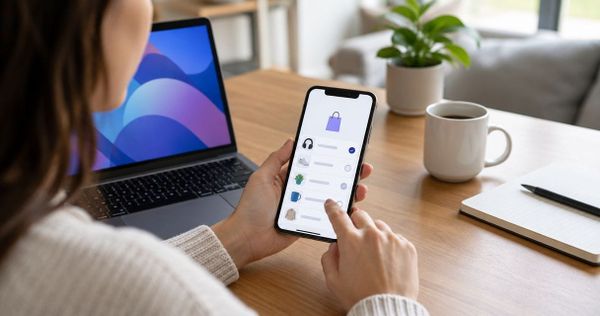
That’s partly why people are becoming more intentional about shopping. They’re building smarter wishlists, tracking prices instead of panic-buying, and waiting for the right version of something instead of settling for the cheapest one available. Tools like LMK.today are part of that shift because they make it easier to pause before buying and avoid the cycle of impulse purchases you regret later.
Cheap doesn’t always feel cheap at first
The tricky part is that low-cost purchases usually feel good in the moment.
You save money. You justify it quickly. The checkout feels painless.
Then the product arrives.
Maybe it works, technically. But it’s flimsy. Slow. Uncomfortable. Poorly made. Or maybe it just doesn’t fit the life you imagined for it. That cheap office chair becomes a back problem. The bargain headphones sound hollow after a week. The fast-fashion jacket loses shape before winter ends.
The regret isn’t just about quality. It’s about repetition.
Replacing bad purchases is exhausting. Financially and mentally.
That’s why experienced shoppers often spend more time researching before they buy. Many even use tools that help track prices across stores instead of rushing into the first discount they see. Waiting a few weeks for the right product at the right price usually feels better than buying the wrong thing immediately.
Expensive purchases force people to think harder
Oddly enough, expensive items often come with fewer regrets because people slow down before buying them.
They compare reviews. They ask friends. They open twelve tabs and overthink everything.
That process matters.
It creates intentionality.
When people spend more money, they tend to buy things they actually want instead of things that merely solve temporary anxiety. There’s a difference between “I need this now” and “I’ve thought about this for weeks.”
The second category usually ages better.
This is where creating a proper wishlist changes shopping behavior in subtle ways. Instead of impulse-buying random alternatives, people save the exact products they want and revisit them later. A tool like LMK.today Wishlists helps with this because it works across different stores instead of trapping you inside one retailer’s ecosystem.
That matters more than it sounds.
Most regret comes from compromise purchases, not dream purchases.
The hidden cost of “good enough”
There’s a phrase people use when buying cheaper items: “It’ll do.”
And sometimes that’s true.
But “good enough” has a sneaky habit of becoming expensive over time.
Cheap cookware warps. Cheap luggage breaks mid-trip. Cheap furniture starts wobbling six months later. Then you replace it, spend more overall, and realize the “premium” option would have cost less in the long run.
This doesn’t mean expensive automatically equals better. Plenty of overpriced products exist. Branding alone can inflate prices dramatically.
The real difference is durability and satisfaction.
A product that survives years of use creates almost no mental friction. You stop thinking about it. That’s usually the sign of a good purchase.
Ironically, regret tends to stick around most with items constantly reminding you they weren’t worth it.
Why online shopping makes this worse
Modern ecommerce is designed to encourage speed.
Flash sales. Countdown timers. “Only 2 left.” Constant urgency.
That environment pushes people toward emotional decisions instead of thoughtful ones. And emotional decisions often lean cheap because cheap feels safer in the moment.
But low-risk spending can quietly become high-volume spending.
Five mediocre purchases rarely feel as painful as one expensive purchase, even when the total cost is higher.
This is why more shoppers are relying on tools that separate discovery from buying. Instead of instantly checking out, they save items, compare them later, and wait for price drops. Using a price tracker app removes some of the pressure because you no longer feel forced to buy at the exact moment you see something.
You can just wait.
And waiting is surprisingly powerful.
The emotional side of buying better things

There’s also an emotional layer people don’t talk about enough.
A well-made product tends to earn affection over time.
Think about the items people genuinely love: a great jacket, a reliable backpack, headphones they use daily, cookware they’ve owned for years. Those purchases often become part of routines and memories. They age with you.
Cheap impulse buys rarely do that.
Most disappear into drawers, closets, or donation piles within months.
That’s one reason gift registries and curated wishlists have become more popular recently. Instead of receiving random filler gifts nobody really wanted, people now prefer sharing intentional lists filled with products they’ve carefully chosen.
For weddings, birthdays, or holidays, a free online gift registry helps avoid the awkward cycle of unwanted presents that eventually become clutter. People increasingly value usefulness over quantity.
And honestly, that feels healthier.
Convenience matters more than people admit
A lot of regret also comes from buying shortcuts that create more work later.
You buy the cheap version because it’s faster than researching alternatives. But then you spend hours troubleshooting, replacing, or complaining about it.
Convenience isn’t only about delivery speed anymore. It’s about reducing decision fatigue.
That’s part of why browser tools are exploding in popularity. A good shopping tool extension for Chrome lets people save products instantly while browsing instead of opening messy tabs or sending themselves links they’ll never revisit.
Tiny convenience upgrades change behavior.
When saving products becomes easy, impulse buying tends to decrease because people no longer fear “losing” an item if they don’t buy it immediately.
Smart shoppers are becoming slower shoppers
That’s probably the bigger trend underneath all of this.
People are getting tired of buying disposable things.
They want fewer regrets, fewer replacements, and fewer random purchases that looked exciting for exactly three minutes.
The interesting part is that smarter shopping rarely means spending recklessly. It usually means buying less often and choosing more carefully.
Sometimes the best financial decision is spending more once instead of spending less repeatedly.
And sometimes the smartest thing you can do is simply wait before buying anything at all.
That pause between wanting something and purchasing it is where most good decisions happen.