
Why Most People Miss the Best Online Deals
Why Most People Miss the Best Online Deals: Learn why shoppers lose savings to timing and scattered tabs, and how a simple wishlist and price-tracking system.
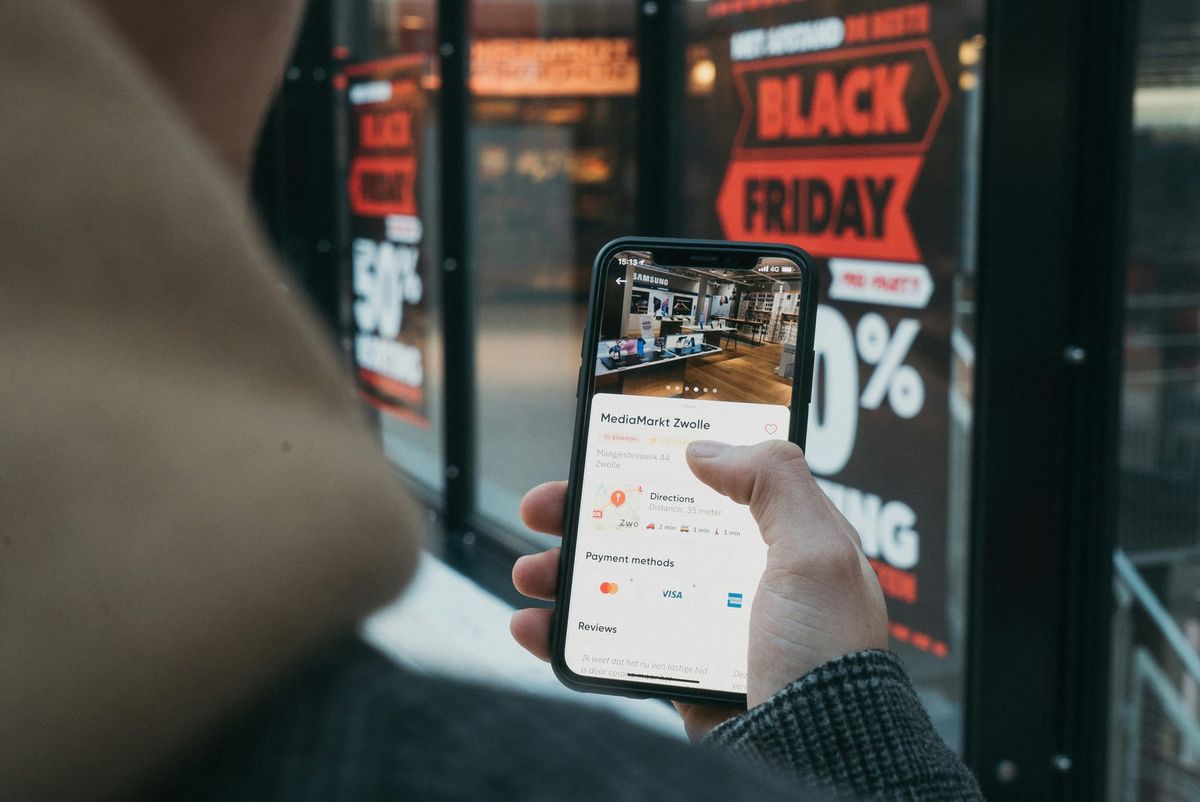
There’s a quiet frustration that almost every online shopper has felt at least once.
You find something you like. You hesitate. Maybe you open a few tabs, compare a couple of prices, tell yourself you’ll come back later. And then, when you finally do, the price has dropped… or worse, the deal is gone.
It’s not that great deals are rare. It’s that most people aren’t set up to catch them.
The internet rewards timing, awareness, and a bit of system. Without those, even the smartest shoppers end up paying more than they need to.
Let’s unpack why that happens and how to fix it without turning shopping into a full-time job.
The Myth of “I’ll Just Check Again Later”
Most people rely on memory when shopping online. That’s the first mistake.
You see a product, you like it, and you assume you’ll remember to check if it goes on sale. But online prices move constantly. Retailers adjust pricing based on demand, inventory, and even time of day.
The result is predictable. You either forget, or you check too late.
This is exactly where a simple system changes everything. Instead of relying on memory, tools that let you create an online wishlist across different stores give you a central place to track what you care about.
Once it’s saved, you’re no longer chasing deals. You’re waiting for them to come to you.
Too Many Tabs, Not Enough Clarity
If your browser looks like a cluttered desk, you’re not alone.
People often compare prices by opening multiple tabs, jumping between stores, and trying to mentally track which one was cheaper. It works… until it doesn’t.
Tabs get closed. Prices change. You lose track.
What’s missing isn’t effort. It’s structure.
Using a tool that lets you track prices across stores simplifies everything. Instead of scattered tabs, you get a clear view of where an item is available and how its price changes over time.
It’s less about working harder and more about removing friction.
Deals Don’t Wait for You
Here’s the uncomfortable truth. The best deals are often short-lived.
Flash sales, limited-time discounts, seasonal promos. They don’t stick around long enough for casual browsing habits.
This is why people feel like they’re always just missing out.
The fix is not to check more often. That quickly becomes exhausting. The smarter approach is automation.
A price tracker app that alerts you when something drops solves this quietly in the background. Instead of refreshing pages, you get notified at the right moment.
If you’ve ever wished shopping could be more passive, this is it.
You can explore how deal discovery works in a more streamlined way through curated pages like daily deals, where timing is already working in your favor.
The Hidden Cost of “I’ll Just Buy It Now”

Impulse buying doesn’t always feel impulsive.
Sometimes it looks like practicality. You need something, the price seems reasonable, and you don’t want to risk it selling out.
But more often than not, that same item goes on sale days or weeks later.
The issue isn’t urgency. It’s lack of visibility.
When you use a price tracker or a system that remembers items for you, you gain context. You start to see patterns. You recognize when a price is actually good versus just acceptable.
Even something as simple as saving items to a central place like your personal dashboard creates a pause. And that pause is usually where better decisions happen.
Group Shopping Is Surprisingly Inefficient
Think about gift planning.
Birthdays, holidays, weddings. They often involve group chats, shared spreadsheets, or last-minute guessing. It’s chaotic, and it leads to duplicate gifts or missed opportunities to buy items at better prices.
A free online gift registry changes that dynamic completely.
Instead of scattered communication, everything lives in one place. People can see what’s been added, what’s been purchased, and what still needs attention.
If you’re planning something like a holiday gift registry, being able to find and manage wishlists easily removes a surprising amount of stress.
And more importantly, it makes it easier to time purchases around actual deals instead of rushing.
Most People Don’t Use the Right Tools
There’s a subtle difference between browsing and shopping smart.
Browsing is reactive. You see what’s available and decide in the moment.
Smart shopping is proactive. You define what you want, track it, and wait for the right time.
That shift is where tools matter.
The LMK.today Chrome extension removes the friction of saving items. Instead of copying links or bookmarking pages you’ll never revisit, you can capture products instantly and organize them without thinking twice.
It sounds small, but it changes behavior. And behavior is what ultimately determines whether you catch deals or miss them.
So Why Do People Keep Missing Out?

It’s not because deals are hidden.
It’s because most shopping habits are built around convenience, not strategy.
People rely on memory instead of systems. They react instead of plan. They check manually instead of automating.
None of this is wrong. It’s just inefficient in a world where prices move fast and attention is limited.
The good news is that fixing it doesn’t require more effort. Just a better setup.
A Smarter Way to Shop Without Overthinking It
If there’s one idea worth keeping, it’s this.
You don’t need to hunt for deals if you’ve already decided what you want.
Once that’s clear, everything else becomes easier. You save items, track prices, and let timing work for you instead of against you.
Platforms like LMK.today fit naturally into that flow. Not as something you have to learn, but as something that quietly supports how you already shop.
Over time, the difference adds up. Fewer missed discounts. Less second-guessing. More confidence in what you’re buying and when you’re buying it.
And maybe the best part is this.
You stop feeling like you just missed a great deal… because you usually won’t.