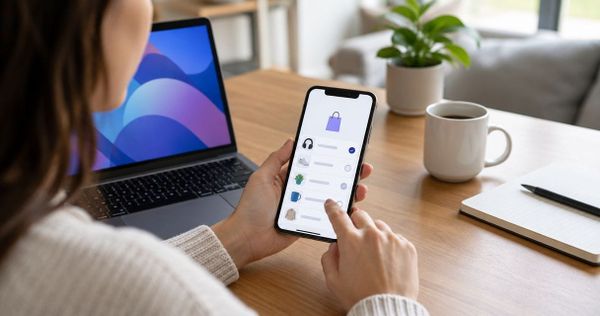
Why More Shoppers Are Prioritizing Quality Over Quantity
Why more shoppers are prioritizing quality over quantity: intentional buying, research, and price tracking to avoid waste and buyer’s remorse while choosing.
There was a time when online shopping felt almost competitive.
People bragged about giant hauls, fast fashion carts, and getting “more for less.” The internet rewarded excess. More packages at the door. More tabs open. More impulse purchases at 1 AM.
Now, something feels different.
Shoppers are slowing down a little. They’re asking better questions before buying. Not just “Is this cheap?” but “Will I actually use this?” or “Do I want this six months from now?”
The shift is subtle, but it’s everywhere.
From curated wardrobes to carefully built wishlists, more people are prioritizing quality over quantity. Not because minimalism suddenly became trendy again, but because buying smarter feels better than buying more.
And honestly, after years of endless scrolling and checkout fatigue, it makes sense.
Cheap Isn’t Always Affordable
One of the biggest reasons people are changing how they shop is simple: replacing bad purchases gets expensive.
A low-cost item that breaks quickly, feels disappointing, or ends up forgotten in a drawer usually costs more in the long run. Not just financially, but mentally too. Nobody enjoys buyer’s remorse.
That’s why shoppers are becoming more intentional about what they save, compare, and eventually buy.
Instead of panic-buying during sales, people are spending more time researching products, reading reviews, and tracking prices across stores before committing. Tools like LMK.today Products fit naturally into this shift because they help people organize the things they genuinely want instead of impulsively collecting random deals.
It’s less about resisting shopping altogether and more about shopping with a little more clarity.
The Internet Made Us Better Researchers
Ironically, the same internet that encouraged overconsumption also gave shoppers better tools to avoid it.
People now compare materials, watch long-term reviews, browse Reddit threads, and save products for weeks before buying. The modern shopper behaves less like a casual browser and more like someone building a shortlist.
Wishlists have quietly become part of this behavior too.
Not the old-fashioned kind that disappears after the holidays, but living collections of products people actually care about. A good wishlist helps separate “I want this right now” from “I still want this after thinking about it.”
That’s partly why platforms that let users create and discover wishlists across different stores are becoming more useful. Shoppers don’t want ten browser tabs and screenshots buried in group chats anymore. They want a cleaner way to save meaningful purchases without losing track of them.
The result is surprisingly practical: fewer random purchases and more satisfaction with the things people eventually buy.
Price Tracking Changed the Psychology of Shopping
A lot of impulse shopping comes from urgency.
“Limited time offer.”
“Only 2 left.”
“Sale ends tonight.”
Retailers know pressure works. But price tracking tools have changed that dynamic a bit.
When shoppers can track prices across stores and get notified about price drops automatically, there’s less fear around missing out. You no longer need to refresh tabs every day hoping a product goes on sale.
That changes behavior.
People become more patient. More selective. They wait for the right price instead of settling for the fastest purchase.
A solid price tracker app doesn’t just save money. It reduces decision fatigue. That’s a big reason browser tools like the LMK.today Chrome Extension are gaining attention among savvy shoppers who want a smoother way to save products and monitor pricing without turning shopping into a full-time job.
Convenience matters, but thoughtful convenience matters even more.
People Want Fewer Things That Mean More

You can see this shift clearly in gift-giving too.
Registries used to be mostly associated with weddings. Now they’re everywhere: birthdays, baby showers, holidays, graduations, housewarmings, even creator recommendation lists.
The common thread is curation.
Instead of receiving random gifts that may never get used, people are creating intentional collections filled with products they genuinely need or love. A free online gift registry solves a surprisingly modern problem: too many options and too little relevance.
That’s why the idea of a holiday gift registry feels more appealing now than it did years ago. It reduces waste, avoids awkward duplicates, and makes gifting feel more personal without becoming complicated.
Platforms like LMK.today Registries and Wishlists work well here because they aren’t tied to a single store. People can save products from different retailers into one place, which feels far more realistic for how people actually shop online today.
Nobody shops from just one website anymore.
The Rise of “Quiet Flex” Shopping
For a while, internet culture celebrated volume. Massive hauls got views. Quantity looked impressive.
Now the flex is different.
People admire thoughtful purchases more than endless consumption. A well-made jacket worn for years feels smarter than buying five trendy ones that fall apart after a season. The same idea applies to tech, furniture, skincare, kitchen gear, basically everything.
Even influencers are shifting.
The creators people trust most today often recommend fewer products overall. They explain why something is worth buying, how long they’ve used it, and whether it genuinely improves daily life.
That’s also why curated recommendation tools and shopping collections matter more now. Shoppers want context. They want recommendations from real people, not endless algorithmic noise.
Browsing through curated finds from different merchants and creators feels closer to getting advice from someone whose taste you trust rather than being aggressively sold to.
There’s a big difference between discovery and pressure.
Deals Still Matter. Just Differently.
People absolutely still love deals.
That part hasn’t changed.
The difference is that shoppers are becoming more strategic about them. Instead of buying something because it’s discounted, they’re buying things they already planned to purchase once the price becomes reasonable.
That’s a healthier relationship with shopping overall.
A good deal on a low-quality product is still a bad purchase. A meaningful discount on something valuable is where shoppers feel genuinely satisfied.
This is why curated deal pages and tracking tools are becoming more useful than random flash sales. A page like LMK.today Deals works best when shoppers already know what they’re looking for and simply want smarter timing.
The goal isn’t to buy more.
It’s to buy better.
Shopping Is Becoming More Intentional
Maybe that’s the real story underneath all of this.
People aren’t necessarily shopping less. They’re shopping more consciously.
They’re saving products instead of impulse-buying them.
Tracking prices instead of panic-checking out.
Building curated wishlists instead of cluttered carts.
Choosing versatile, long-lasting items over disposable trends.
Quality over quantity sounds simple, but it reflects a broader shift in how people value their money, time, and attention.
And honestly, after years of chaotic online shopping culture, intentional buying feels refreshing.
Not restrictive.
Not performative.
Just smarter.