
Why More Consumers Are Creating Shopping Lists Before Browsing
Shopping lists before browsing help shoppers avoid impulse buys, compare options more efficiently, and save money by keeping purchases focused.
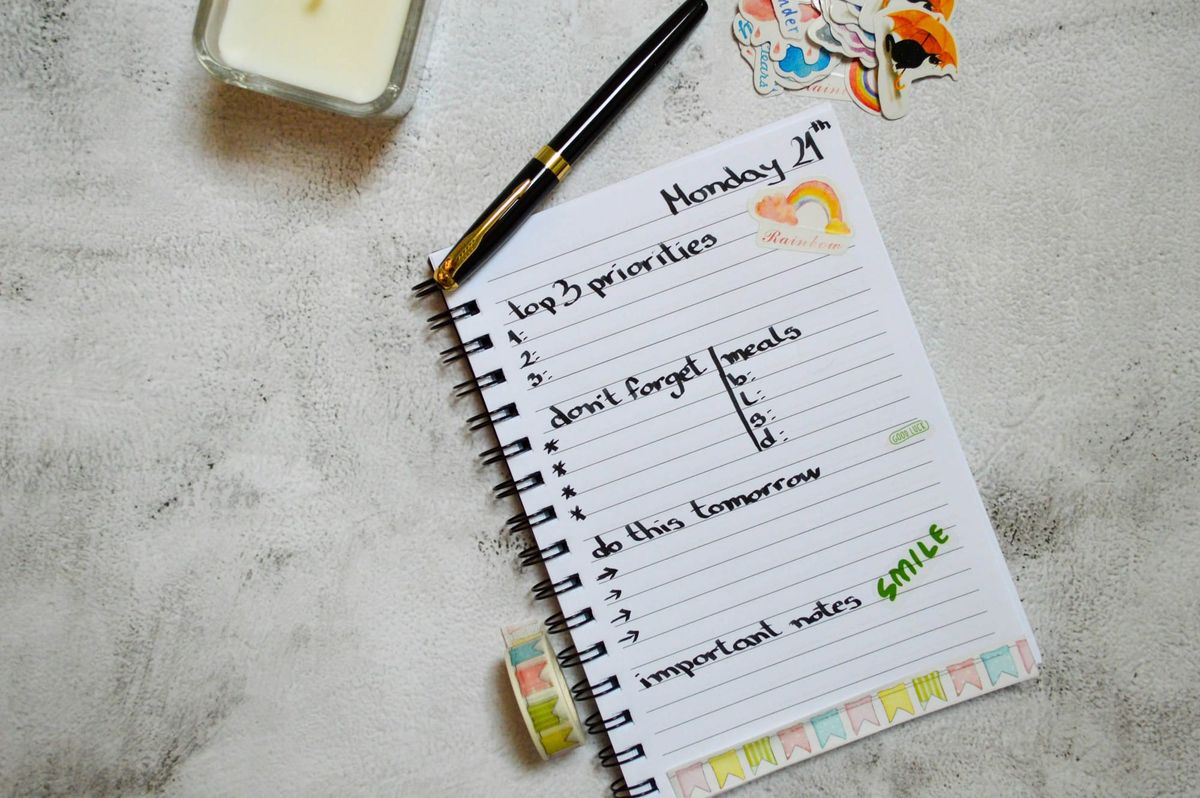
There was a time when online shopping started with a search bar.
You'd open your favorite store, type in something vaguely related to what you needed, and then spend the next hour bouncing between product pages, reviews, recommendations, and "customers also bought" suggestions.
Today, more shoppers are doing the exact opposite.
Instead of browsing first and deciding later, they're creating shopping lists before they even visit a store.
At first glance, it seems like a small habit change. In reality, it's becoming one of the smartest ways to shop online. As product choices continue to grow and retailers compete harder for attention, consumers are discovering that a simple list helps them save money, avoid impulse purchases, and make better buying decisions.
The shift is especially noticeable during holiday shopping seasons, major sales events, and life milestones where people are managing multiple purchases at once.
The End of Endless Browsing
Online shopping has become incredibly convenient. It's also become overwhelming.
A quick search for a coffee maker can produce hundreds of options. Looking for holiday gifts often leads to dozens of open tabs and forgotten ideas. Even something as simple as buying a new backpack can turn into a two-hour research session.
That's one reason articles like How to Resist Impulse Buying have become increasingly relevant. Consumers are realizing that shopping without a plan often leads to buying things they never intended to purchase.
A shopping list changes the experience completely.
Instead of asking, "What should I buy?" shoppers begin with, "What do I actually need?"
That subtle difference creates focus. It reduces distractions and makes it easier to compare products objectively.
For many people, creating a list has become the digital equivalent of walking into a grocery store with a plan instead of wandering every aisle.
While building those lists, shoppers often use tools like LMK.today to save products from different retailers into a single place rather than keeping dozens of tabs open.
Shopping Lists Are Becoming Personal Buying Strategies

The modern shopping list isn't just a reminder anymore.
It's often a living collection of products that someone is considering, researching, comparing, or waiting to buy.
Many consumers now create wishlists months before making a purchase. They save products, track reviews, compare alternatives, and monitor pricing trends before deciding.
This behavior aligns closely with the rise of the price tracker app category. Instead of rushing into purchases, shoppers increasingly prefer to track prices across stores and wait for the right opportunity.
The popularity of price drop alerts reflects this change. Consumers want information before they spend, not after.
A shopping list becomes a decision-making tool rather than a simple collection of products.
Platforms like LMK.today Deals support this approach by helping shoppers monitor items they've already identified instead of forcing them to search repeatedly.
The Psychology Behind Planned Shopping
There's another reason lists are becoming more common: they reduce decision fatigue.
Every product page presents new choices.
Colors. Sizes. Models. Upgrades. Bundles.
Without a clear plan, those decisions pile up quickly.
Research on consumer behavior consistently shows that too many options can make decision-making harder, not easier. People often abandon purchases altogether or buy something they later regret.
Creating a shopping list before browsing simplifies the process.
Instead of evaluating everything available, consumers only evaluate products that fit their actual needs.
That's one reason wishlist-focused shopping has become so popular. As discussed in What Is a Wishlist? Meaning, Uses, and Benefits Explained, wishlists help shoppers organize future purchases while reducing impulsive spending.
The result is less stress and often better buying outcomes.
Holiday Shopping Is Driving the Trend

Few shopping periods highlight the benefits of planning more than the holiday season.
During Black Friday, Cyber Monday, Christmas shopping, and year-end sales, consumers are bombarded with promotions.
Without a list, it's easy to forget gifts, overspend, or buy items simply because they're discounted.
A growing number of shoppers now create a holiday gift registry, maintain gift lists throughout the year, or use a free online gift registry to stay organized before peak shopping periods arrive.
Instead of scrambling in December, they already know what they want to buy and for whom.
This approach makes it easier to compare discounts when sales arrive.
Many shoppers browse public collections and gift inspiration through LMK.today Wishlists long before holiday shopping begins, helping them build thoughtful gift plans rather than relying on last-minute purchases.
Registries Are Expanding Beyond Weddings and Baby Showers
Another reason shopping lists are growing in popularity is that registries have evolved.
Traditionally, registries were reserved for weddings or baby showers. Today, people create them for birthdays, graduations, housewarmings, holidays, and even personal goal tracking.
A modern create online wishlist experience often serves multiple purposes:
- Gift planning
- Personal shopping organization
- Event registries
- Price tracking
- Influencer recommendations
- Family wishlists
Articles like Understanding Gift Registry Meaning for Special Occasions show how digital registries have become much more flexible than traditional store-based systems.
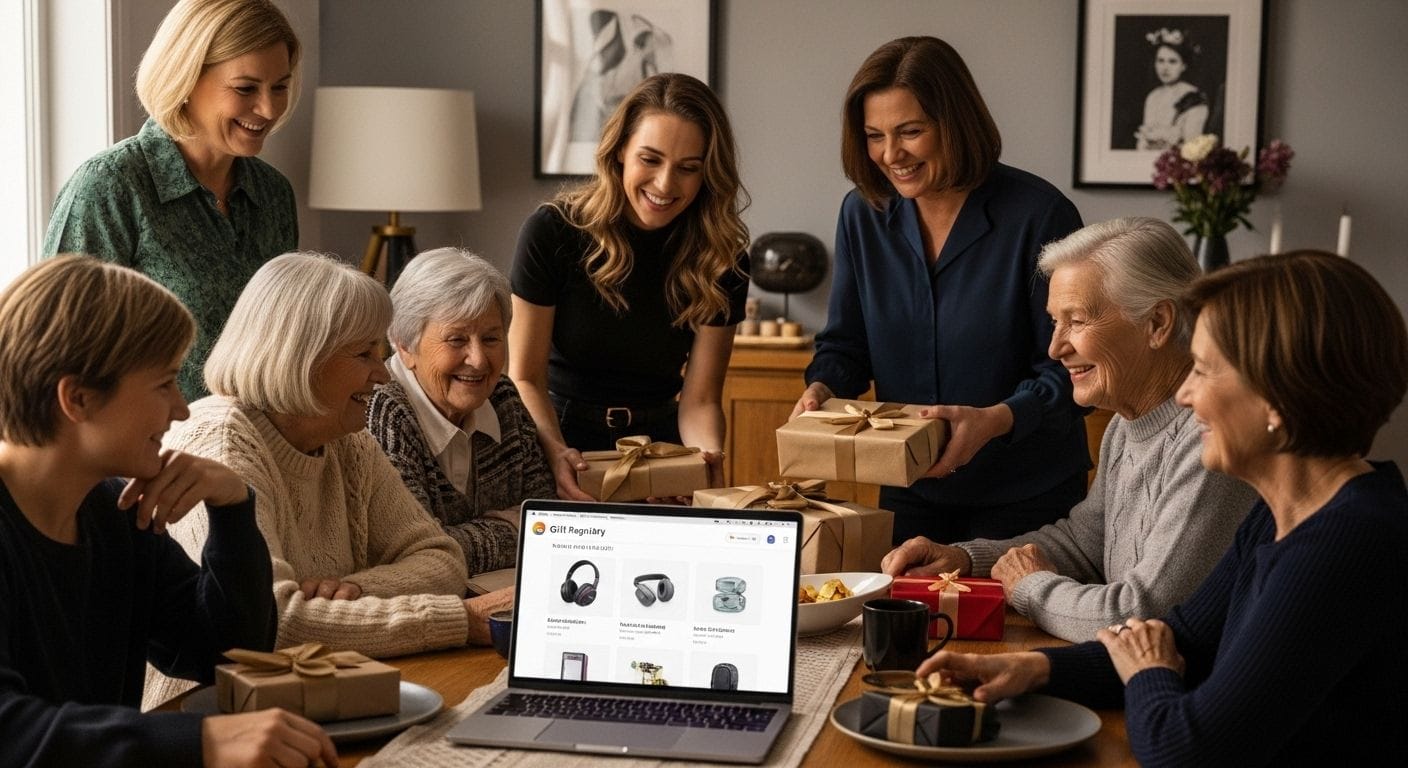
Consumers increasingly want one list that works everywhere instead of maintaining separate lists across multiple retailers.
That's where tools like LMK.today Products offer an advantage by allowing users to save items from virtually any ecommerce store into a single collection.
Creators and Influencers Are Changing Shopping Behavior
Shopping lists aren't only for buyers anymore.
Content creators, influencers, and product curators have helped normalize the idea of maintaining public collections of favorite products.
Instead of constantly sharing affiliate links, many creators now organize recommendations into curated wishlists that followers can browse whenever they want.
This trend is closely tied to the growing popularity of product curation. As explored in What Is Product Curation? A Simple Understanding, consumers increasingly value organized recommendations over endless product catalogs.
A well-organized shopping list acts as a trusted filter.
Rather than sorting through thousands of options, shoppers can start with recommendations from people they already follow.
For creators who regularly share products, LMK.today Merchants and public wishlist features make it easier to build those curated collections in a way that's easy for audiences to browse.
Why Browser Extensions Are Fueling the Trend
Part of the reason shopping lists have become so common is that creating them no longer requires effort.
In the past, adding products to a list often meant copying URLs, taking screenshots, or manually organizing bookmarks.
Today, browser tools can handle that work instantly.
The rise of the best shopping tool extension chrome category has made it possible to save products directly while browsing, turning spontaneous discovery into organized planning.
Instead of buying immediately, shoppers can save an item with one click and revisit it later.
This small change encourages more thoughtful purchasing decisions.
The LMK.today Chrome Extension follows this same philosophy. It allows users to save products as they browse, helping them build organized wishlists without interrupting their shopping experience.
More importantly, it removes the pressure to buy immediately.
Shopping Is Becoming More Intentional
The growing popularity of shopping lists isn't really about lists.
It's about control.
Consumers are becoming more deliberate about how they spend money online. They want fewer impulse purchases, better deals, and more confidence in the products they choose.
Creating a shopping list before browsing helps accomplish all three.
It turns shopping from a reactive activity into a planned one.
Whether someone is building a holiday gift registry, using a price tracker app to track prices across stores, creating a free online gift registry for an upcoming event, or simply organizing future purchases, the goal remains the same: make smarter decisions with less effort.
As ecommerce continues to evolve, the most effective shoppers may not be the ones who browse the most.
They'll be the ones who know exactly what they're looking for before they start.