The Smartest Things to Buy Before Prices Increase Seasonally
Seasonal price increases affect electronics, travel, and outdoor gear—learn what to buy early and how wishlists and price tracking save money and time.

Ever felt that kind of regret that comes from checking the price of something a week too late?
Maybe it’s airfare that suddenly doubled overnight. Maybe it’s a gaming console that quietly crept up before the holidays. Or maybe it’s patio furniture you swore you’d buy “later,” only to find out everyone else had the same idea.
Seasonal pricing isn’t random. Retailers know exactly when demand spikes, and prices tend to follow. The people who save the most money usually aren’t coupon experts. They’re just early.
That’s why some of the smartest shopping decisions happen months before people actually need the item.
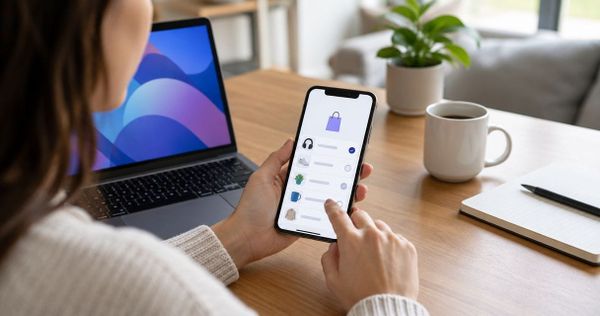
And honestly, keeping track of all of it manually is exhausting. Between tabs, wishlists, screenshots, and “I’ll remember this later” bookmarks, most people end up losing track anyway. Tools like LMK.today quietly solve that problem by letting you save items from almost any store, track prices across stores, and organize everything in one place without turning shopping into a part-time job.
Electronics Usually Get More Expensive Right Before Everyone Wants Them
This one happens every year.
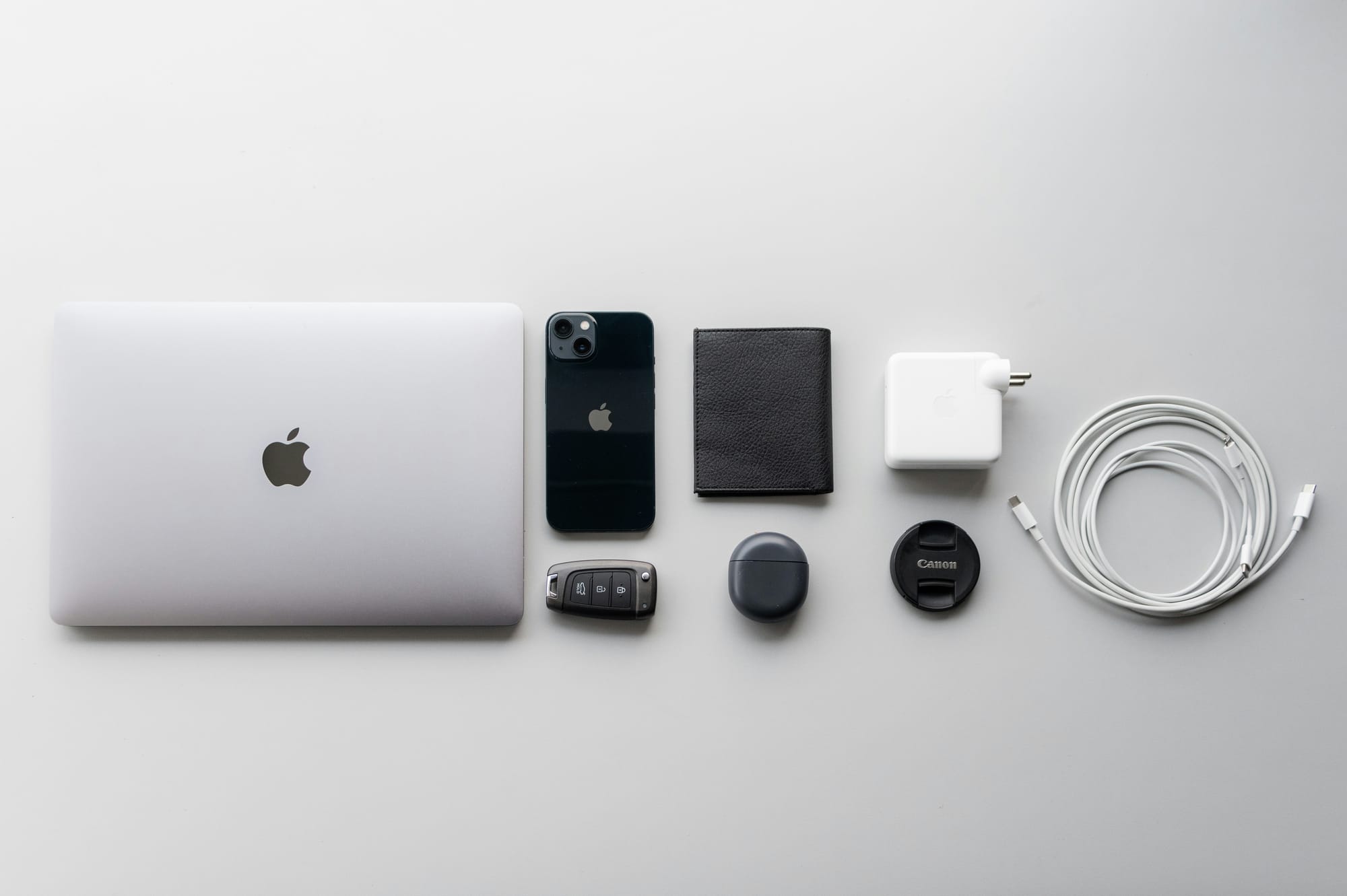
Laptops, tablets, gaming accessories, headphones, even monitors tend to climb in price around back-to-school season and again before Black Friday inventory starts tightening up. Ironically, the best time to buy some electronics is when nobody’s talking about them.
Spring and early summer are usually quieter. Retailers clear older inventory before new releases land, which creates small windows where prices dip lower than expected.
The tricky part is timing. Most people don’t want to constantly refresh product pages hoping for a price drop.
That’s where using a proper price tracker app becomes surprisingly useful. Instead of monitoring ten different sites manually, you can save products and let the price tracking happen in the background. It’s less stressful, and honestly, it prevents impulse purchases because you stop panic-buying during hype cycles.
If you’re shopping for bigger purchases like laptops or cameras, it also helps to compare merchants instead of sticking to one store out of habit. The difference can be larger than people expect, especially once seasonal demand kicks in. Browsing through different retailers on the merchant directory makes that process much easier without opening fifteen tabs.
Holiday Decor Is Weirdly Cheapest When It Feels Out of Season

Nobody wants to think about Christmas in February.
Which is exactly why February is often the smartest time to buy holiday items.
Decor, artificial trees, wrapping supplies, hosting essentials, and seasonal kitchenware all tend to collapse in price immediately after the holidays end. Retailers want the inventory gone fast. By October, those same products quietly return at full price with slightly different packaging.
This applies to more than decorations too. Gift-related shopping becomes dramatically more expensive the closer people get to the holidays. That includes registry gifts, personalized items, and trending products creators start sharing online.
If you’re someone who plans ahead for birthdays, weddings, or holiday gifting, creating a free online gift registry early can save a surprising amount of money over time. Not because registries magically create discounts, but because they let you track and organize purchases before peak pricing arrives.
There’s also something nice about not scrambling in December with twenty browser tabs open and no idea where you saw that one perfect gift.
Outdoor Furniture Has a Very Predictable Price Pattern
Patio sets, grills, outdoor lighting, and gardening tools all follow the same seasonal rhythm.
Prices rise sharply right before summer starts. Then stores gradually discount everything once people stop shopping for backyard upgrades.
Late August into early fall is usually the sweet spot.
The funny thing is people often buy outdoor furniture emotionally. One warm weekend arrives, and suddenly everyone wants to redesign their patio at the same time. Retailers know this.
Buying ahead changes the equation completely.
A lot of savvy shoppers now build organized wishlists months before they purchase anything. Instead of impulse-buying the first thing that looks decent, they slowly compare prices, save options, and wait for timing to work in their favor. Using a tool to create an online wishlist makes that process feel much less chaotic, especially if you’re planning around a larger event like a housewarming or summer gathering.
And unlike traditional wishlists that only work on one platform, LMK.today works across different ecommerce stores, which is honestly how most people shop now anyway.
Travel Gear Quietly Surges Before Vacation Seasons

Luggage is one of those purchases people delay until the last possible minute.
Then suddenly it’s June, flights are booked, and every decent carry-on is either expensive or sold out.
Travel accessories follow the same pattern. Portable chargers, packing cubes, backpacks, adapters, and noise-canceling headphones all tend to spike right before major travel periods.
January and early spring are often better buying windows because demand softens after the holidays.
This is also where browser tools become genuinely helpful instead of gimmicky. A good shopping extension removes friction from saving products while you browse normally. The LMK.today Chrome extension lets you save products instantly instead of building random bookmark folders you’ll never revisit.
Which, realistically, is what most people are doing now.
A proper wishlist system also helps when multiple people are involved. Family vacations, weddings, baby showers, or group gifting get messy fast when everyone is sharing links through chat apps.
A centralized holiday gift registry or collaborative wishlist cuts down on duplicate purchases and forgotten ideas almost immediately.
Fitness Equipment Gets Expensive Exactly When Motivation Peaks

Every January, home fitness equipment suddenly becomes premium-priced.
Treadmills, adjustable dumbbells, yoga gear, and recovery tools all surge when New Year motivation arrives. The same thing happens right before summer.
The better buying window is usually the opposite season.
Late fall tends to bring quieter pricing on fitness products because demand slows down. Retailers become more competitive again.
What’s interesting is how much better shopping decisions become when there’s less urgency attached to them. People compare more carefully. They buy fewer unnecessary upgrades. They actually wait for meaningful discounts instead of marketing countdown timers.
That’s probably the biggest advantage of using a system that helps track prices across stores. It changes shopping from reactive to intentional.
You stop chasing “limited-time deals” and start noticing actual value.
The Best Seasonal Shopping Strategy Is Usually Boring
The internet loves turning shopping into a competitive sport.
But most smart buying habits are pretty unexciting.
Planning ahead.
Saving items early.
Tracking prices patiently.
Buying before demand spikes.
Ignoring artificial urgency.
That’s really it.
The people who consistently spend less usually aren’t finding secret coupons hidden somewhere online. They’re just paying attention to timing and staying organized enough to act before everyone else does.
And organization matters more now because shopping happens everywhere. One product is on TikTok, another is on a brand website, another is sitting in a forgotten tab from three weeks ago.
Using something like LMK.today simply keeps all of that manageable. You can build wishlists from different stores, monitor pricing without obsessing over it, and keep gift planning from turning into digital clutter.
Which makes seasonal shopping feel less reactive and a lot more intentional.
And honestly, that’s probably the smartest thing you can buy into before prices rise again.