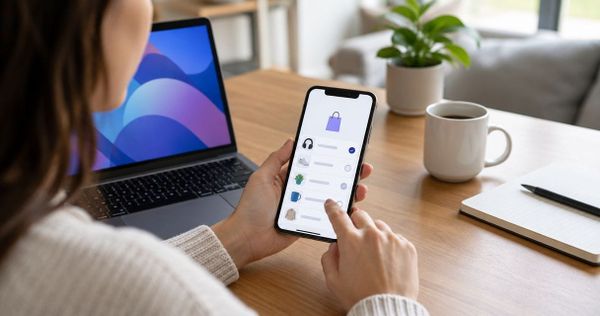
The Smart Shopper’s Guide to Buying Things You’ll Actually Use
Smart shopping: save items, track prices, and organize wishes to avoid impulse buys and keep purchases you truly use.

What if the biggest reason you regret your purchases isn’t because you spent too much, but because you bought things for a version of yourself that doesn’t actually exist?
The internet has made shopping dangerously easy. You see something once, maybe twice, and suddenly it feels essential. A productivity gadget promises to fix your routine. A trendy kitchen tool convinces you you’ll start cooking more. A sale timer quietly pressures you into checking out before you’ve even thought things through.
Then a few weeks later, the excitement disappears and the item becomes part of the background. Another unopened box. Another tab you forgot about. Another purchase that made sense for five minutes.
Most people are not terrible with money. They’re just shopping in environments designed to make every decision feel urgent.
Smart shopping starts when you slow that process down.
The people who consistently buy things they genuinely use usually aren’t more disciplined than everyone else. They just have better systems. They save things instead of impulse-buying them. They track prices instead of panic-checking out. They organize ideas before spending money. And interestingly, they tend to buy fewer things overall, while liking more of what they own.
That shift changes everything.
Stop Shopping Like Every Purchase Is Urgent

Modern ecommerce is designed to create pressure.
Limited-time deals. Countdown timers. “Only 2 left.” Flash sales that somehow happen every week.
The result is that people buy things before they’ve had enough time to ask a very simple question: Will I still want this next month?
One of the easiest ways to shop smarter is to create distance between interest and purchase.
Instead of immediately checking out, save items somewhere intentional. A proper wishlist works better than screenshots, bookmarks, or random notes because it turns impulsive browsing into organized consideration.
That’s part of why tools like LMK.today feel useful rather than gimmicky. You can create an online wishlist from almost any store, keep everything in one place, and come back later with a clearer head. The extra time filters out a surprising amount of unnecessary spending.
A good rule: if you forget about the item after a week, you probably never needed it.
If you keep thinking about it, that’s worth paying attention to.
For readers trying to organize gift ideas ahead of birthdays or holidays, this also works well as a lightweight holiday gift registry instead of managing messy group chats or scattered links.
The Best Purchases Usually Solve Recurring Problems

A lot of bad purchases come from buying for entertainment instead of utility.
The smartest shoppers tend to notice friction in their routines first.
Maybe your mornings are chaotic because your coffee setup is annoying. Maybe your backpack hurts because you’ve been using a cheap one for years. Maybe you keep replacing low-quality basics instead of buying one durable version.
Useful purchases often feel boring at first glance. But they quietly improve your life every single day.
That’s a better metric than novelty.
Before buying something, try asking:
- What recurring problem does this solve?
- Will I use this weekly?
- Does this remove effort, save time, or reduce stress?
- Am I buying this because it fits my life, or because it looked good in a video?
The answers are usually pretty revealing.
This mindset also changes how you discover products. Instead of endlessly browsing marketplaces, it helps to compare stores, track prices across stores, and wait for the right moment instead of panic-buying during hype cycles.
That’s where a price tracker app becomes genuinely practical. Price tracking means you don’t have to refresh tabs every day or wonder whether a sale is actually good. You simply save the item and let the alert come to you when the price drops.
It’s a small shift, but it removes a lot of low-level shopping anxiety.
Your Wishlist Should Be More Honest Than Aspirational
Most wishlists are overly optimistic.
People save cocktail sets while barely hosting guests. They save expensive fitness equipment they won’t touch after February. They build fantasy versions of themselves through products.
A useful wishlist reflects your real habits.
That doesn’t mean you can’t want nice things. It just means your list should support your actual lifestyle instead of your imagined one.
A surprisingly effective habit is keeping different types of wishlists:
- One for essentials you’ll realistically buy soon
- One for long-term upgrades worth saving for
- One for gifts and registry planning
- One for “maybe someday” items that don’t need immediate attention
Organizing things this way reduces impulse buying because not every saved item feels equally urgent.
For people planning weddings, birthdays, or baby showers, using a free online gift registry also avoids the awkwardness of sending spreadsheets or manually answering “what do you want?” messages twenty times.
And unlike traditional registries tied to one retailer, flexible wishlists are better because real people shop across multiple stores now anyway.
Convenience Changes Behavior More Than Motivation
Here’s something people underestimate: the easier a system is to use, the more likely you are to stick with it.
That applies to budgeting, fitness, productivity, and definitely shopping.
If saving items feels annoying, you’ll stop doing it. If comparing prices takes too long, you’ll buy impulsively instead. Convenience shapes behavior.
This is why browser tools matter more than people think.
A good shopping extension removes friction from the process. You see something interesting, click once, save it, move on. No copying links into notes apps. No forgotten tabs.
The best shopping tool extension chrome users tend to keep installed are the ones that quietly simplify the experience instead of trying to overwhelm you with coupons and popups.
That distinction matters.
There’s a difference between a tool that helps you shop smarter and one that just pushes you to buy more things faster.
Smart Shoppers Know Timing Matters

One underrated shopping skill is patience.
Not every purchase needs to happen immediately. In fact, some of the best savings come from simply waiting.
Retail cycles are predictable once you notice them:
- Tech products drop after newer versions launch
- Seasonal items get discounted aggressively after peak demand
- Holiday pricing often fluctuates weeks before major sales events
- Some “limited-time” offers quietly return every month
People who track prices instead of reacting emotionally tend to spend less and regret fewer purchases.
This becomes especially useful during Black Friday, holiday shopping season, or major gifting periods when it’s easy to overspend in a panic.
Keeping a centralized wishlist and using tools that track prices across stores creates a calmer way to shop. You stop relying on memory and urgency. The system does the monitoring for you.
That’s a much better experience than opening twelve tabs every morning hoping your headphones finally dropped by 15%.
The Internet Makes It Easy to Buy. It Should Also Help You Decide.
Online shopping solved convenience years ago. The real challenge now is discernment.
There are infinite recommendations, endless reviews, and enough targeted ads to convince you that every product will “change your life.” Most won’t.
The goal isn’t to become anti-shopping. Buying useful, well-made things can genuinely improve your day-to-day life. The trick is learning how to separate temporary excitement from lasting value.
Usually, the smartest purchases are the quiet ones.
The backpack you use every day for five years.
The kitchen tool that actually saves time.
The gift registry that prevents duplicate presents and awkward guessing.
The wishlist that helps you pause before spending.
The price alert that saves you from paying full price out of impatience.
Those things rarely feel dramatic in the moment. But over time, they add up to a more intentional relationship with money and consumption.
And honestly, that’s probably the real flex now.