
The New Rules of Smart Shopping in the Age of Endless Choices
Smart shopping in the age of endless choices helps you save items, track prices, and avoid impulse buys so decisions feel calmer and more organized.
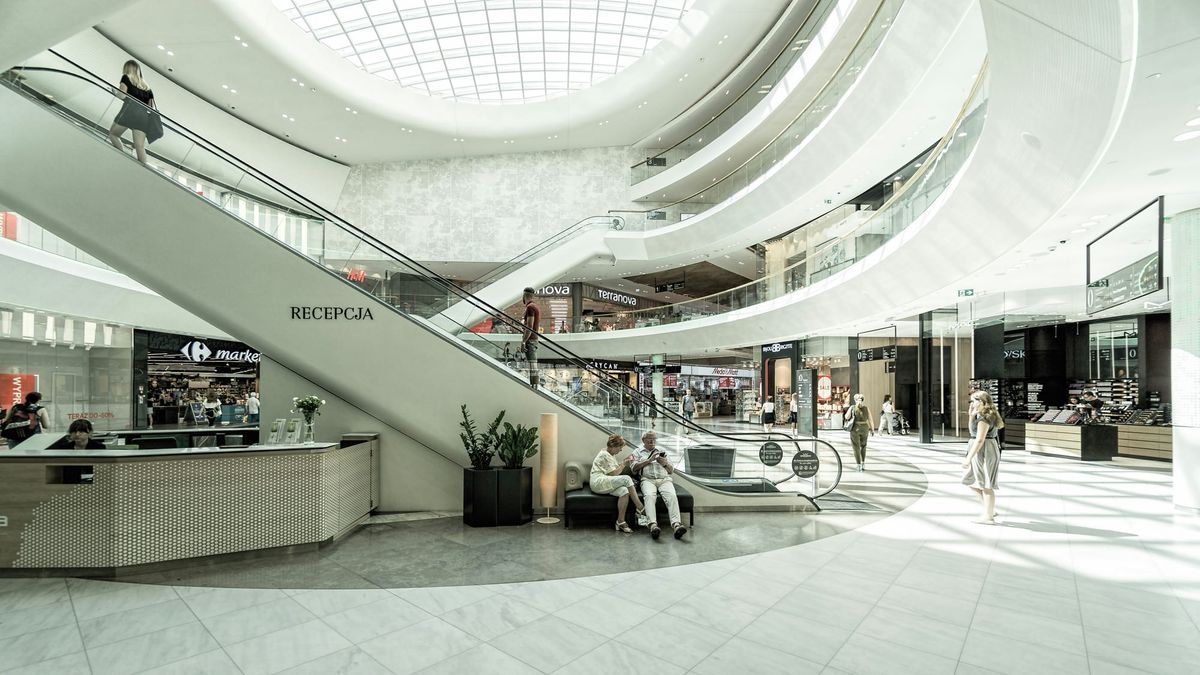
There was a time when shopping was simple.
You walked into a store, picked between three versions of the same thing, maybe asked someone for advice, and went home. Now, buying a coffee grinder can somehow involve 14 browser tabs, TikTok reviews, Reddit threads, price comparison videos, and a moment where you genuinely question whether you need a burr grinder certified by baristas in Copenhagen.
The problem is no longer access.
It’s volume.
We live in an era where almost everything is available, all the time, from everywhere. That sounds convenient until you realize endless choices come with their own kind of exhaustion. Most people are not struggling to find products anymore. They’re struggling to decide confidently.
And quietly, the smartest shoppers have changed the way they shop because of it.
Smart shopping is no longer about finding the cheapest thing
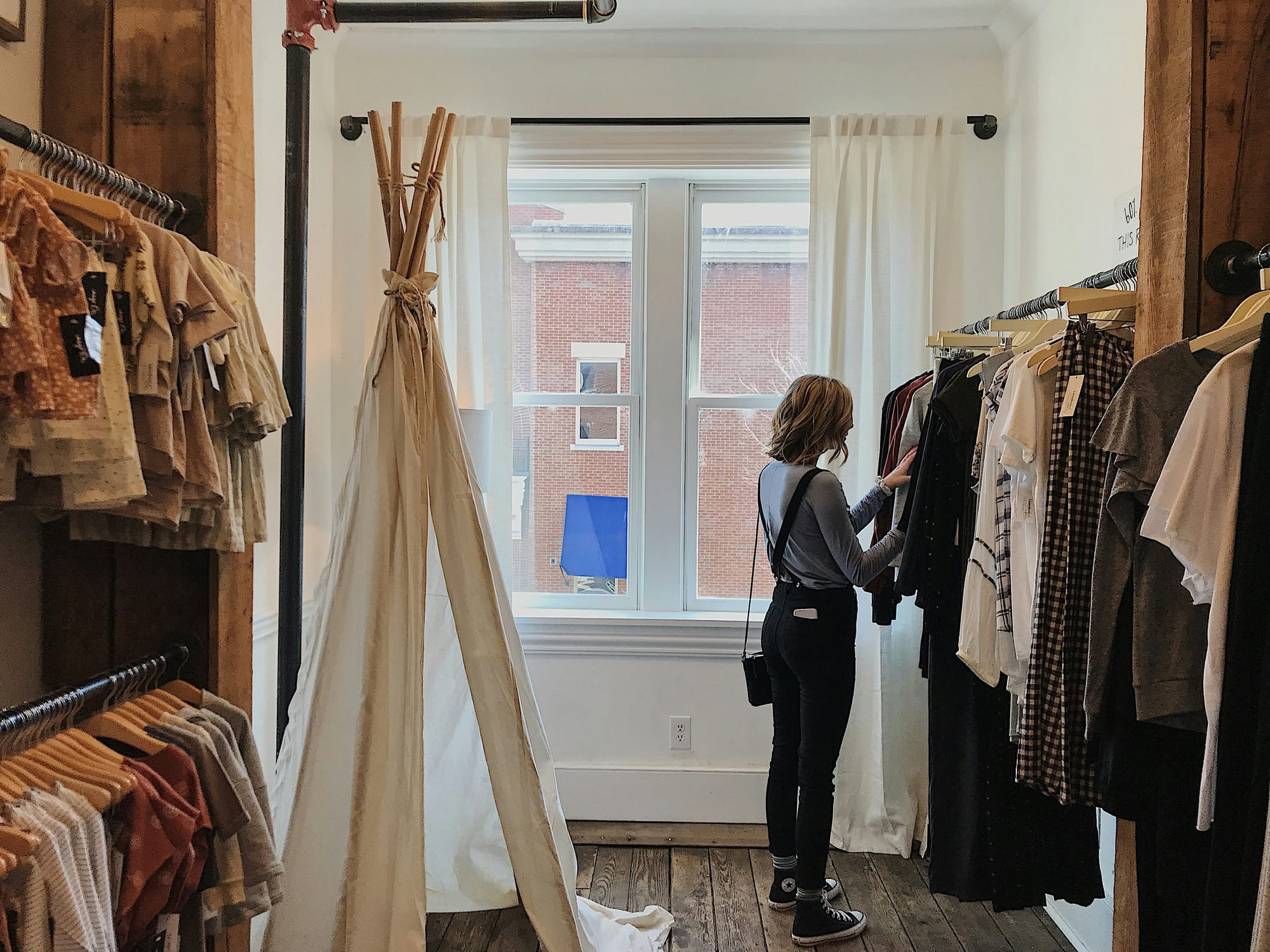
A few years ago, being “good at shopping” mostly meant catching sales or clipping coupons. Today, it looks different.
Smart shoppers are optimizing for timing, organization, flexibility, and mental bandwidth.
Instead of panic-buying during checkout countdowns, they save products for later. Instead of refreshing tabs during sale weekends, they let technology track prices for them. Instead of sending messy screenshots in group chats, they keep everything organized in one place.
That shift matters because online shopping is increasingly designed to overwhelm attention. Limited-time offers, fake urgency, endless recommendations, and algorithm-driven ads all compete for quick decisions.
The people who shop well now are the ones slowing the process down.
That’s partly why tools like LMK.today are becoming more useful. Not because they encourage buying more, but because they make shopping feel less chaotic. You can save items from different stores, organize wishlists cleanly, and revisit purchases when you actually want to make them.
It sounds simple, but simplicity is surprisingly rare online.
Wishlists became decision-making tools
Wishlists used to feel temporary. Almost disposable.
Now they function more like personal shopping systems.
People use them to plan birthday gifts months ahead, organize apartment upgrades, track seasonal purchases, or build a holiday gift registry without locking themselves into a single retailer.
That flexibility matters because modern shoppers rarely buy from one store anymore. Someone might find home decor on Etsy, electronics on Amazon, skincare from a direct-to-consumer brand, and gifts from smaller independent shops all in the same week.
The old registry model feels outdated in comparison.
Being able to create an online wishlist across multiple stores feels more natural because that’s already how people shop in real life. It also removes a weird amount of friction from sharing recommendations with friends, partners, or followers.
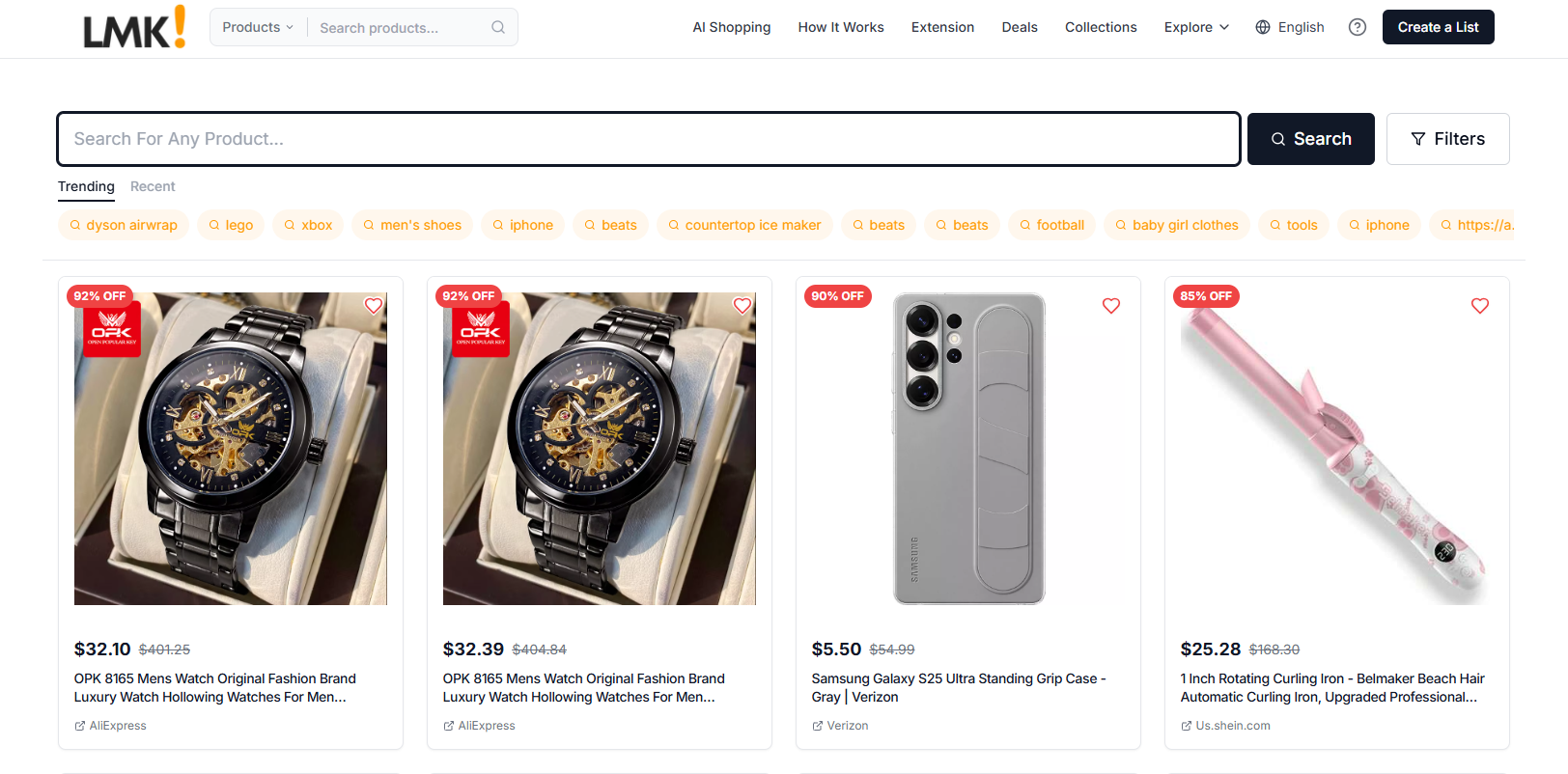
And honestly, it helps reduce impulse purchases too.
There’s something psychologically useful about saving an item instead of immediately buying it. Most people discover pretty quickly which products they genuinely want and which ones just looked appealing for seven minutes.
Price tracking quietly changed the game
One of the strangest habits modern shopping created is compulsive checking.
You see something you want, then reopen the tab every few days hoping the price magically drops.
It’s exhausting.
Price tracking tools solve a surprisingly human problem: mental clutter.
A good price tracker app removes the need to monitor products manually. Instead of spending energy remembering whether those headphones were cheaper last week, you simply get notified when prices change.
More importantly, tracking prices across stores changes how people think about timing.
Smart shoppers know most products fluctuate constantly. Furniture, gadgets, shoes, kitchenware, and even everyday essentials often cycle through discounts quietly over time. The internet trained people to chase dramatic shopping events like Black Friday, but many of the best deals happen randomly on ordinary Tuesdays.
When you can track prices across stores, patience becomes easier.
And patience is underrated.
Browser tabs are the new junk drawer
Everyone has a collection of abandoned shopping tabs somewhere.
Half-researched purchases. Gift ideas. Products you meant to compare later. Things you forgot existed until your laptop restored last month’s session.
The modern shopping experience is fragmented by design. Stores want you to stay inside their ecosystem, but real shoppers bounce constantly between platforms.
That’s where browser-based tools became unexpectedly valuable.
Using a shopping tool Chrome extension feels less like adding another app and more like cleaning up digital behavior you already have. Instead of screenshotting products or sending yourself links you’ll never reopen, you can save items instantly while browsing naturally.
The best tools don’t interrupt shopping habits.
They organize them.
That distinction matters because people are tired of productivity systems that feel like extra work.
Registries are becoming more personal
The registry itself has evolved too.
It’s no longer just about weddings.
People now create registries for baby showers, birthdays, housewarmings, graduations, holidays, and even group gifting among friends. The rise of the free online gift registry reflects something bigger happening culturally: people want curated, intentional recommendations instead of generic gift exchanges.
Nobody really enjoys buying random filler gifts anymore.
Modern registries work better when they reflect actual personality. A mix of practical things, meaningful upgrades, small luxuries, and oddly specific interests feels far more human than scanning barcodes in one department store for two hours.
Platforms like LMK.today registries and wishlists make this easier because they aren’t tied to one retailer. You can build collections that actually look like your life instead of someone else’s inventory system.
That freedom makes sharing recommendations feel more authentic too, especially for creators and influencers who constantly get asked where they found something.
The smartest shoppers protect their attention

This might be the real rule underneath all the others.
Good shopping habits today are less about spending and more about attention management.
The internet is very good at manufacturing urgency. But urgency often leads to regret purchases, duplicate items, forgotten subscriptions, and clutter people didn’t actually want.
The smartest shoppers create distance between discovery and purchase.
They save things. Compare thoughtfully. Wait for price drops. Revisit decisions later. Organize ideas instead of reacting instantly.
Ironically, technology is helping people become more intentional by automating the noisy parts of shopping.
And that’s probably the future of it all.
Not buying less necessarily.
Just buying with a little more clarity.
If modern shopping feels overwhelming sometimes, that’s because it genuinely is. Endless choices can be useful, but they also demand better systems. The people navigating it best are not the fastest buyers. They’re the most organized ones.
A well-built wishlist, a reliable price tracker, and a simple way to manage products across stores can quietly save more time and money than another dramatic “shopping hack” ever will.
Sometimes smart shopping is just making the internet feel manageable again.