The Best Reusable Products That Save Money Over Time
Reusable products that save money over time, from insulated bottles to cloths, plus tips on choosing durable items and tracking prices with wishlists.
Ever felt that certain kind of purchase that feels good twice?
First, when you buy it. Then again every time you don’t have to buy the disposable version anymore.
Reusable products have quietly shifted from “eco-friendly alternatives” into something much more practical. They save money, reduce clutter, and honestly make everyday routines feel a little less wasteful. Once you start replacing throwaway items with things built to last, you notice how many small recurring purchases were draining your budget in the background.
The tricky part is knowing which reusable products are actually worth it. Some save you real money over time. Others just look nice in kitchen photos.
If you’ve been trying to shop smarter lately, tools like LMK.today make it easier to organize long-term purchases, compare options across stores, and track price drops before you commit. Because oddly enough, buying fewer things usually works best when you plan purchases more intentionally.
Reusable Water Bottles Still Deserve the Hype
It sounds obvious because everyone already owns one. But most people underestimate how much they spend on bottled drinks over the course of a year.
A durable insulated bottle changes behavior more than people expect. You refill it more often, buy fewer drinks out of convenience, and stop treating hydration like a mini transaction every few hours.
The better ones also last for years. Not months. Years.
If you’re comparing brands or waiting for discounts, a good price tracker app helps avoid paying full price during seasonal spikes. This is especially useful around holiday shopping periods when insulated drinkware suddenly becomes “giftable” and prices jump.
A lot of people also build practical wishlists for everyday upgrades now instead of only saving luxury items. Using a tool to create online wishlists for products you genuinely plan to use is far more useful than impulse buying during sales.
Silicone Food Storage Bags Replace More Than You Think
Plastic sandwich bags are one of those recurring purchases that never feel expensive individually. Then you realize you’ve been rebuying them for years.
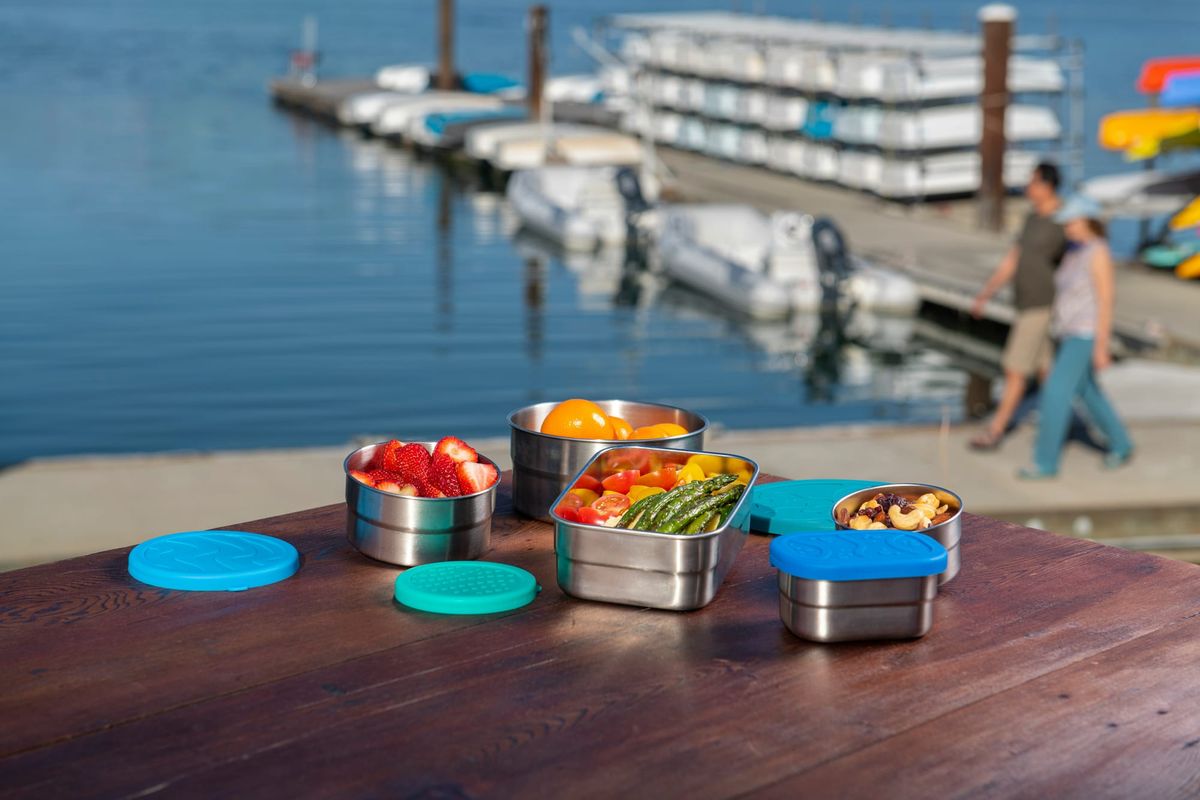
Reusable silicone bags work for lunches, freezer storage, leftovers, snacks, travel toiletries, and surprisingly even organizing cables or small electronics. They pull double duty in ways disposable products never do.
The upfront cost looks high until you stop replenishing boxes of zip bags every grocery run.
This is where smarter shopping habits matter more than bargain hunting. Buying one well-reviewed reusable product often beats cycling through cheap replacements. Browsing curated product collections can help narrow down options without opening twenty tabs that all start to blur together.
And if you’re someone who constantly forgets what you planned to buy later, browser tools help. The LMK.today Chrome extension makes saving products across stores surprisingly painless. It’s one of those small conveniences that prevents random impulse purchases because you can actually organize ideas instead of panic-buying them later.
Rechargeable Batteries Quietly Save a Fortune
This one feels boring until you do the math.
Remote controls, gaming accessories, cameras, kids’ toys, wireless keyboards, smart home devices. Disposable batteries disappear constantly, especially in larger households.
Rechargeable batteries usually pay for themselves within months. After that, they’re basically reducing recurring costs every single week.
What’s changed recently is quality. Modern rechargeable batteries hold charges longer and feel less annoying than older versions people gave up on years ago.
They’re also one of the more underrated additions to a holiday gift registry. Most registries focus entirely on decorative or sentimental products, but practical long-term upgrades tend to age better. A free online gift registry that lets people add products from different stores makes these kinds of useful items easier to include naturally.
Because honestly, receiving something you’ll use constantly is underrated.
Cloth Towels and Cleaning Pads Make Disposable Products Feel Silly
Paper towels are convenient. Nobody’s denying that.
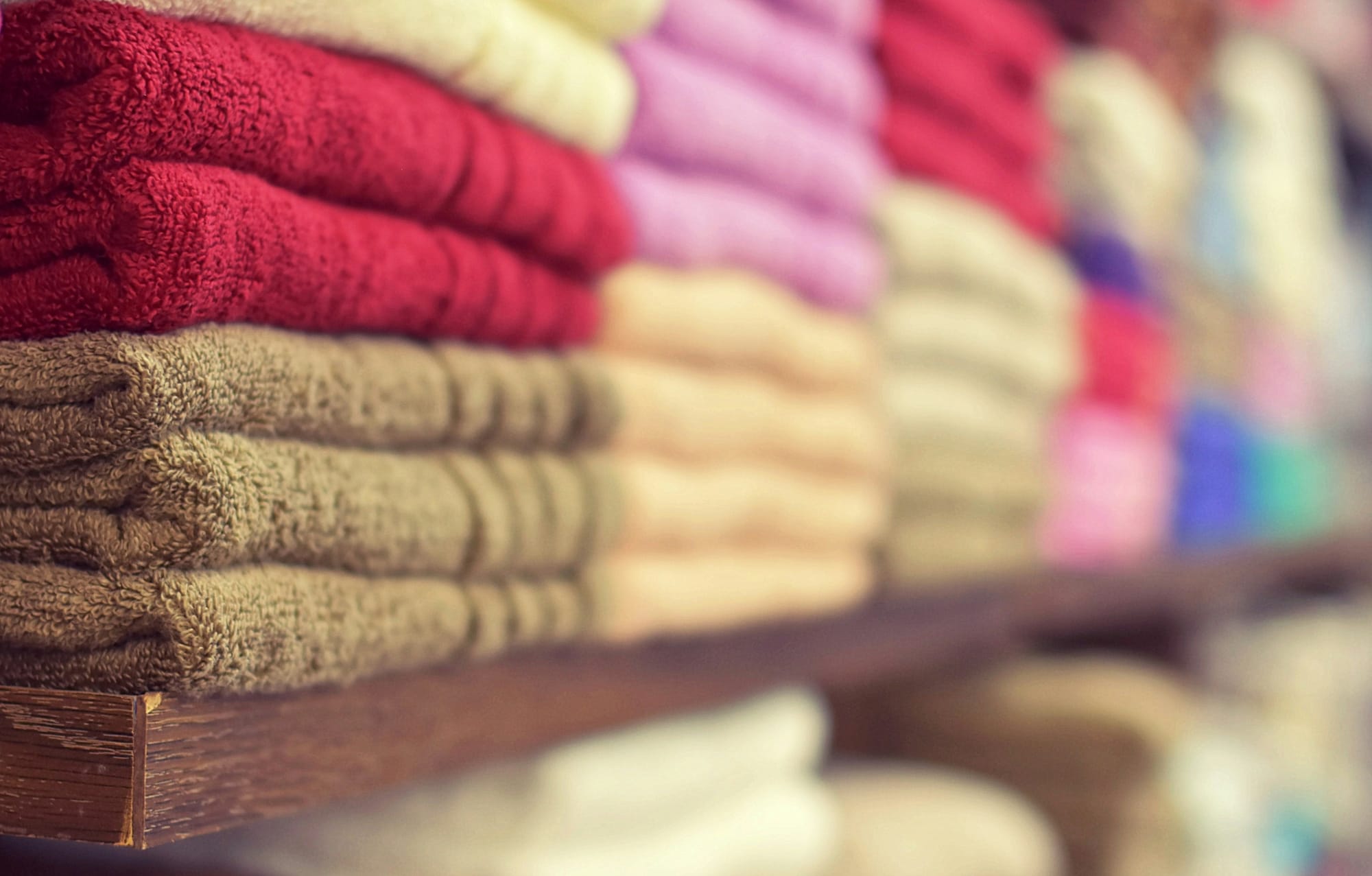
But reusable microfiber cloths and washable cleaning pads reduce household spending in a surprisingly noticeable way over time. Especially if you clean often or have pets, kids, or messy kitchens.
The bigger shift is psychological. Once you stop automatically throwing things away after one use, you start noticing how much “convenience spending” happens on autopilot.
The same goes for reusable mop pads, washable dusters, and refillable cleaning bottles.
Many shoppers now use tools that can track prices across stores because reusable household products fluctuate heavily during sales cycles. You don’t need to buy immediately. You just need to remember the item exists when prices drop later.
That’s usually the hard part.
Safety Razors Are the Rare Product That’s Both Cheaper and Better
Disposable razors somehow became normal despite being expensive, flimsy, and constantly replaced.
A good safety razor feels old-school in the best possible way. The handle lasts practically forever, replacement blades cost very little, and many people find the shave noticeably better once they adjust to it.
This is one of the clearest examples of spending more upfront to spend dramatically less later.
It also reflects a broader shift happening with shopping in general. More people are becoming selective about what deserves repeat spending versus one-time investment.
That’s partly why wishlist tools have become more useful beyond birthdays and holidays. People use them now to plan smarter purchases over time, compare options, and avoid forgetting products they actually researched carefully. Sites like LMK.today work well for this because they aren’t locked to a single retailer.
Coffee Gear Pays Off Faster Than Most People Expect
Daily coffee purchases barely register individually, which is exactly why they add up so aggressively.
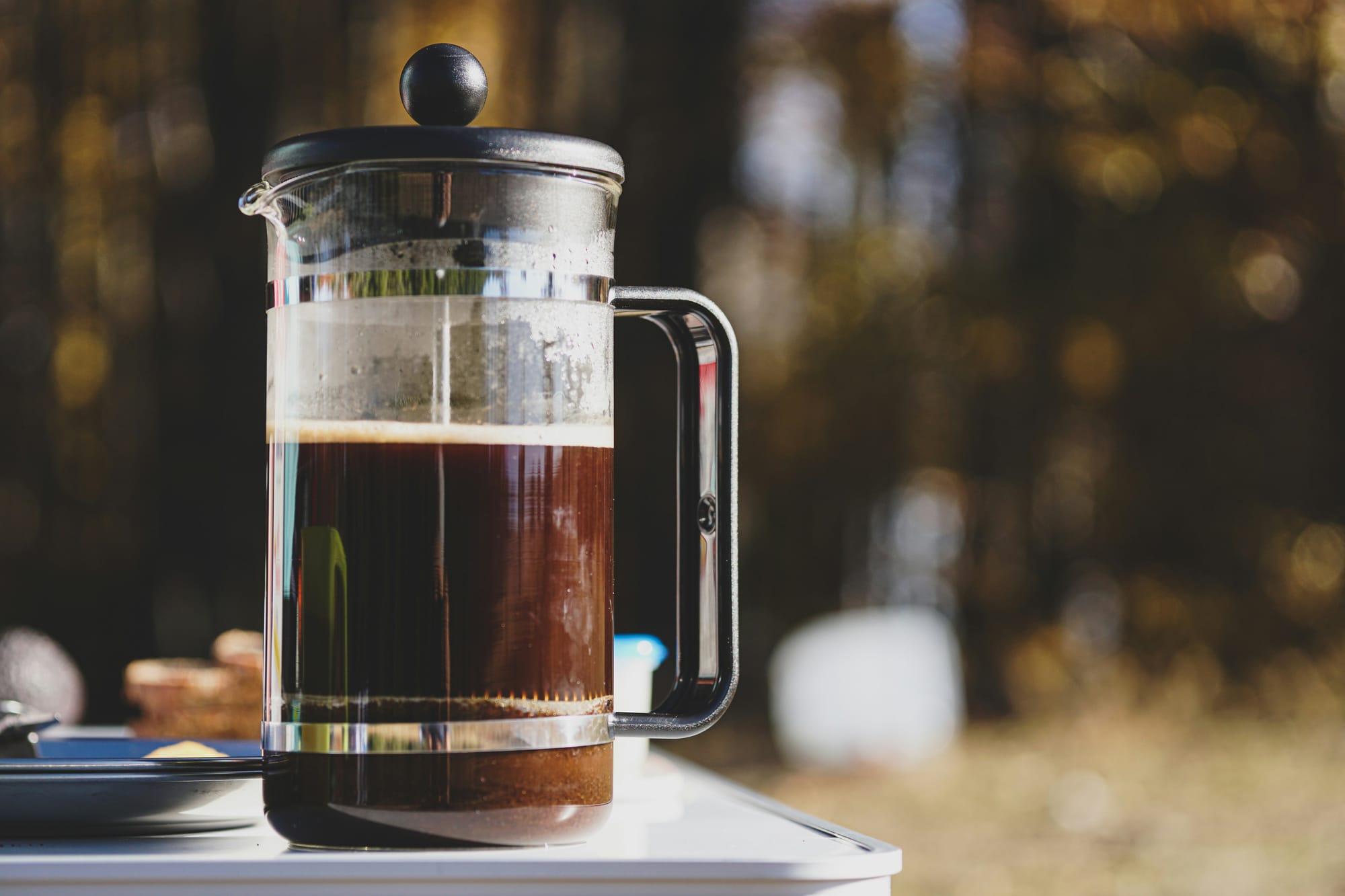
A French press, pour-over setup, espresso machine, or cold brew maker can dramatically reduce monthly spending if you regularly buy coffee outside. Even modest home setups usually pay for themselves faster than expected.
The key is choosing equipment you’ll genuinely use consistently, not buying an elaborate café setup that becomes kitchen decoration.
This is also where organized shopping helps avoid overbuying accessories you don’t need. Browsing trusted merchants and stores in one place makes comparison shopping feel less chaotic, especially during major sale seasons.
Because coffee equipment pricing can get weirdly inconsistent depending on timing.
The Real Savings Usually Come From Habits
Reusable products save money, but not magically.
The actual financial difference comes from replacing recurring purchases with systems that last longer and require less maintenance over time. The best reusable products are the ones that naturally fit into your routine without forcing lifestyle changes you won’t keep up with.
That’s why some people swear by reusable grocery bags but never touch reusable straws. Convenience still matters.
The smartest approach is gradual. Replace the disposable products you use constantly first. Build around habits that already exist.
And before buying anything, it helps to organize products somewhere outside your browser tabs. Whether you want to create a practical wishlist, track discounts automatically, or compare options across stores, platforms like LMK.today make intentional shopping feel easier and less scattered.
Which, ironically, is probably the most reusable habit of all.