The Best Digital Organization Tools for Everyday Life
Digital organization tools for everyday life that reduce friction, keep track of wishlists and price changes, and help you remember and plan with less stress.

There’s a very specific kind of stress that comes from having your life scattered across screenshots, browser tabs, sticky notes, and half-remembered group chats.
You save a birthday gift idea on Instagram, forget where you saw it, then accidentally buy it at full price two weeks later. Your vacation planning lives in six different apps. Your “someday” shopping list turns into twenty open tabs you swear you’ll revisit.
Most people don’t need more productivity systems. They just need fewer loose ends.
That’s why the best digital organization tools today are less about turning you into a hyper-efficient robot and more about quietly reducing friction in everyday life. The right tools help you remember things, keep track of what matters, and avoid wasting time repeating the same small tasks over and over.
Some organize your calendar. Some organize your notes. A few make shopping, gifting, and event planning feel dramatically less chaotic than they used to.
And honestly, that last category deserves more attention than it gets.
The shift from “productivity” to practical organization
A lot of digital tools still market themselves like you’re about to become a startup founder overnight.
Most people are just trying to remember which skincare product they wanted to reorder.
Or track prices across stores without manually checking every few days.
Or create an online wishlist that doesn’t disappear into screenshots and bookmarked tabs.
That’s where newer tools are getting smarter. They’re blending organization into normal life instead of treating everything like a project management sprint.
Apps like LMK.today are a good example of this shift. Instead of forcing users into a single store ecosystem, it lets you save products from almost anywhere online, organize them into wishlists or registries, and track prices automatically in the background.
It feels less like “productivity software” and more like having a cleaner brain.
The tools people actually keep using
The funny thing about digital organization is that the best tools are rarely the most complicated ones.
People stick with tools that remove friction immediately.
A few categories have become surprisingly essential:
Note-taking apps that don’t get in your way
Apps like Notion, Apple Notes, and Google Keep remain popular because they work differently for different personalities.
Some people want a fully structured workspace. Others just want somewhere to dump thoughts before they disappear.
The mistake is overbuilding your system too early. Most organization habits fail because maintaining the system becomes its own task.
Simple usually wins.
Calendar tools that reduce mental clutter
A good calendar app doesn’t just track appointments. It lowers background anxiety.
Apps like Google Calendar and Fantastical help because they centralize everything in one predictable place.
Even basic habits help more than people expect:
- Color-coding recurring commitments
- Blocking “errand time” instead of vague to-do lists
- Scheduling reminders for personal tasks, not just work
Digital organization works best when it supports real life, not just work life.
Shopping organization has quietly become its own category
This is the area most people underestimate.
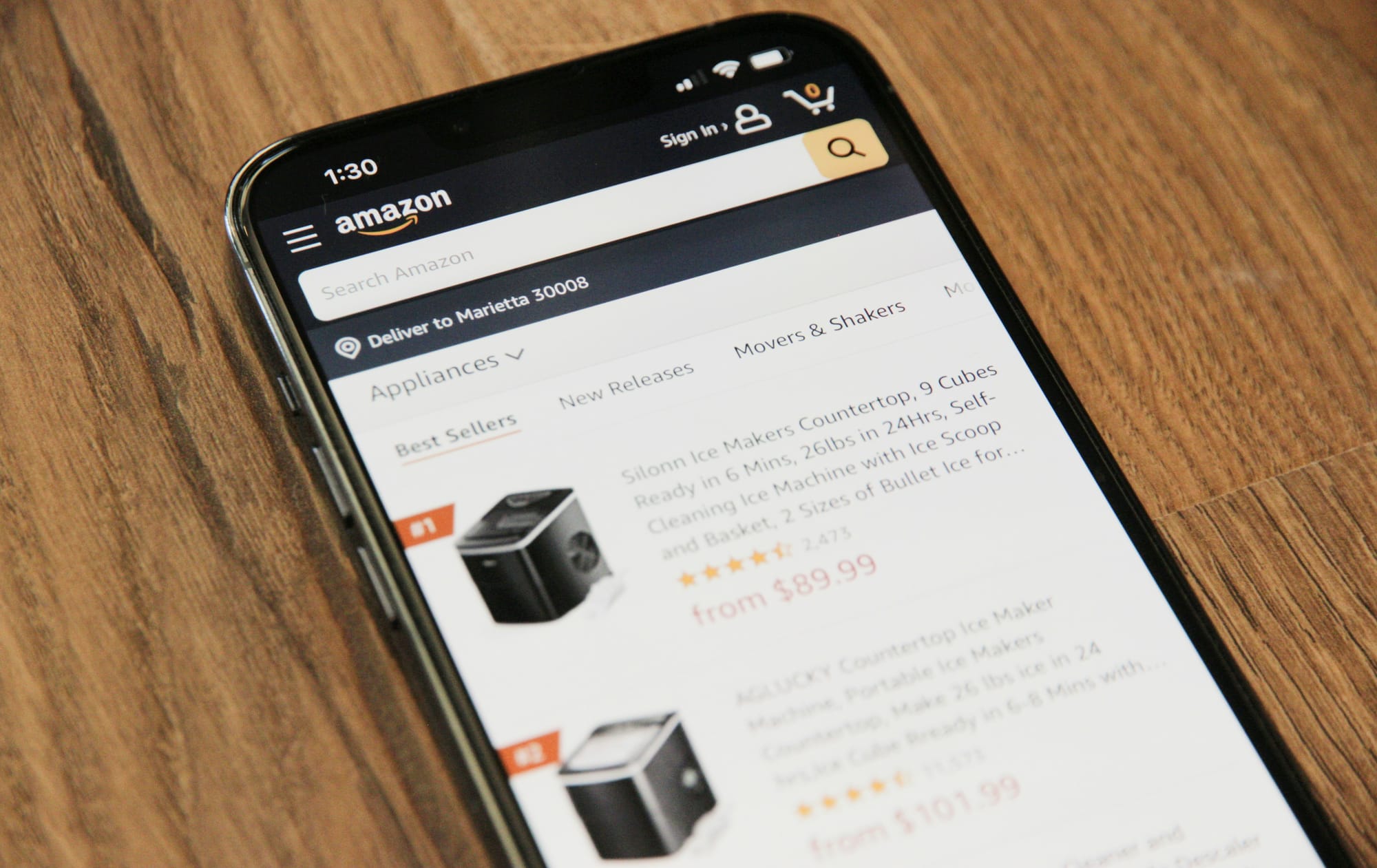
Modern shopping is fragmented across dozens of stores, creator recommendations, TikTok videos, and saved links. People are constantly discovering products they want, then losing track of them five minutes later.
That’s why wishlist and price tracking tools have become surprisingly useful everyday utilities.
A platform like LMK.today Wishlists solves a problem most people already have: collecting products from different stores into one organized place.
And unlike traditional wishlists tied to a single retailer, it works across stores. That matters more than it sounds.
You can:
- Save products from multiple ecommerce sites
- Organize gift ideas by category or event
- Share lists with friends or family
- Track prices automatically
- Avoid manually checking for discounts
Price tracking, in particular, removes a weird amount of mental overhead. Instead of reopening tabs every few days hoping for a sale, the system does the monitoring for you.
A good price tracker app is less about spending money and more about spending attention wisely.
The rise of digital registries that don’t feel outdated
Traditional gift registries always had one major flaw: they were tied to a single store.
Real life doesn’t work like that anymore.
People want wedding gifts from independent brands, baby items from niche shops, home pieces from different retailers, and practical things mixed with personal ones.
Modern registry tools are finally catching up.
Using a free online gift registry through LMK.today Products gives people far more flexibility than old-school department store registries ever did. You can pull products from different stores into one clean registry and share it without forcing everyone into one shopping platform.
It also works well beyond weddings.
People now build registries for:
- Baby showers
- Birthdays
- Housewarmings
- Holidays
- Graduation gifts
- Group gifting events
The idea of a holiday gift registry used to feel oddly formal. Now it mostly feels practical.
Nobody enjoys answering “What do you want?” fifteen times in December.
Browser extensions are becoming underrated organization tools

The best shopping tool extension for Chrome is usually the one you forget is there until you need it.
That’s actually a compliment.
A browser extension should remove steps, not add them.
The LMK.today Chrome Extension works because it shortens the distance between discovering something and saving it properly. Instead of copying links into notes apps or sending yourself messages you’ll never revisit, you can save products directly into organized lists while browsing.
Tiny conveniences matter more than people think.
If a tool saves even thirty seconds repeatedly, it eventually becomes part of your default behavior.
That’s usually the point where a digital organization tool stops feeling like software and starts feeling genuinely useful.
Deals are easier to manage when they come to you
Most people are bad at consistently hunting for discounts because it’s exhausting.
Refreshing tabs every day is not a strategy.
A smarter approach is building a system where price tracking happens automatically while you continue with your life. That’s where platforms like LMK.today Deals fit naturally into everyday shopping habits.
Especially during seasonal shopping periods like Black Friday or Christmas, being able to track prices across stores becomes more valuable than endlessly scrolling deal forums.
The internet already produces enough noise.
Good organization tools reduce it.
The real goal is less mental friction
The best digital organization tools for everyday life rarely make dramatic promises.
They simply help you keep track of things without turning organization itself into another chore.
A cleaner calendar. Fewer forgotten ideas. Better wishlists. Automatic price tracking. A place to save things that matter before they disappear into the internet void.
That’s usually enough.
And honestly, most people don’t need a perfectly optimized life.
They just need systems that make everyday moments slightly easier to manage.