
Smart Online Shopping Tricks Most People Still Don’t Use
Smart online shopping tricks that save time and money: use wishlists, automated price tracking, and cooling-off habits to avoid impulse buys and compare better.
A lot of shoppers are still doing things the hard way. Opening twenty tabs. Screenshotting products they’ll never find again. Refreshing pages to check if a price dropped by five bucks overnight. Sending links into group chats that disappear forever under memes and “what’s for dinner?” conversations.
Meanwhile, the people who shop smarter are treating online shopping less like a scavenger hunt and more like a system.
Not in a hyper-organized, spreadsheet kind of way. Just small habits that quietly save money, time, and decision fatigue.
And surprisingly, most people still aren’t using them.
Stop Buying the First Time You See Something
This one sounds obvious until you realize how aggressively ecommerce sites push urgency.
“Only 2 left.”
“Sale ends in 4 hours.”
“14 people are viewing this item.”
Sometimes it’s real. Sometimes it’s theater.
A smarter move is creating a temporary “cooling-off” space before buying. Not a cart. A wishlist.
That’s where tools like LMK.today become genuinely useful instead of just another account you forget exists. You can save products from different stores into one place instead of trying to remember where you saw them.
The interesting part is psychological. Once something is saved, your brain stops treating it like it might disappear forever. You think more clearly. You compare better. You buy fewer random things.
And usually, you end up happier with what you actually purchase.
If you shop across multiple sites regularly, using a tool that lets you create online wishlists from any store is much cleaner than keeping thirty open tabs you swear you’ll revisit later.
Most People Still Don’t Track Prices Properly

A surprising number of shoppers still manually check prices.
Which is exhausting.
Especially during big sale periods like Black Friday, Cyber Monday, holiday launches, or random midweek “flash sales” that seem designed to create panic.
The smarter approach is letting prices come to you.
Using a proper price tracker app means you don’t have to revisit the same product page every day wondering if the price changed overnight. You save the item once and get notified if it drops.
That matters more than people realize because prices fluctuate constantly now. Some stores adjust them weekly. Others change them hourly depending on demand.
The people who consistently get good deals are rarely the people obsessively refreshing pages. They’re the people quietly tracking prices across stores while getting on with their lives.
There’s also another benefit nobody talks about enough: price tracking reduces impulse buying.
When you know you’ll get notified later, you stop feeling pressured to buy immediately.
That alone probably saves more money than coupon codes ever will.
Browser Extensions Are Underrated
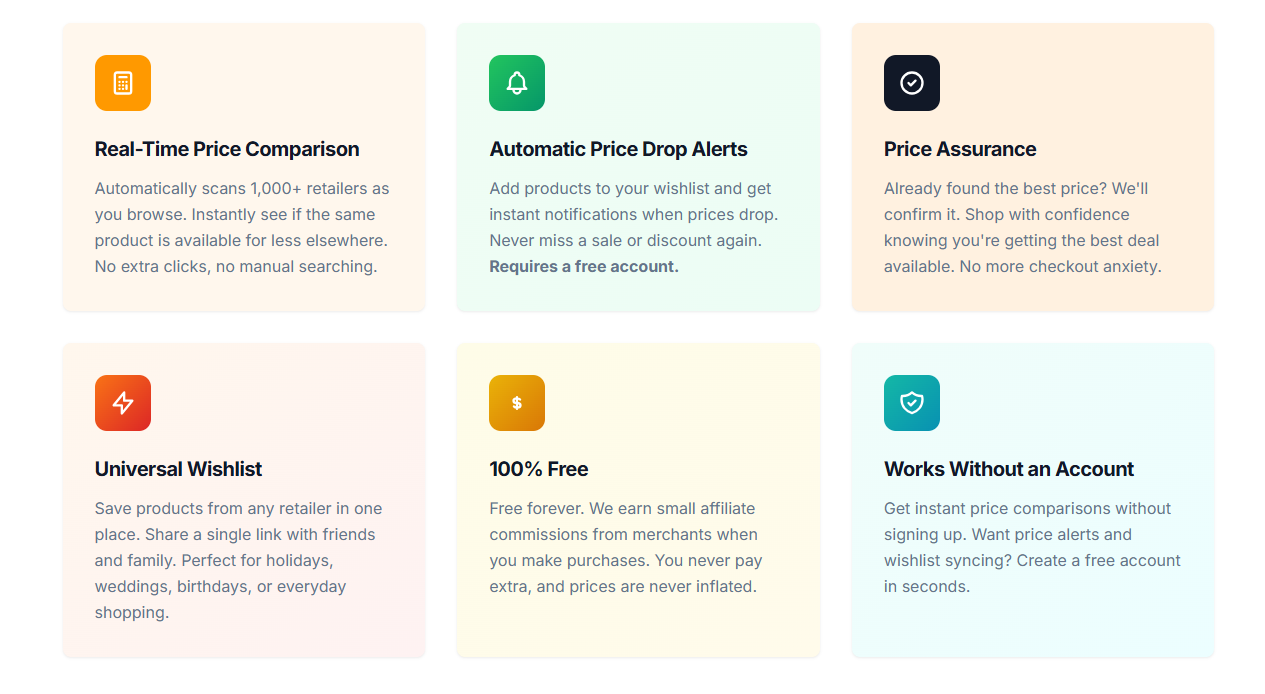
Most browser extensions are unnecessary clutter.
Shopping extensions are one of the few exceptions.
A genuinely useful one removes friction instead of adding more of it.
For example, a good shopping tool should let you save products instantly while browsing without interrupting your flow. No copy-pasting links into notes apps. No emailing yourself products like it’s 2012.
The LMK.today Chrome extension works well for this because it turns casual browsing into organized shopping without much effort. You see something interesting, save it, move on.
That sounds small until you realize how much online shopping is really just digital clutter management.
People underestimate how much mental energy gets wasted trying to relocate products they already found once.
The best shopping tool extension for Chrome isn’t necessarily the one with the most features. It’s the one that quietly removes annoying steps.
The Smartest Shoppers Use Wishlists for More Than Gifts
Wishlists used to feel seasonal. Birthday season. Christmas season. Wedding season.
Now they’re useful year-round.
Some people use them as personal shopping dashboards. Others use them for apartment planning, travel prep, baby registries, or collaborative gift ideas with friends.
And honestly, that makes more sense than sending random product links through six different apps.
Modern wishlists are less about “here’s what I want” and more about keeping shopping decisions organized in one place.
That becomes especially helpful during events.
A lot of people still don’t realize you can create a free online gift registry that isn’t locked to a single retailer. That flexibility matters because people rarely shop from just one store anymore.
For weddings, birthdays, baby showers, or holiday planning, mixed-store registries feel much more realistic.
You can include practical items, smaller gift options, niche finds, and things from independent brands all in one list instead of forcing everything into one ecosystem.
That’s also why the idea of a modern holiday gift registry has become more popular lately. People want less chaos during gift season, not more.
A centralized wishlist solves a surprisingly large amount of that chaos.
Don’t Ignore Smaller Merchants
Here’s another habit smart online shoppers develop over time: they stop defaulting to giant marketplaces for everything.
Not because large retailers are bad, but because smaller merchants often have better pricing, more interesting products, or less mass-produced inventory.
The challenge is discovery.
Most people only buy from stores they already know.
That’s where curated shopping tools become useful. Browsing through different online merchants and stores can surface products you’d probably never find through algorithm-heavy marketplaces.
And oddly enough, smaller shops are often where you find the products that feel less disposable.
Better gifts, too.
Sharing Shopping Recommendations Is Becoming Its Own Thing

A few years ago, sharing product recommendations casually felt awkward.
Now it’s practically a category of online content.
Creators, influencers, and even regular users are building curated product lists instead of repeatedly answering “where did you get that?” in DMs.
This works especially well for people who already enjoy organizing recommendations naturally. Fashion picks. Desk setups. Travel essentials. Baby products. Fitness gear. Holiday gift guides.
Instead of scattering links everywhere, having one organized wishlist or collection makes recommendations easier to browse and easier to update.
And for followers or friends, it’s a much better experience than hunting through old Instagram stories trying to find one product link.
Online Shopping Gets Better When You Slow It Down
The internet keeps trying to make shopping faster.
One-click checkout.
Instant recommendations.
Same-day delivery.
Countdown timers everywhere.
But most smart shopping habits are actually about slowing the process down slightly.
Saving first.
Tracking prices.
Comparing thoughtfully.
Organizing what you actually want before buying it.
That doesn’t remove spontaneity from shopping. It just removes some of the chaos.
And once you start using tools that help organize everything properly, it becomes surprisingly hard to go back to the old way of shopping through browser tab overload and forgotten screenshots.
A good shopping system doesn’t feel like work.
It feels quieter. Cleaner. Easier.
Which, honestly, is probably what most people wanted from online shopping in the first place.