
How to Create a Smarter Monthly Shopping Budget
How to create a smarter monthly shopping budget that reduces impulse buys by organizing wishlists and slowing purchases, so you spend more intentionally.
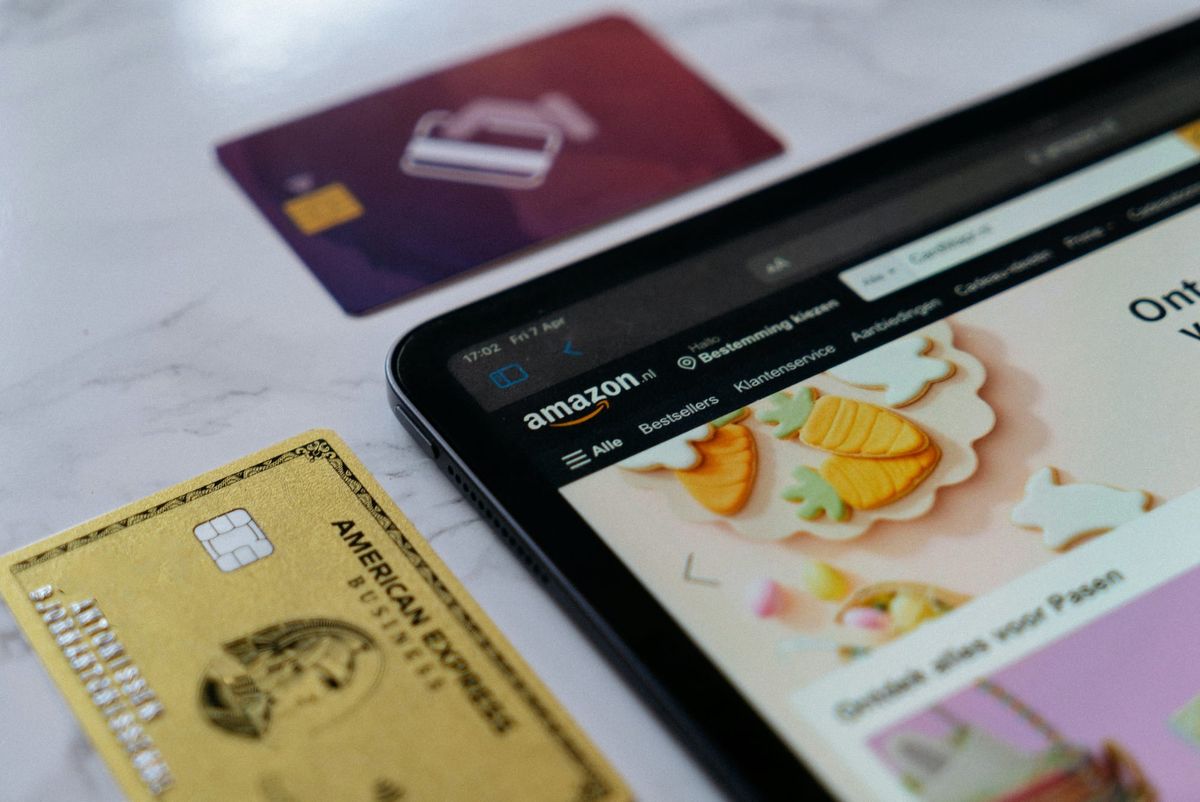
There’s a specific kind of regret that hits after checking your bank app and realizing half your paycheck disappeared into “small purchases.” A coffee here. A late-night sale there. Something you added to cart because it was 30% off, even though you weren’t planning to buy it in the first place.
Most people don’t overspend because they’re reckless. They overspend because modern shopping is designed to feel frictionless. Notifications, flash deals, limited drops, endless tabs open across different stores. Budgeting starts to feel less like planning and more like damage control.
That’s why a smarter monthly shopping budget isn’t really about restriction. It’s about building a system that helps you spend intentionally without constantly thinking about money.
And surprisingly, a big part of that comes down to how you shop online.
A shopping budget works better when it’s connected to real behavior
A lot of budgeting advice assumes people make perfectly rational decisions. You set a number, track expenses, and magically stay disciplined for 30 days.
Real life doesn’t work like that.
Most spending happens emotionally or impulsively. You see something interesting. You worry it’ll sell out. You convince yourself it’s cheaper now than it will be later. Sometimes that’s true. Most of the time, it’s just urgency disguised as savings.
One of the easiest ways to create a smarter monthly shopping budget is to slow down the buying process without making it annoying.
That’s where tools like LMK.today quietly become useful. Instead of juggling screenshots, bookmarks, or random tabs you swear you’ll revisit later, you can save products from different stores into one organized wishlist. It sounds simple, but having a dedicated place for “things I might want later” creates enough pause to reduce impulse spending naturally.
You stop buying based on panic and start buying based on priority.
Stop treating every deal like an opportunity

A sale is only useful if you were already planning to buy the thing.
That sounds obvious, yet most online shopping behavior revolves around reacting instead of planning. The result is a budget that constantly gets hijacked by “good deals.”
A better approach is creating a monthly spending list before browsing. Not a rigid spreadsheet. Just a simple breakdown:
- Essentials
- Planned purchases
- Gifts or events
- “Fun money”
- Future wants
The future wants category matters more than people think. When you give yourself permission to save items for later, you reduce the pressure to buy immediately.
Using a tool to create online wishlist collections across different stores makes this surprisingly manageable. Instead of reopening 20 tabs every week, you already have a curated list of things you genuinely want.
That distinction matters because planned spending almost always feels better than reactive spending.
Price tracking quietly fixes one of the worst shopping habits
Refreshing product pages every few days is a weirdly common ritual now.
People do it for sneakers, gadgets, skincare, furniture, holiday gifts, basically everything. And it creates a subtle pressure to buy early because nobody wants to miss the “lowest price.”
The irony is that this behavior usually leads to overspending, not savings.
A proper price tracker app removes that constant mental load. Instead of checking manually, you let the system monitor products for you. If the price drops, you get notified. If it doesn’t, you move on with your life.
That’s one reason tools that help you track prices across stores can genuinely support better budgeting habits. Price tracking means you don’t have to refresh tabs every day or rush into buying because of uncertainty.
It also changes how you think about timing.
You stop asking, “Should I buy this right now?”
You start asking, “Is this actually worth my budget this month?”
Those are very different questions.
Your browser probably influences your spending more than you realize

Most people think budgeting apps are where financial discipline happens. In reality, a huge part of spending behavior happens directly inside the browser.
That’s where temptation lives.
The easier it is to save products without immediately checking out, the easier it becomes to shop thoughtfully instead of impulsively.
A good Chrome extension can quietly reshape that behavior. The kind that lets you save products instantly while browsing different ecommerce stores tends to work better than forcing yourself into spreadsheets or notes apps.
If you regularly shop online, using a shopping tool Chrome extension designed for wishlist building and price tracking can make budgeting feel less restrictive and more organized.
Which is important, because most budgeting systems fail when they feel exhausting.
Budgeting gets more complicated during gift season
Nobody really talks about how emotionally chaotic group gifting and holiday shopping can get.
You forget what you bought for who. Family group chats become confusing. Someone accidentally buys the same thing twice. You overspend because you didn’t track purchases properly.
This is where wishlists and registries stop being “nice extras” and start becoming practical budgeting tools.
Whether you’re planning a birthday, wedding, baby shower, or holiday exchange, having a centralized system matters. A free online gift registry helps reduce duplicate purchases, keeps gift ideas organized, and makes spending limits easier to manage before things spiral in December.
Platforms that support a holiday gift registry across multiple stores are especially useful because people rarely shop from a single retailer anymore. You can mix products from different brands without losing track of everything.
And honestly, there’s something satisfying about seeing your gift planning organized in one place instead of buried inside screenshots and forgotten notes.
A smarter budget leaves room for enjoyment
The best budgets aren’t hyper-optimized.
They don’t eliminate fun purchases. They just make those purchases intentional.
There’s a difference between buying something you genuinely love and buying something because an algorithm made you anxious about missing out. Smart budgeting is mostly learning to recognize that difference faster.
One underrated trick is giving yourself a “waitlist period.” Save the item. Leave it for a few days. Revisit it later. If you still want it after the excitement fades, it’s probably worth considering.
That’s another reason wishlist-based shopping systems work well psychologically. They create distance between desire and checkout.
And distance is often where better financial decisions happen.
The goal isn’t to spend less forever
People usually approach budgeting like punishment. Cut spending. Remove joy. Say no constantly.
That mindset rarely lasts.
A smarter monthly shopping budget is really about reducing noise. Fewer impulse purchases. Less panic buying. More clarity around what you actually value.
Some months that means spending less. Other months it means spending confidently because you already planned for it.
The important part is building habits that make shopping feel calmer instead of chaotic.
And if a tool helps you organize wishlists, monitor price drops, manage registries, and keep your purchases intentional without turning budgeting into a second job, that’s probably worth using.