How to Build a Personal "Buy Less, Choose Better" Mindset
Buy less, choose better: build an intentional shopping habit by delaying impulse purchases, using wishlists, and assessing items after a cooling-off period.

We live in a world where buying something takes less effort than deciding whether we actually need it.
A few taps, a saved payment method, and a package is already on its way.
The problem isn't that people enjoy shopping. Shopping can be fun. The problem is that modern online shopping is designed to encourage speed, not consideration. Flash sales create urgency. Social feeds constantly introduce new products. Discounts appear and disappear so quickly that it feels risky not to buy.
That's why more people are embracing a simple idea: buy less, choose better.
It's a mindset that shifts the focus away from collecting more stuff and toward making purchases you'll genuinely appreciate months or even years later.
The good news is that this mindset isn't about becoming a minimalist or never shopping again. It's about becoming a more intentional shopper.
Why We Buy Things We Don't Really Need
Most unnecessary purchases don't happen because we're irresponsible.
They happen because we're busy.
You see something interesting while scrolling. You tell yourself you'll think about it later. Then a sale countdown appears. Suddenly it feels like a decision has to be made immediately.
This is where many purchases go wrong.
The most valuable shopping habit isn't finding the lowest price. It's creating space between wanting something and buying it.
Many intentional shoppers use tools like wishlists instead of checking out immediately. Saving an item allows you to revisit it later when the excitement has settled. If you still want it after a few days or weeks, that's often a sign it's worth considering.
Interestingly, many items lose their appeal once the initial impulse passes.
Replace Impulse Buying With a Waiting List

One of the easiest ways to buy less is to stop treating every interesting product as an immediate purchase decision.
Instead, create a personal "waiting room."
When you discover something you like, save it. Let it sit.
This works especially well because online shopping creates endless opportunities for distraction. By maintaining a curated list of products you're genuinely interested in, you begin separating temporary wants from long-term value.
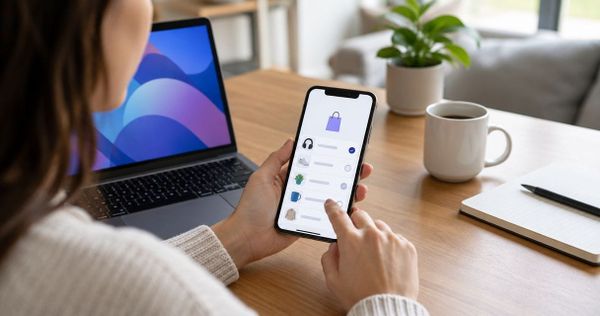
A platform like LMK.today makes this surprisingly easy because you can create online wishlists from virtually any store. Instead of opening dozens of tabs or sending yourself links you'll never revisit, everything stays organized in one place.
Over time, your wishlist becomes a filter. Some products remain. Many disappear.
That tells you a lot about what matters.
Stop Chasing Discounts and Start Tracking Them
One of the biggest mistakes shoppers make is buying something simply because it's on sale.
A discount doesn't automatically create value.
A better question is: would you want this item if it weren't discounted?
If the answer is yes, then timing becomes important.
This is where a good price tracker app can completely change your shopping habits. Rather than checking product pages repeatedly or worrying about missing a deal, you can track prices across stores and wait for the right opportunity.
The benefit isn't just saving money.
It's removing pressure.
Instead of feeling forced to buy today because a sale ends at midnight, you can let technology monitor pricing for you. Tools like the LMK.today Deals page help shoppers keep an eye on discounts without turning bargain hunting into a full-time hobby.
When you're no longer reacting to every sale, buying becomes much more intentional.
Choose Quality That Lasts
The phrase "buy less, choose better" became popular because it highlights something many people already know:
Cheap products often become expensive products.
Not because of the purchase price, but because of replacement costs.
A jacket that lasts five years is usually a better investment than three jackets that each last a season. The same logic applies to furniture, electronics, kitchen tools, and countless other purchases.
This doesn't mean you need to buy luxury items.
It means evaluating products differently.
Before purchasing, ask:
- Will I still want this in a year?
- Is it solving a real problem?
- Would I recommend it to a friend?
- Am I buying it because it's useful or because it's available?
Using resources like curated products and buying guides can help you compare options more thoughtfully before committing.
The goal isn't perfection. It's making fewer purchases you later regret.
Make Saving Products Effortless

Good habits stick when they're easy.
That's why the best shopping systems reduce friction.
If saving an item requires multiple steps, most people won't do it. They'll either buy immediately or forget about it entirely.
A tool like the LMK.today Chrome Extension simplifies the process by allowing shoppers to save products directly while browsing. It's one of those small conveniences that supports better decision-making without requiring extra effort.
In many ways, the best shopping tool extension for Chrome isn't the one that helps you buy faster.
It's the one that helps you slow down.
The Same Mindset Works for Gift Giving
The "buy less, choose better" philosophy isn't only useful for personal purchases.
It also improves gift giving.
Anyone who has planned a wedding, birthday, baby shower, or holiday celebration knows how chaotic gift coordination can become. Group chats fill up with duplicate suggestions. Family members buy similar items. People ask what to purchase multiple times.
A thoughtful holiday gift registry or free online gift registry solves much of this confusion.
Instead of collecting random items, recipients can create a curated list of things they genuinely want and need. Guests gain confidence that their gifts will be appreciated, and unnecessary spending decreases.
For major life events, registries become less about receiving more and more about receiving better.
That's a subtle but important difference.
Build a Personal Shopping Philosophy
The most intentional shoppers aren't necessarily the most frugal.
They're simply clear about what matters to them.
Some prioritize durability. Others value design. Some care most about getting the best price possible. The details vary from person to person.
What they share is a willingness to pause before purchasing.
That pause creates room for better decisions.
Technology can support this process. Price tracking removes urgency. Wishlists create perspective. Registries improve gift planning. Product research reduces regret.
Ultimately, building a "buy less, choose better" mindset isn't about restriction.
It's about choosing deliberately.
Because the goal isn't owning fewer things for the sake of owning fewer things.
The goal is surrounding yourself with products you genuinely value, purchased at the right time, for the right reasons.
And that's a habit that pays off long after the excitement of clicking "Buy Now" disappears.