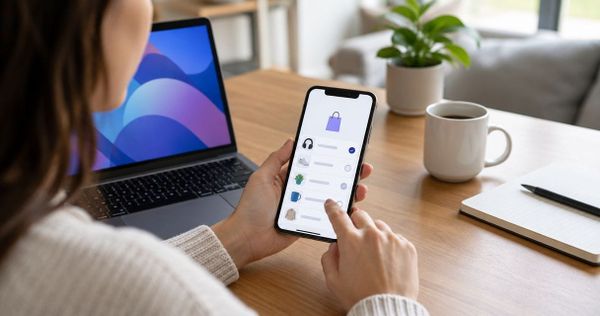
How Digital Tools Are Changing the Way We Shop
How digital tools are changing the way we shop: wishlists and price tracking make buying more intentional, collaborative, and timed to the best price.
There was a time when shopping meant wandering through aisles, hoping you’d remember everything you needed, and maybe catching a sale if you were lucky. Now, it feels more like a quiet strategy game happening behind your screen. Tabs open, prices compared, wishlists growing, deals tracked in the background.
The shift didn’t happen overnight, but it’s hard to ignore. Digital tools haven’t just made shopping easier. They’ve completely changed how we think about buying in the first place.
Shopping is no longer a one-time decision
A few years ago, you saw something you liked and either bought it or didn’t. That was it.
Now, most purchases live in a kind of “in-between” state. You save items, revisit them, wait for the right price, or share them with someone else. Shopping has become more thoughtful, and in some cases, more collaborative.
That’s where tools like LMK.today quietly reshape the experience. Instead of juggling screenshots or scattered bookmarks, you can create a clean, organized space for everything you’re considering. It turns impulse into intention.
The rise of the wishlist as a daily tool
Wishlists used to be something you made around the holidays. Now, they’re part of everyday browsing.
When you can create an online wishlist from any store, it stops being about one occasion and starts becoming your personal shopping hub. You’re not just saving items. You’re building a system.
This is especially useful when:
- You’re planning gifts ahead of time
- You want to avoid impulse buying
- You’re comparing options across multiple stores
Instead of reopening ten tabs later and trying to remember why you liked something, everything is already there, neatly collected.
Price tracking changes the timing of everything
One of the biggest shifts in digital shopping is patience.
With a good price tracker app, you don’t have to keep checking if something went on sale. The system does it for you. That small change removes a surprising amount of friction.
When you can track prices across stores, you start to notice patterns. Prices fluctuate. Discounts come and go. And suddenly, buying at full price feels optional rather than inevitable.
This isn’t just about saving money. It’s about removing the mental load of constantly checking and second-guessing.
Group gifting and registries feel less chaotic
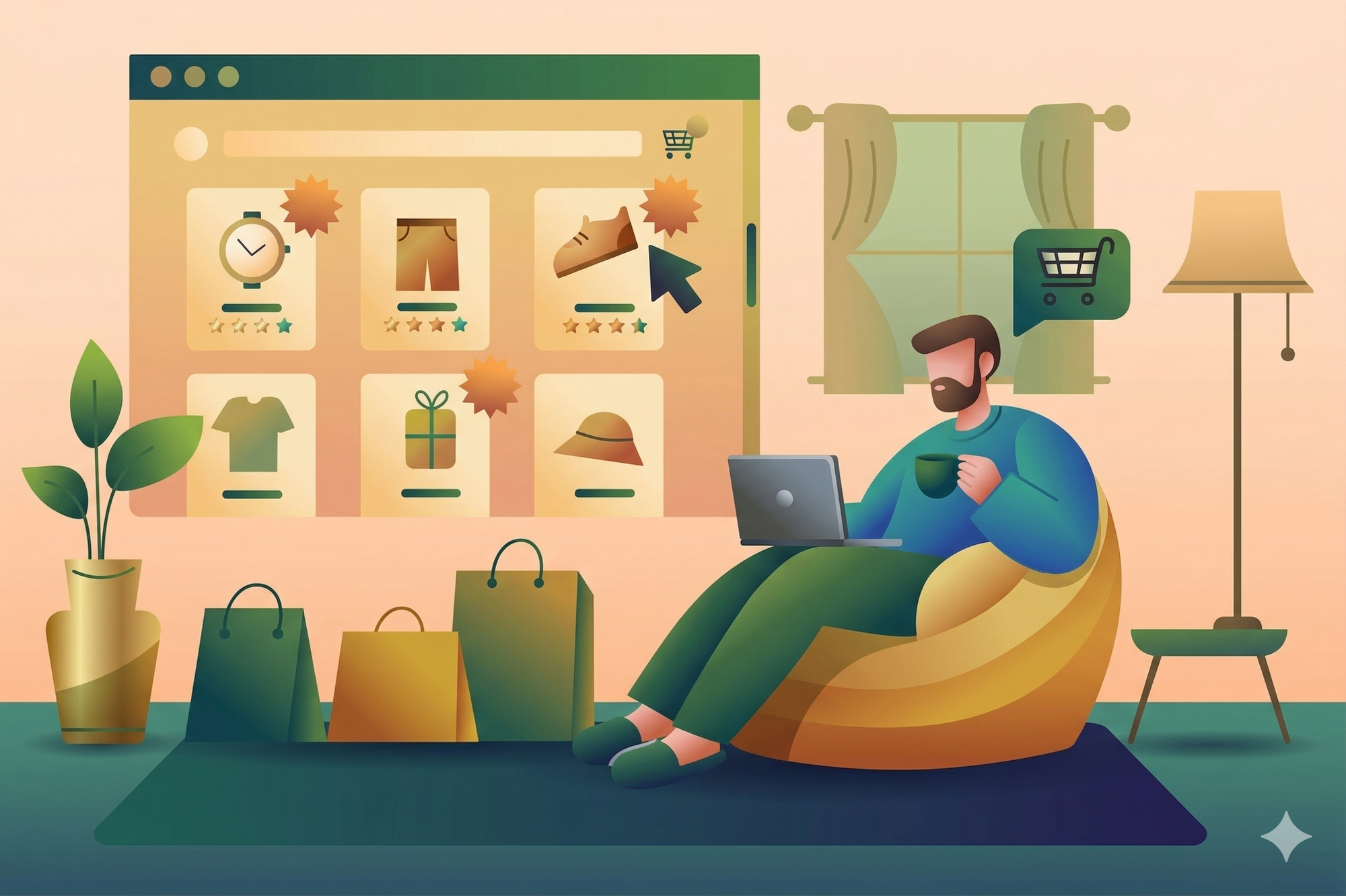
If you’ve ever planned a birthday, wedding, or baby shower, you probably remember the chaos. Duplicate gifts, endless group chats, awkward “what do you want?” conversations.
Digital registries quietly fix this.
A free online gift registry lets you centralize everything. People know exactly what you want, and you avoid the awkwardness of returns or unused gifts.
It also works beyond big events. Even for smaller celebrations, having a shared list makes things smoother for everyone involved.
And because modern tools aren’t tied to a single store, you’re not limited in your choices. You can pull from anywhere, which makes the list feel more personal and less constrained.
Browser extensions make saving effortless
One of the subtle but powerful changes is how little effort it takes to save something now.
With a great shopping tool extension that users can rely on, you don’t need to copy links or switch apps. You just click once and move on.
That matters more than it sounds.
Because when saving is easy, you do it more often. And when you save more often, you make better decisions later. You’re not relying on memory or impulse. You’re building a curated list over time.
Tools like LMK.today merchants integrate smoothly into this flow, making it feel less like a separate task and more like part of browsing itself.
Shopping is becoming more social and shareable
Another shift that’s easy to overlook is how shopping has become something you share.
Not just reviews or links, but entire collections.
Whether you’re an influencer, a friend with good taste, or just someone planning a holiday list, being able to send a curated wishlist changes the dynamic. It turns shopping into a conversation rather than a solo activity.
You can:
- Share gift ideas without repeating yourself
- Send curated lists instead of random links
- Help others shop for you without confusion
It’s a small change, but it removes a lot of friction from everyday interactions.
The real benefit is clarity

All these tools point to one thing: clarity.
Less clutter. Fewer forgotten tabs. Fewer rushed decisions.
When everything is organized, tracked, and easy to access, shopping becomes less stressful and more intentional. You spend less time managing the process and more time actually choosing what matters.
And that’s probably the biggest change of all. Digital tools haven’t just made shopping faster. They’ve made it smarter.
Where this is all heading
If this trend continues, shopping will feel less like a series of isolated purchases and more like an ongoing system you manage.
Your wishlist becomes your memory.
Your price tracker becomes your timing strategy.
Your registry becomes your communication tool.
And platforms like LMK.today sit quietly in the background, connecting all of it without getting in the way.
You don’t need to overhaul how you shop overnight. But once you start using the right tools, it’s hard to go back to guessing, refreshing tabs, or losing track of things you actually wanted.
Because at some point, convenience stops being a luxury and starts feeling like the baseline.