Gifts That Feel Personal Without Being Customized
Gifts that feel personal focus on relevance and attention, using wishlists and observation to pick thoughtful, non-novelty items people will actually keep.

A mug with someone’s name on it can be sweet once. A pillow with a face printed on it can be funny for five minutes. But the gifts people actually keep using tend to be simpler than that. They feel personal because they show attention, not because they literally spell someone’s name in cursive.
That’s the sweet spot most people are looking for now. Something thoughtful without feeling overproduced. Something that says, “I know you,” without turning into novelty clutter six months later.
And honestly, this shift makes shopping a little harder. Generic gifts feel lazy. Fully customized gifts take forever, cost more, and sometimes land awkwardly. The middle ground is where the good stuff lives.
That’s also where tools like LMK.today quietly become useful. Not because they magically choose gifts for you, but because they make it easier to notice patterns in what people already love.
The best personal gifts usually start with observation
The easiest mistake during gift shopping is assuming “personal” means “unique.”
It usually just means relevant.
A great gift often feels obvious in hindsight. The cookbook for the friend who keeps sending restaurant photos. The carry-on upgrade for the person always booking weekend flights. The oddly expensive candle someone would never buy for themselves but absolutely loves receiving.
None of those are customized. They’re just accurate.
That’s why wishlists have become less transactional and more revealing. Browsing someone’s saved items can tell you far more than asking vague questions like, “What do you want for your birthday?”
On LMK.today Wishlists, people build collections from different stores instead of keeping scattered screenshots, tabs, and forgotten bookmarks. You start noticing the little themes. Maybe they’re slowly building a home coffee setup. Maybe they’re replacing fast fashion with better basics. Maybe they suddenly care about linen bedding for reasons nobody fully understands after age thirty.
That context matters more than customization ever could.
Some gifts feel personal because they remove friction
A surprisingly thoughtful gift isn’t always sentimental. Sometimes it just makes someone’s life noticeably easier.
That could mean:
- A better weekender bag for constant travelers
- A meal subscription for exhausted new parents
- A proper desk chair for the friend pretending their back pain is temporary
Useful gifts get a bad reputation because people associate “practical” with boring. But practical becomes deeply personal when it solves a problem the recipient has quietly tolerated for too long.
This is especially true during the holidays, when people are overwhelmed with random stuff they didn’t actually need.
The people who are best at gifting usually pay attention to inconveniences. They notice what someone complains about repeatedly. They notice what someone keeps postponing buying for themselves.
And if you’re trying to stay budget-conscious while doing this, a good price tracker app matters more than people think. Watching prices across multiple stores manually is exhausting. Using something like LMK.today Deals or tools that track prices across stores means you can wait for the right moment instead of panic-buying at full price two days before an event.
Price tracking sounds unromantic until it saves you $80 on the exact gift someone genuinely wanted.
The most memorable gifts often feel slightly specific
There’s a certain kind of gift that makes people pause for a second before saying, “Wait... how did you know I’d like this?”
That reaction usually comes from specificity.
Not expensive specificity. Just observant specificity.
A framed print from a tiny artist they follow online. A cookbook from the café they mentioned once six months ago. A vintage-looking tennis sweater for someone currently obsessed with tennis but not enough to buy merch.
These gifts work because they feel curated instead of mass-selected.
Ironically, online shopping should make this easier, but it often does the opposite. Too many tabs. Too many saved posts. Too many “I’ll come back to this later” moments that disappear forever.
That’s why people have started using tools that let them create online wishlists from any store instead of relying on single-retailer registries. With LMK.today Products, the process feels less like managing a registry and more like collecting ideas over time.
The result is better gifting because people’s actual tastes become visible.
Not just whatever happens to be available on one department store website.
Group gifting works better when everyone can actually see the plan
One underrated reason gifts feel impersonal is simple chaos.
Nobody knows who’s buying what. Someone buys duplicates. Someone overspends trying to compensate for everyone else forgetting. Group chats become spreadsheets with emojis.
A shared registry fixes more emotional stress than people admit.
And modern registries are no longer limited to weddings and baby showers. People now create free online gift registries for birthdays, housewarmings, graduations, holidays, and even moving abroad.
The key difference is flexibility.
On LMK.today Merchants, users can pull items from multiple retailers into one place instead of forcing guests into a single ecosystem. That makes the entire experience feel less formal and much more natural.
It also helps avoid the classic problem where someone receives ten decent gifts instead of one genuinely meaningful thing everyone could have contributed toward.
The Chrome extension angle is more useful than it sounds
Most people don’t intentionally build great gift lists.
They stumble into them.
You see a jacket in February. A lamp in April. A book in July. By December, you vaguely remember none of it.
That’s where browser tools quietly become essential.
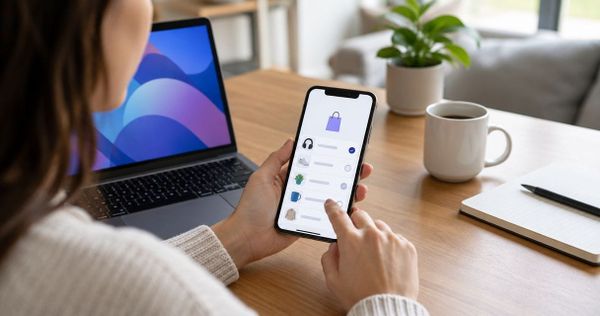
Using a best shopping tool extension Chrome users can save items with while casually browsing is much easier than maintaining a mental wishlist. The LMK.today Chrome Extension turns random discovery into something organized without interrupting how people already shop online.
And honestly, that changes gifting more than personalization ever did.
Because the best gifts are rarely invented during a frantic last-minute search. They’re collected gradually through attention.
The internet made gifting noisier, not better
Gift guides used to feel helpful. Now half of them read like someone trying to hit affiliate quotas before midnight.
Everything is “must-have.” Everything is “viral.” Everything is apparently life-changing.
People are tired of that tone.
What most shoppers actually want is confidence. They want to feel like the gift connects to a real person instead of an algorithmically approved trend cycle.
That usually means slowing down enough to notice taste, habits, routines, and passing comments.
A good holiday gift registry helps organize that process. A smart wishlist tool helps preserve those observations before they disappear. Price tracking helps make thoughtful gifts more affordable without the stress spiral.
But the emotional part still comes from paying attention.
That part can’t really be automated.
A good gift feels like recognition
The gifts people remember years later are rarely the loudest ones.
They’re the gifts that made them feel understood.
Not exposed. Not analyzed. Just seen clearly for a moment.
And interestingly, that feeling doesn’t require customization at all.
Sometimes the most personal gift is simply the thing someone wanted but never expected another person to notice.