Everyday Purchases That Make Your Home Feel More Expensive
Everyday purchases like warmer bulbs, matching textiles, and curated trays can make a home feel more expensive while staying budget-friendly.
There’s a certain kind of home that instantly feels put together.
Not necessarily bigger. Not filled with designer furniture. Just calm, intentional, and oddly expensive in a way you can’t fully explain.
Usually, it comes down to small things.
A matching set of towels instead of three random ones from different years. Softer lighting. A tray on the coffee table that somehow makes everything look curated. The kind of upgrades people notice without realizing why the room suddenly feels better.
The good news is that creating that feeling rarely requires a renovation budget. Most of the time, it’s everyday purchases people overlook because they seem too practical to matter.
Ironically, those are often the things that change a space the most.
Lighting Is Doing More Work Than Your Furniture
One harsh ceiling light can make an entire room feel cheaper than it is.
This is probably the fastest fix in any home, especially rentals where changing larger pieces isn’t realistic. Swapping cool-toned bulbs for warmer lighting instantly softens a space and makes it feel more layered.
Table lamps help too. So do dimmable bulbs. Even a small rechargeable lamp on a shelf can create the kind of ambient lighting people associate with boutique hotels and expensive apartments.
The interesting thing is that lighting rarely looks impressive in a product photo. It’s one of those purchases you only appreciate once you live with it for a few days.
That’s why it helps to save ideas as you come across them instead of panic-buying when redecorating. Tools like LMK.today make this surprisingly easy because you can create online wishlists from multiple stores instead of keeping twenty tabs open and forgetting where you found that perfect lamp.
And if you’re waiting for sales season, using a price tracker app is smarter than manually checking the same product every week.
Matching Basics Quietly Elevate Everything
Luxury spaces tend to feel cohesive, not crowded.
That usually comes from consistency more than extravagance.
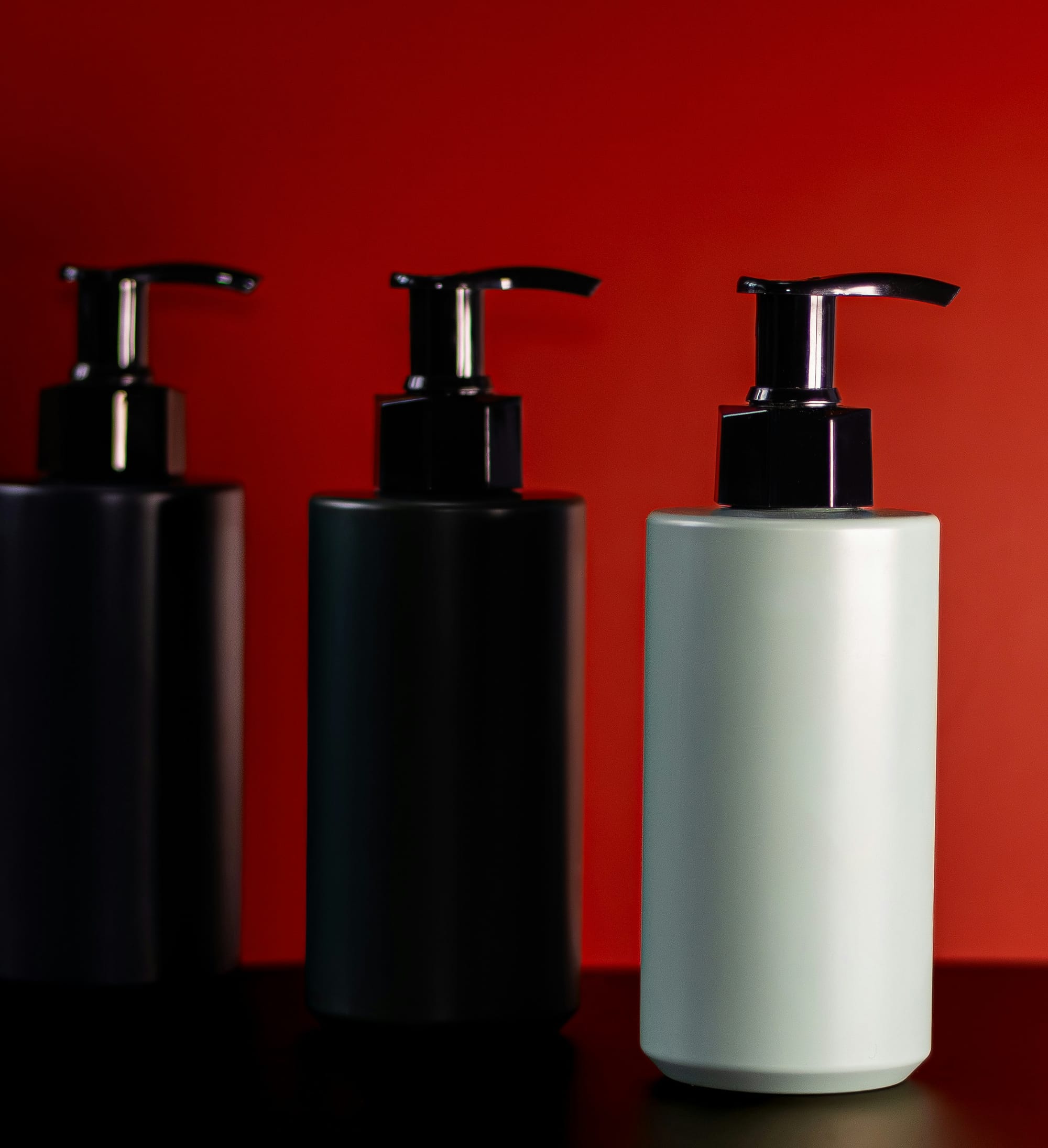
Matching hangers. Coordinated soap dispensers. Neutral storage baskets. Proper bedding. These things sound boring until you realize they create visual calm without trying too hard.
One of the easiest upgrades is replacing mismatched packaging around your home. A simple hand soap bottle beside the sink genuinely changes how a bathroom feels. Same with decanting laundry supplies or using proper containers in the kitchen pantry.
People underestimate how much visual clutter affects a room.
If you’ve ever screenshot home decor ideas and forgotten where products came from, this is where wishlist tools become useful in real life. Instead of scattered screenshots and buried browser bookmarks, you can build a wishlist across stores and slowly collect pieces that actually work together.
That approach almost always leads to a better-looking home than impulse shopping does.
Better Bedding Feels Expensive Immediately
Some purchases are visible upgrades.
Others are emotional upgrades.
Good bedding is both.
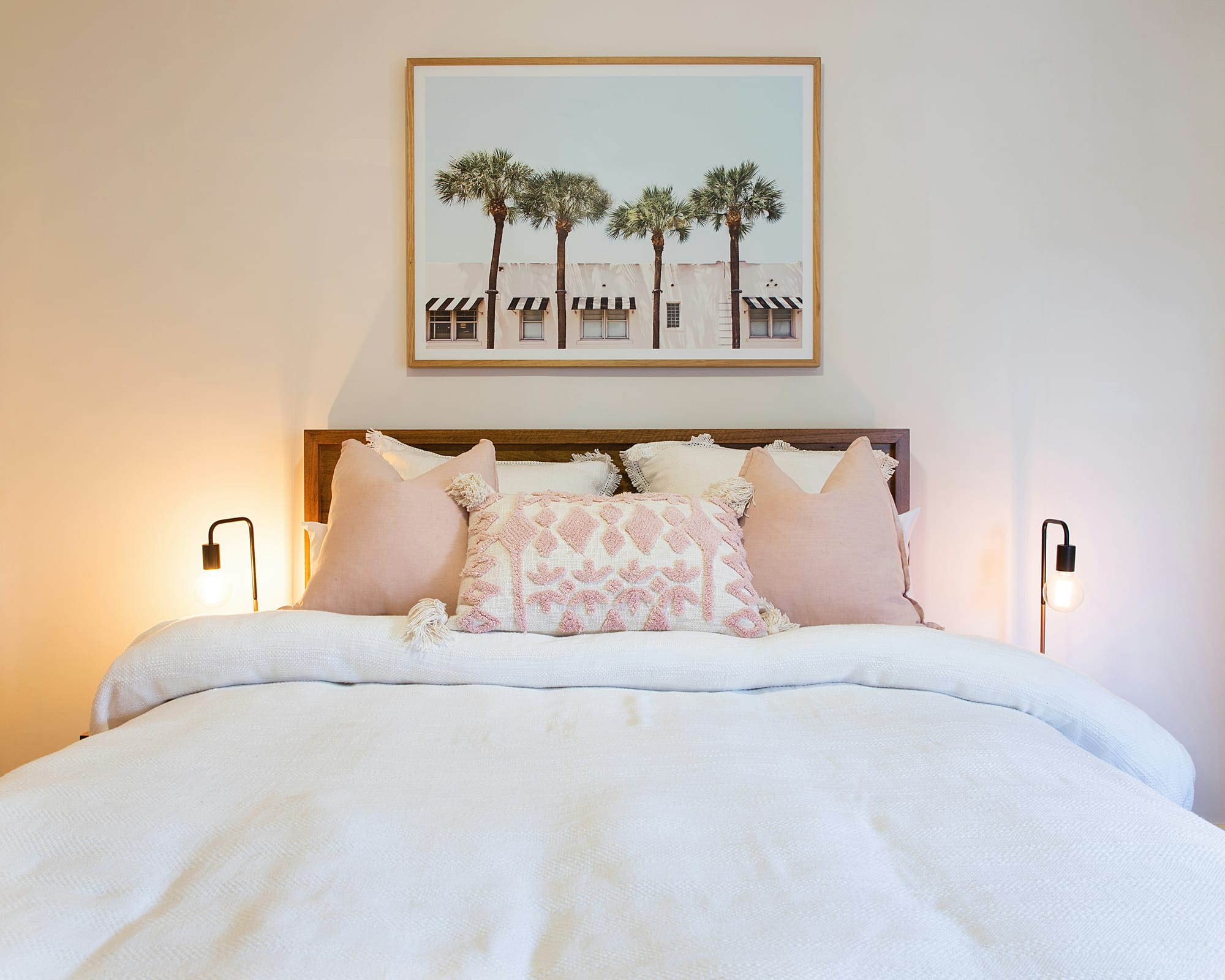
You notice it every single day, which makes it one of the few home purchases that actually earns its cost over time. Crisp sheets, heavier pillowcases, a duvet that feels cloud-like instead of flat. These details make bedrooms feel finished even when the rest of the room is simple.
And oddly enough, expensive-looking bedrooms are usually less decorated.
They rely more on texture than clutter.
A linen duvet cover. Two large pillows instead of six decorative ones nobody uses. Soft neutral layers. A throw blanket that doesn’t scream “holiday clearance bin.”
This is also where price tracking matters more than people realize. Bedding brands constantly rotate discounts, especially around holidays. Instead of rushing into full-price purchases, shoppers who track prices across stores usually end up getting noticeably better quality for the same budget.
Your Bathroom Should Feel Slightly Hotel-Like
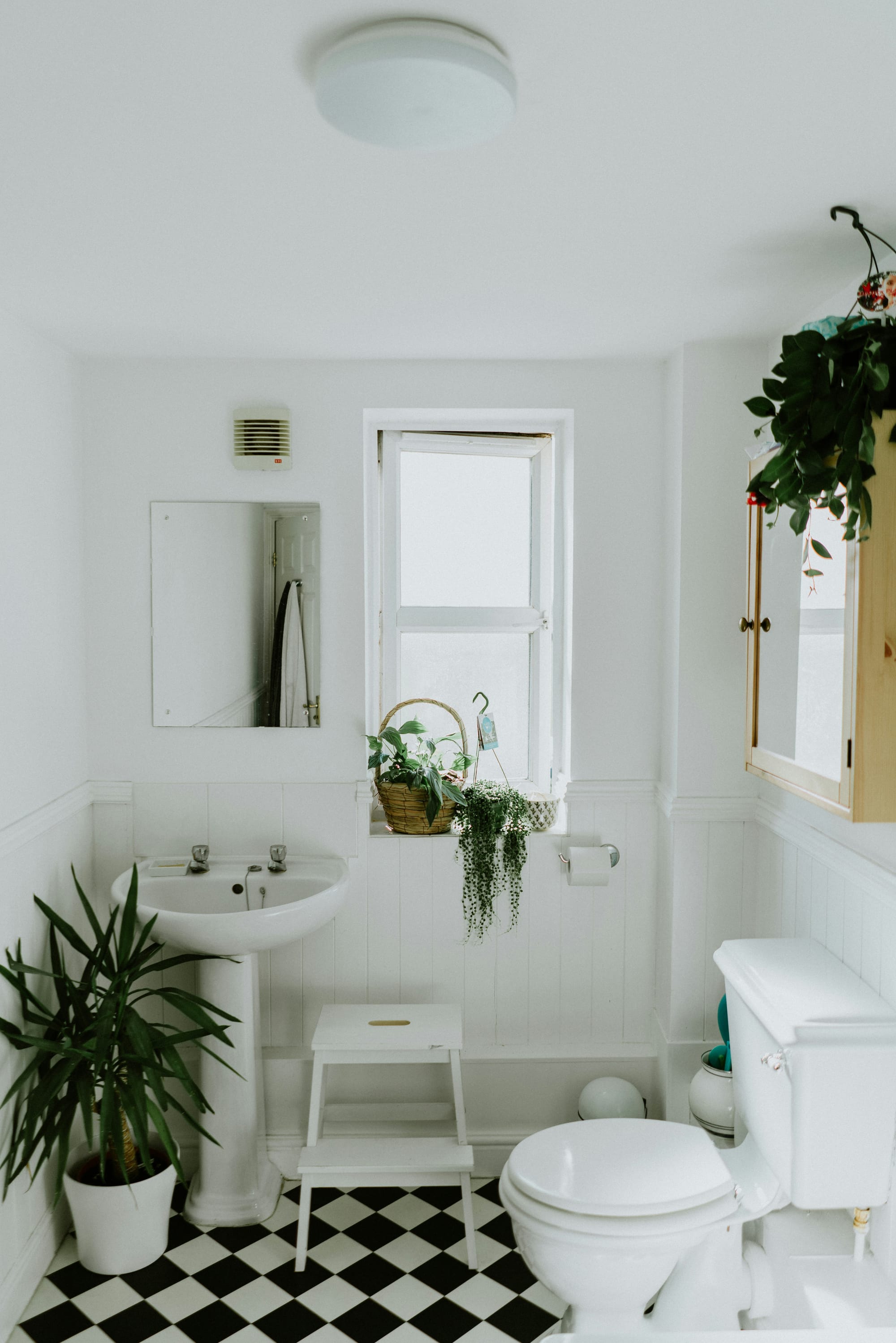
Not in a sterile way.
More in a “someone thought this through” kind of way.
Thick towels make a difference. So does proper lighting near the mirror. Even small upgrades like a bath mat that actually fits the room properly can change the entire feel of the space.
Bathrooms are interesting because they don’t need many items to feel elevated. In fact, fewer visible products usually looks better.
A tray for skincare. Folded towels instead of hanging everything everywhere. A candle you actually light occasionally instead of purely decorative clutter.
The best part is that these upgrades are gradual. Nobody redesigns a bathroom overnight. Most people collect pieces over time, especially when they save products from multiple retailers in one place using tools like the LMK.today Chrome extension.
It’s basically the modern version of keeping a “someday” folder for your future home.
Except you can actually organize it.
One Good Scent Changes the Entire Mood
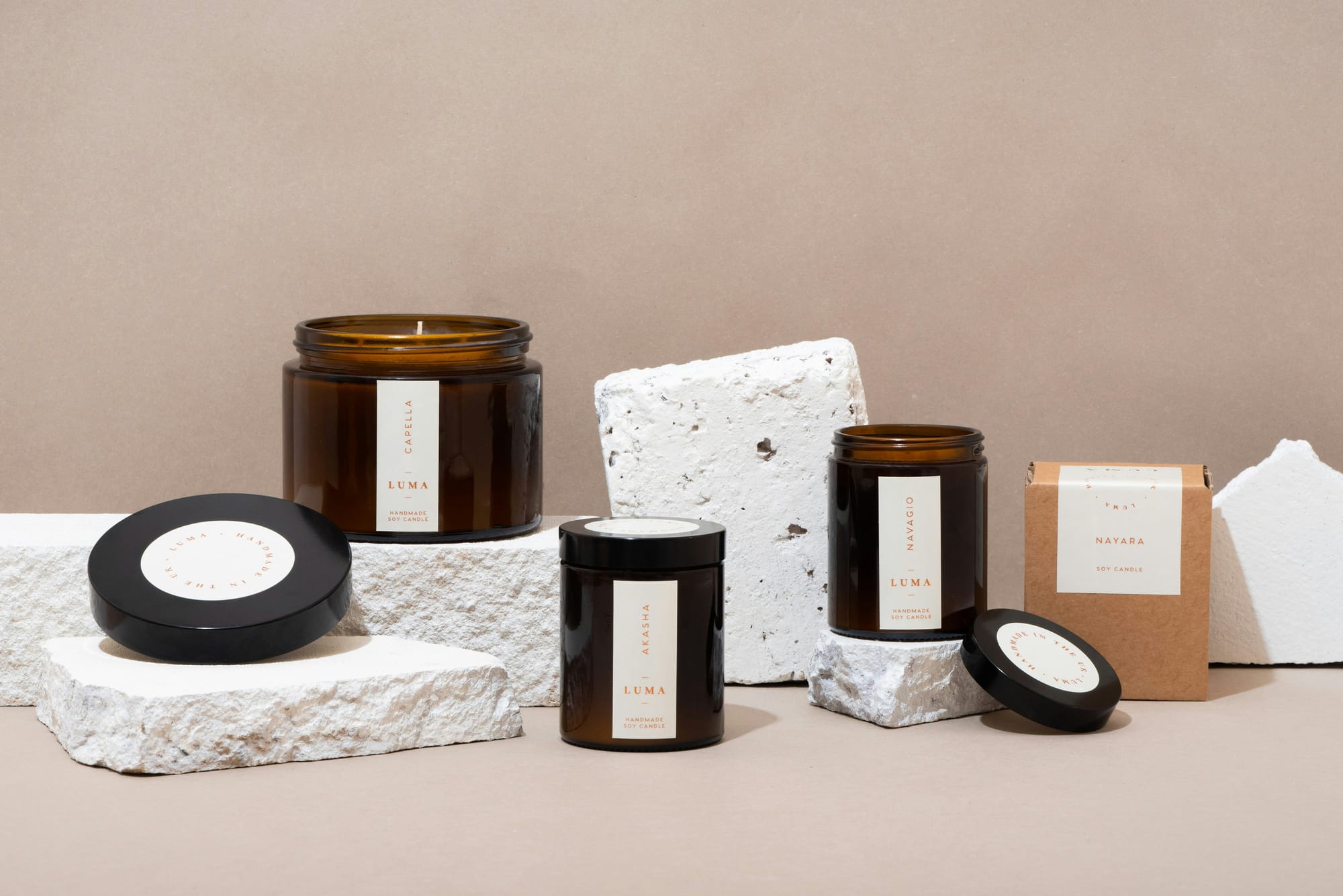
This sounds dramatic until you walk into a room that smells incredible.
Suddenly everything feels cleaner and more intentional.
Candles help, obviously, but reed diffusers, room sprays, and subtle laundry scents tend to create a more consistent atmosphere. The key is restraint. Overpowering fragrance has the opposite effect.
Luxury spaces rarely smell loud.
They smell clean, warm, or faintly woody in a way you notice after a few minutes.
This is also one of the easiest gifts to save for later, especially if you’re building a holiday gift registry or sharing home recommendations with friends. Instead of sending random links through group chats, you can organize everything into one free online gift registry or wishlist people can actually revisit later.
Which is much more useful than “wait, which candle was that again?”
The Most Expensive-Looking Homes Aren’t Usually Overdecorated
That’s probably the biggest misconception.
People assume luxury means more stuff when it usually means better choices.
More breathing room. Better textures. Fewer random purchases.
The homes that feel elevated tend to evolve slowly because the people decorating them are intentional about what comes in. They save ideas. Compare prices. Wait for the right version instead of buying the fastest option available at 1 AM.
That process matters more than people think.
Especially now, when there are tools that make organizing purchases less chaotic. Being able to save products from different retailers, create online wishlists, or use a best shopping tool extension Chrome users actually keep installed removes a lot of the friction from decorating thoughtfully.
And honestly, that’s probably the real secret behind homes that feel expensive.
Not unlimited budgets.
Just fewer rushed decisions.