Best Wellness Products That Fit Into a Busy Schedule
Best wellness products for busy schedules that save time and reduce friction, from hydration reminders to sleep aids, so small upgrades improve daily routines.

There’s a certain kind of exhaustion that doesn’t come from doing too much. It comes from switching between too many things too quickly.
One minute you’re replying to Slack messages, the next you’re ordering groceries while listening to a podcast about cortisol levels. Somewhere in between, you remember you were supposed to drink more water today.
Modern wellness has become oddly time-consuming. The routines are longer, the recommendations are louder, and somehow every self-care habit now requires its own shelf, subscription, or app.
That’s probably why more people are leaning toward wellness products that quietly fit into real life instead of interrupting it. Things that help without demanding a complete lifestyle reset.
The good ones are simple. They save time, reduce friction, and make daily routines feel slightly less chaotic.
And honestly, that’s enough.
Wellness products should make your life easier, not busier
A lot of “healthy habit” content assumes people have unlimited time and attention. Most don’t.
The best wellness products for busy schedules tend to work in the background. They remove little annoyances. They simplify decisions. They help you stay consistent without turning wellness into another full-time project.
That could mean:
- A water bottle that actually reminds you to hydrate
- Supplements organized into daily packs
- A sunrise alarm clock that makes waking up less aggressive
- A standing desk converter you can use without rearranging your apartment
- Sleep headphones that help your brain slow down faster at night
Small upgrades matter because they compound quietly.
If you’ve been trying to build healthier habits without overhauling your entire routine, browsing curated finds through LMK.today feels less overwhelming than bouncing between twenty tabs and forgetting what you originally wanted.
Especially when the goal isn’t perfection. It’s consistency.
The products people actually keep using
There’s a difference between buying something aspirational and buying something that survives daily life.
The wellness products people stick with usually share a few traits:
- Easy to use immediately
- Low maintenance
- Helpful during stressful weeks, not just ideal ones
- Portable enough to fit into existing routines
That’s why compact recovery tools have become so popular lately. Mini massage guns, heated eye masks, ergonomic lap desks, portable blenders. They don’t ask for a dedicated “wellness hour.” They fit into lunch breaks, commutes, or the 15 minutes before bed.
The same goes for digital wellness tools.
A lot of shoppers now use a price tracker app before buying wellness products because these categories fluctuate in price constantly. One week an air purifier costs $80 more for no reason. The next week it quietly drops during a flash sale.
Tracking prices across stores saves mental energy as much as money. You stop obsessively checking tabs every day.
And that matters more than people admit.
Wellness shopping gets messy fast
Here’s the thing nobody talks about: wellness shopping online is chaotic.
You see a creator recommend one product on TikTok, another on YouTube, then you forget both because you didn’t save them anywhere useful.
Soon your bookmarks are a disaster and your Notes app looks like evidence in a detective show.
This is exactly why more people now create organized wishlists instead of impulse-buying everything immediately.
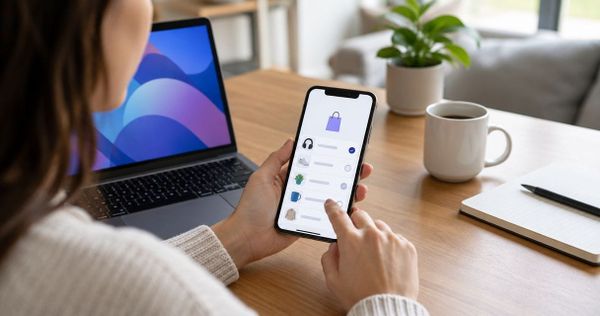
Using a tool that lets you create an online wishlist from any store makes wellness shopping feel less scattered. You can save supplements from one site, fitness gear from another, skincare from somewhere else, and compare everything later when your brain is less fried.
It’s surprisingly calming.
Also useful: sharing those lists with friends or partners who constantly ask what you actually want for birthdays or holidays.
A curated wellness wishlist is infinitely better than receiving another scented candle you’ll politely pretend to love.
The quiet rise of “low-effort wellness”
People are moving away from intense optimization culture.
You can feel it everywhere.
Instead of elaborate morning routines, people want frictionless habits. Instead of tracking 47 health metrics, they want products that help them feel slightly better without demanding constant attention.
That shift has changed what wellness products are becoming.
Some of the most practical options right now include:
Smart hydration bottles
Not revolutionary. Just helpful.
If you forget to drink water while working, subtle reminders genuinely work better than relying on memory alone.
Portable posture tools
Especially useful for people working remotely from couches, kitchen chairs, or whatever flat surface exists nearby.
Wearable sleep aids
Sleep masks with built-in audio or light pressure features are increasingly popular because they reduce stimulation without adding another complicated routine.
Compact kitchen wellness tools
Small blenders, matcha frothers, quick-clean air fryers. Products that reduce prep time tend to survive longer than “aspirational health gadgets.”
You can usually find curated product collections and seasonal recommendations through the LMK.today products page, which is useful if you want ideas without doom-scrolling social media for two hours.
Why price tracking matters more for wellness products
Wellness products are notorious for emotional pricing.
A product becomes trendy and suddenly costs 40% more because everyone panic-bought it after seeing one viral review.
That’s why smart shoppers increasingly use tools that can track prices across stores automatically instead of manually checking prices themselves.
The practical benefit is obvious: you save money.
But the less obvious benefit is decision fatigue disappears.
You stop hovering over “Buy Now” wondering if the price might drop tomorrow.
A good price tracker app handles the waiting for you. If something drops, you’ll know. If it doesn’t, you move on with your life.
That’s healthier behavior than stress-refreshing checkout pages at midnight.
Wellness gifting has changed too
A few years ago, gifting wellness products felt generic.
Now it feels thoughtful.
People are building wellness-focused holiday lists, sleep-improvement registries for new parents, fitness wishlists, even self-care gift collections for stressful work seasons.
The idea of a free online gift registry has expanded way beyond weddings and baby showers.
And honestly, it makes sense.
People would rather receive products they’ll genuinely use than random gifts chosen in a panic two days before shipping deadlines.
This becomes especially helpful during holiday shopping chaos. A shared wishlist cuts through the guesswork immediately.
No awkward “What do you want?” texts. No duplicate gifts. No pretending to love something you’ll donate quietly next month.
The Chrome extensions saving people from tab overload
One underrated productivity trick: stop relying on memory while shopping online.
If you constantly discover products you want to revisit later, a browser extension changes everything.
The LMK.today Chrome extension makes it easy to save products while browsing instead of opening endless tabs you swear you’ll come back to.
Most people never do.
This matters more than it sounds. Digital clutter creates mental clutter. Every open tab feels like a tiny unfinished task.
Saving items properly lets you close the tab and move on.
That’s weirdly therapeutic.
It also helps creators and influencers organize product recommendations more cleanly. Instead of messy screenshots or scattered affiliate links, they can build curated collections people actually want to browse.
Busy people don’t need perfect wellness routines
They need realistic ones.
The most useful wellness products are rarely the most dramatic or expensive. Usually, they’re the things that quietly remove friction from daily life.
Products that help you sleep faster. Drink more water. Sit more comfortably. Save money automatically. Stay organized without thinking too hard about it.
That’s the sweet spot.
And if there’s one thing worth remembering, it’s this: wellness should support your schedule, not compete with it.
The easier a habit fits into your existing life, the more likely it actually lasts.