Best Subscription Services That Actually Save Money
Best Subscription Services That Actually Save Money: practical guidance on which memberships cut spending, reduce impulse buys, and pair well with wishlists.

strange moment that happens when you open your banking app and realize half your monthly expenses are tiny recurring charges you barely think about anymore.
Streaming platforms. Grocery memberships. Cloud storage. Delivery apps. A meditation app you downloaded during a stressful week in February.
Subscriptions are easy to start and surprisingly hard to evaluate. Some quietly drain your budget. Others genuinely reduce what you spend every month without requiring spreadsheets or obsessive coupon hunting.
The difference usually comes down to one thing: whether the subscription changes your buying behavior in a useful way.
The best subscription services are not just “nice to have.” They help you avoid impulse purchases, stop overpaying, or save time in ways that turn into real money over time.
And increasingly, smart shoppers are pairing those services with tools like LMK.today, especially for tracking price drops, organizing purchases, and keeping wishlists from turning into chaotic browser tabs.
The subscriptions that earn their keep
Not every subscription deserves a spot in your monthly budget. But a few categories consistently pay for themselves when used properly.
Grocery and household delivery memberships
This is probably the easiest category to justify.
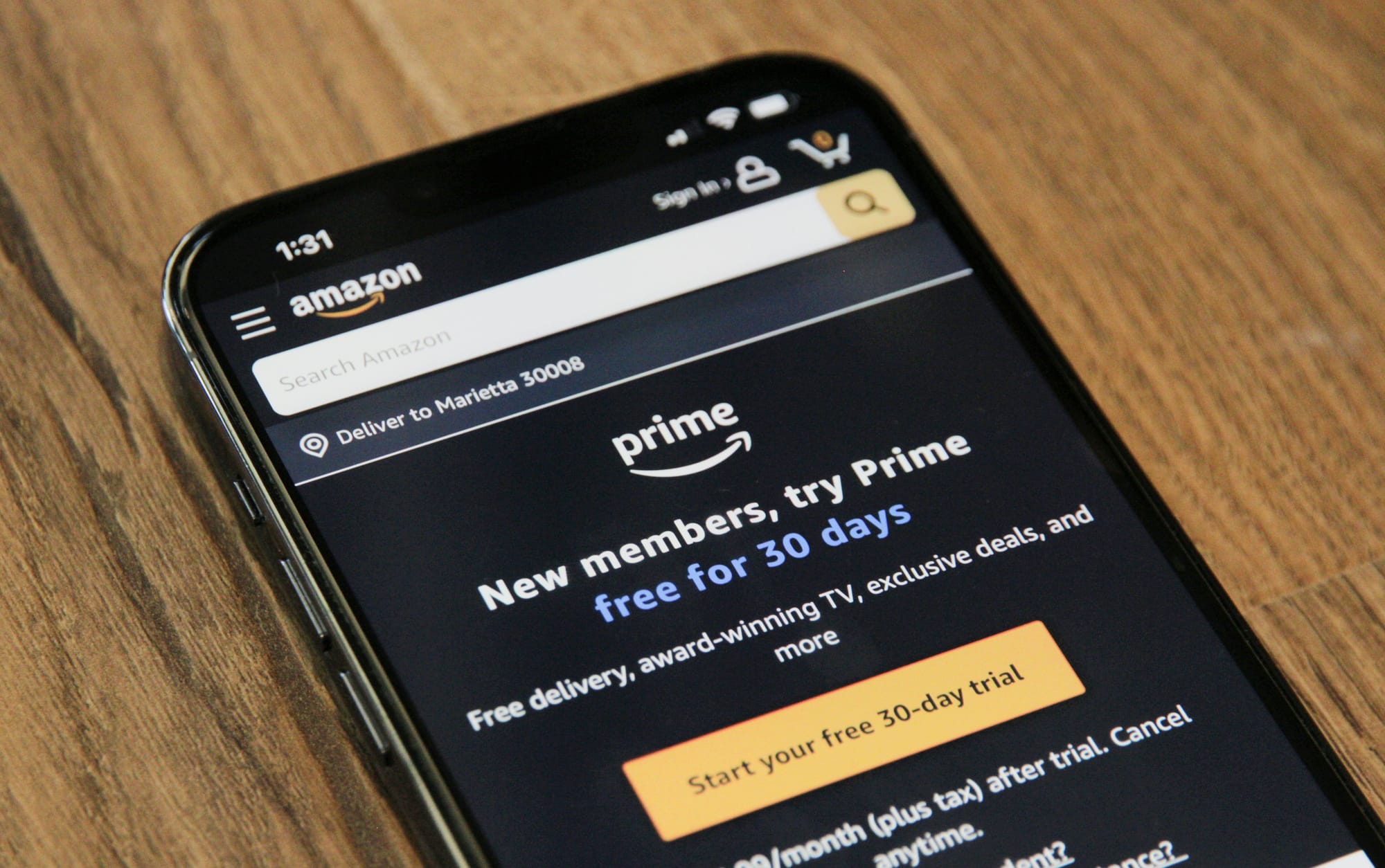
If you regularly order groceries, household essentials, or pet supplies, services like Amazon Prime, Walmart+, or Instacart+ can reduce delivery fees enough to offset the monthly cost quickly.
But the hidden benefit is less obvious: you make fewer expensive convenience purchases.
People tend to overspend when shopping reactively. Memberships encourage planned buying. You order what you need instead of grabbing random items during rushed errands.
This gets even more useful when paired with a proper wishlist system. A lot of shoppers now use tools that let them create online wishlists across multiple stores instead of keeping mental notes or screenshots. It sounds small, but organizing purchases before checkout cuts down on impulse spending more than most budgeting apps ever will.
If you’re shopping across multiple retailers, tracking prices becomes equally important. Nobody wants to discover a product dropped 30% a week after buying it.
That’s where a good price tracker app becomes genuinely useful instead of gimmicky.
Streaming subscriptions are only worth it if you rotate them
Most people don’t need five streaming services at the same time.
That’s the part companies quietly hope you ignore.
One of the smartest ways to save money is rotating subscriptions instead of stacking them permanently. Subscribe to one platform, finish what you want to watch, cancel, then move to another.
Simple. Weirdly effective.
A lot of households spend more on streaming than they used to spend on cable because every service feels individually affordable.
The trick is intentional use.
This is also where wishlist and registry tools unexpectedly help. During holidays or birthdays, people often subscribe to services temporarily for shared events, watch parties, or gifting. A well-organized holiday gift registry prevents duplicate spending and keeps gift planning from spiraling into panic buying two days before an event.
Good systems save money because they reduce decision fatigue.
That sounds dramatic, but it’s true.
Subscription tools that stop you from overpaying
Some subscriptions don’t deliver products or entertainment. They simply help you shop smarter.
Those are often the most underrated.
Browser extensions that automatically track pricing trends, alert you to discounts, or organize saved products can quietly shave hundreds off annual spending without much effort.
The best ones feel invisible.
A solid example is a shopping tool Chrome extension that lets you save items from almost any ecommerce site while tracking price changes in the background. Instead of reopening 17 tabs every week hoping for a sale, you get notified when prices actually drop.
That matters more than people think.
Most online shopping mistakes happen because of urgency. Limited-time sales, countdown timers, fake scarcity. Price tracking removes some of that pressure because you have actual historical context.
You know whether something is genuinely discounted or just pretending to be.
For people trying to track prices across stores, this becomes even more valuable during major sale seasons like Black Friday or Christmas when pricing changes constantly.
The best subscription might actually be a membership you already forgot about
One underrated exercise is checking every subscription you currently pay for and asking a brutally simple question:
“Would I sign up for this again today?”
A surprising number fail immediately.
Gym memberships you don’t use. Premium apps you forgot existed. Delivery perks for stores you no longer shop at.
Meanwhile, the subscriptions that consistently survive this test usually do one of three things:
- Save measurable time
- Reduce repeated purchases
- Prevent overspending
That’s why practical tools tend to outperform novelty subscriptions over the long term.
A free online gift registry, for example, sounds like something you only use for weddings. But people now use registries and shared wishlists for birthdays, baby showers, holiday planning, apartment moves, and even creator recommendations.
The real benefit is coordination.
Less duplicate buying. Less random spending. Fewer “what do you want?” group chats that somehow create more confusion instead of less.
And because platforms like LMK.today support products from different stores, you avoid locking yourself into a single retailer ecosystem.
That flexibility matters when prices fluctuate constantly.
Saving money is mostly about reducing friction

People often imagine frugality as intense budgeting or giving things up.
In reality, the biggest savings usually come from removing small points of friction.
Having organized wishlists means you buy intentionally.
Tracking prices means you stop panic-buying.
Rotating subscriptions means you stop paying for unused entertainment.
Registry tools reduce duplicate purchases and wasted spending during events.
None of this feels dramatic in the moment. But over a year, it adds up faster than most budgeting hacks people post online.
The subscription services that actually save money are the ones that quietly make better decisions easier.
Everything else is just another monthly charge hiding in your statement.