Best Purchases for Building Better Daily Habits
Best purchases for building better daily habits reduce friction so routines stick—practical, low-effort items that make drinking water, focus, and sleep easier.
Most people don’t fail at building habits because they’re lazy. They fail because their environment quietly works against them.
A phone within arm’s reach turns into an hour of scrolling. A cluttered desk makes deep work feel harder than it should. Even healthy habits like drinking more water or reading before bed tend to disappear when they require too much effort to maintain.
That’s why some of the best habit-building advice has very little to do with motivation. The real trick is reducing friction.
The right purchases can make good habits feel easier and bad habits slightly more annoying. That tiny difference matters more than most productivity systems ever will.
And no, this doesn’t mean buying a hundred “self-improvement” gadgets you’ll forget about next month. The best purchases for better daily habits are usually practical, quiet, and surprisingly boring. They simply remove excuses.
If you’ve ever wished your routines felt more automatic, these are the kinds of things actually worth spending money on.
A Water Bottle You Actually Want to Use
Hydration advice is everywhere, yet most people still forget to drink water consistently.
Part of the problem is friction. If your water bottle leaks, feels awkward, or disappears into a cabinet somewhere, you stop using it. A good insulated bottle fixes that by making hydration convenient instead of something you need to remember every hour.
The interesting thing is how often one small purchase creates a chain reaction. People who drink more water often snack less mindlessly, feel less sluggish during work, and naturally cut back on sugary drinks without forcing themselves to.
If you’re comparing brands or waiting for discounts, using a tool that can track prices across stores helps more than endlessly checking tabs yourself. Price tracking sounds small until you realize how much time people waste manually refreshing pages during sales.
That’s especially true during seasonal shopping events when prices bounce around constantly.
A Lamp That Makes You Want to Read Again
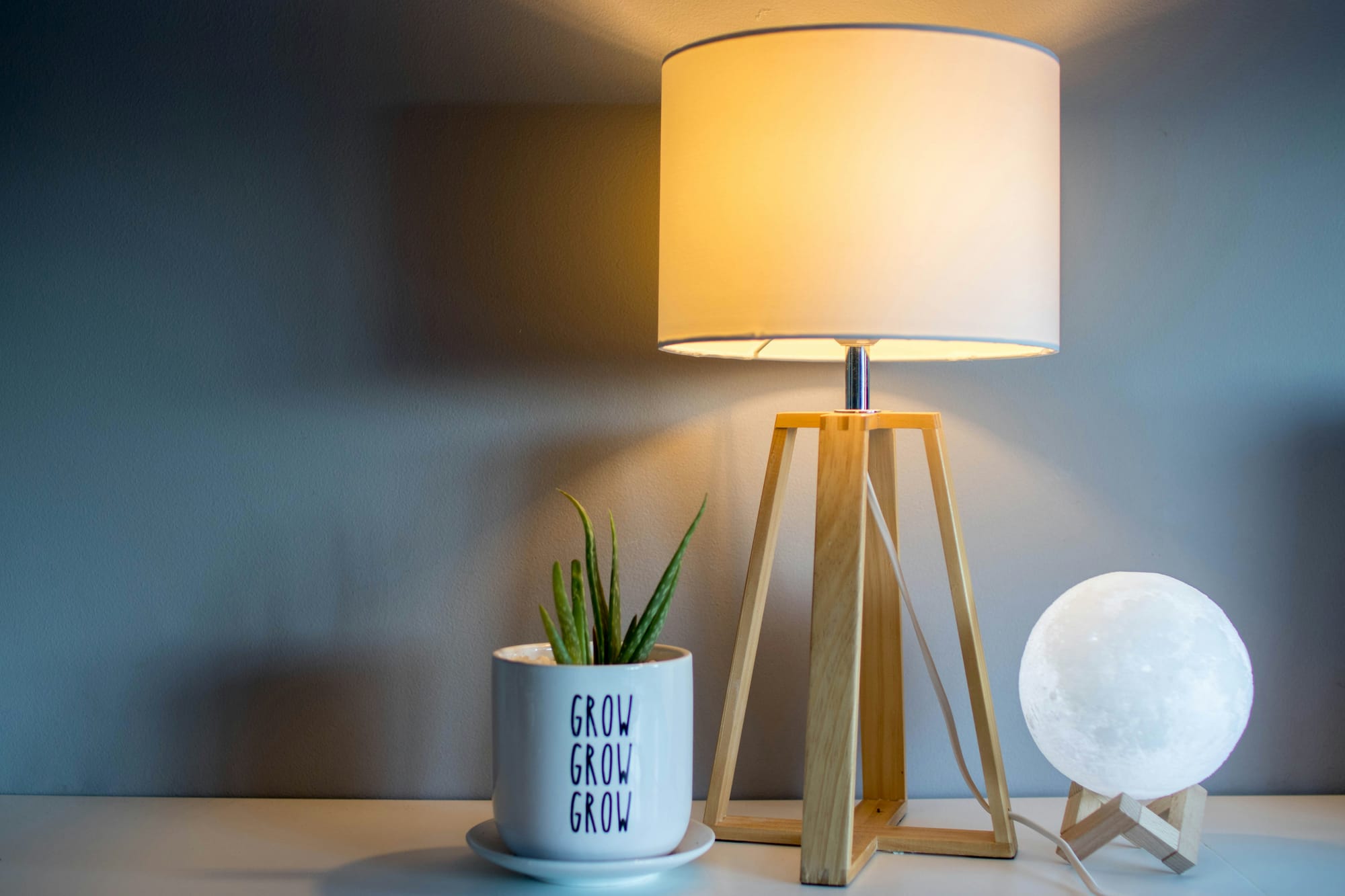
Reading habits rarely disappear because people stop liking books. Usually, the environment just becomes optimized for easier entertainment.
A warm desk lamp or bedside light sounds almost too simple to matter, but lighting changes behavior more than people think. Harsh overhead lighting makes winding down harder. Softer lighting creates a subtle cue that it’s time to slow down.
This is one of those purchases that improves a habit indirectly. You’re not buying “discipline.” You’re making the desired behavior feel more inviting.
People often spend hours researching productivity apps while ignoring physical spaces that shape behavior every day.
If you’re building a personal reading list, it also helps to create an online wishlist instead of scattering screenshots and saved links across random apps. Keeping everything organized in one place makes it easier to return to the habit later.
A Real Alarm Clock
Phones are terrible alarm clocks.
Not because they can’t wake you up, but because they immediately hand you social media, email, news alerts, and group chats before your brain fully turns on.
A dedicated alarm clock creates separation. That’s the important part.
Even placing your phone across the room changes your morning rhythm. You wake up with less noise, fewer notifications, and a slightly calmer start to the day. It sounds minor until you experience the difference for a week straight.
The best habit purchases are often the ones that remove temptations instead of adding more systems.
This is also where browser tools quietly become useful. A good shopping tool extension for Chrome can help save products while browsing without turning comparison shopping into a multi-hour project. One-click saving sounds trivial until you realize how much mental clutter comes from “I’ll look for that later.”
Good Headphones for Focus

Noise affects habits more than motivation does.
A distracting environment makes focused work exhausting. That’s why decent headphones are less about audio quality and more about protecting attention.
You don’t necessarily need premium noise cancellation either. Even comfortable headphones that signal “focus mode” can help create a mental routine around work, studying, journaling, or exercise.
The bigger point here is identity.
Habits stick better when they feel tied to who you are becoming instead of what you’re forcing yourself to do. Someone who puts on headphones to write every morning eventually starts seeing themselves as “a person who writes regularly.”
That identity shift matters.
If you’re researching products across different stores, using a price tracker app is far less stressful than trying to remember where you saw the best deal three days ago. Especially during holiday shopping seasons when prices change fast and unpredictably.
Kitchen Tools That Reduce Decision Fatigue
Healthy eating becomes dramatically easier when cooking feels convenient.
Not exciting. Convenient.
A rice cooker, air fryer, quality knife, or even simple glass meal prep containers can remove enough friction that home cooking stops feeling like a giant task after work.
People underestimate how much habits depend on energy levels. When you’re tired, you default to whatever feels easiest. Smart purchases shift the “easy option” in your favor.
This is why tiny conveniences matter more than grand wellness plans.
The same logic applies to shopping habits themselves. People often overspend because they buy impulsively instead of planning ahead. Keeping a running wishlist through a tool like LMK.today creates a pause between wanting something and purchasing it. That gap alone leads to better buying decisions.
Ironically, organizing purchases better usually results in buying less.
A Physical Notebook
Digital tools are useful, but there’s still something unusually effective about writing things down by hand.
A notebook creates focus because it only does one thing.
No notifications. No switching tabs. No accidental detours into unrelated apps.
People who journal regularly often notice patterns faster. Better sleep when they avoid screens late at night. More consistent workouts when they plan them ahead of time. Less mental clutter after brain-dumping tasks onto paper.
The notebook itself isn’t magic. The visibility is.
Habits improve when they stop living vaguely in your head.
And for people organizing goals, gift ideas, or future purchases, having a centralized system matters too. A free online gift registry or wishlist setup can surprisingly reduce stress around birthdays, holidays, weddings, and group gifting. It saves everyone from endless “what do you want?” conversations that somehow never get answered clearly.
The Purchases That Quietly Change Your Life
The funny thing about habit-building purchases is that the best ones rarely feel dramatic.
They don’t usually transform your life overnight. They simply make good choices easier to repeat.
A better lamp encourages reading. A water bottle encourages hydration. An alarm clock protects your mornings. Small environmental shifts compound quietly over time until routines stop feeling forced.
That’s the part most people miss.
Better habits are often less about becoming a different person and more about designing a life that makes consistency feel natural.
And when you combine that with smarter shopping tools, organized wishlists, and automatic price tracking, you spend less energy managing stuff and more energy actually using it well.
That’s probably the closest thing to a real productivity hack there is.