Best Products That Help You Stay Consistent With Healthy Habits
Healthy habits products that reduce friction—smart bottles, meal prep tools, and simple organizers—to help you build routines that last beyond a few weeks.

Healthy habits usually fail in the least dramatic way possible.
Not because people are lazy. Not because motivation disappears overnight. Most of the time, it’s simpler than that. The water bottle gets left behind. Meal prep turns into takeout after a long day. The fitness app sends too many notifications, so you mute it and forget it exists.
Consistency is rarely about discipline alone. It’s about removing friction.
That’s why the best wellness products are often the least exciting ones. They quietly make healthy choices easier to repeat. They save time, reduce mental clutter, and fit naturally into everyday life instead of demanding a total lifestyle overhaul.
The good news is that there are more genuinely useful tools for healthy living now than ever before. The hard part is figuring out which ones actually help and which ones become another forgotten purchase sitting in a drawer.
If you’re trying to build routines that last longer than two weeks, these are the kinds of products worth paying attention to.
Smart Water Bottles That Make Hydration Less Forgettable
Most people know they should drink more water. The issue is remembering to do it consistently while juggling everything else.
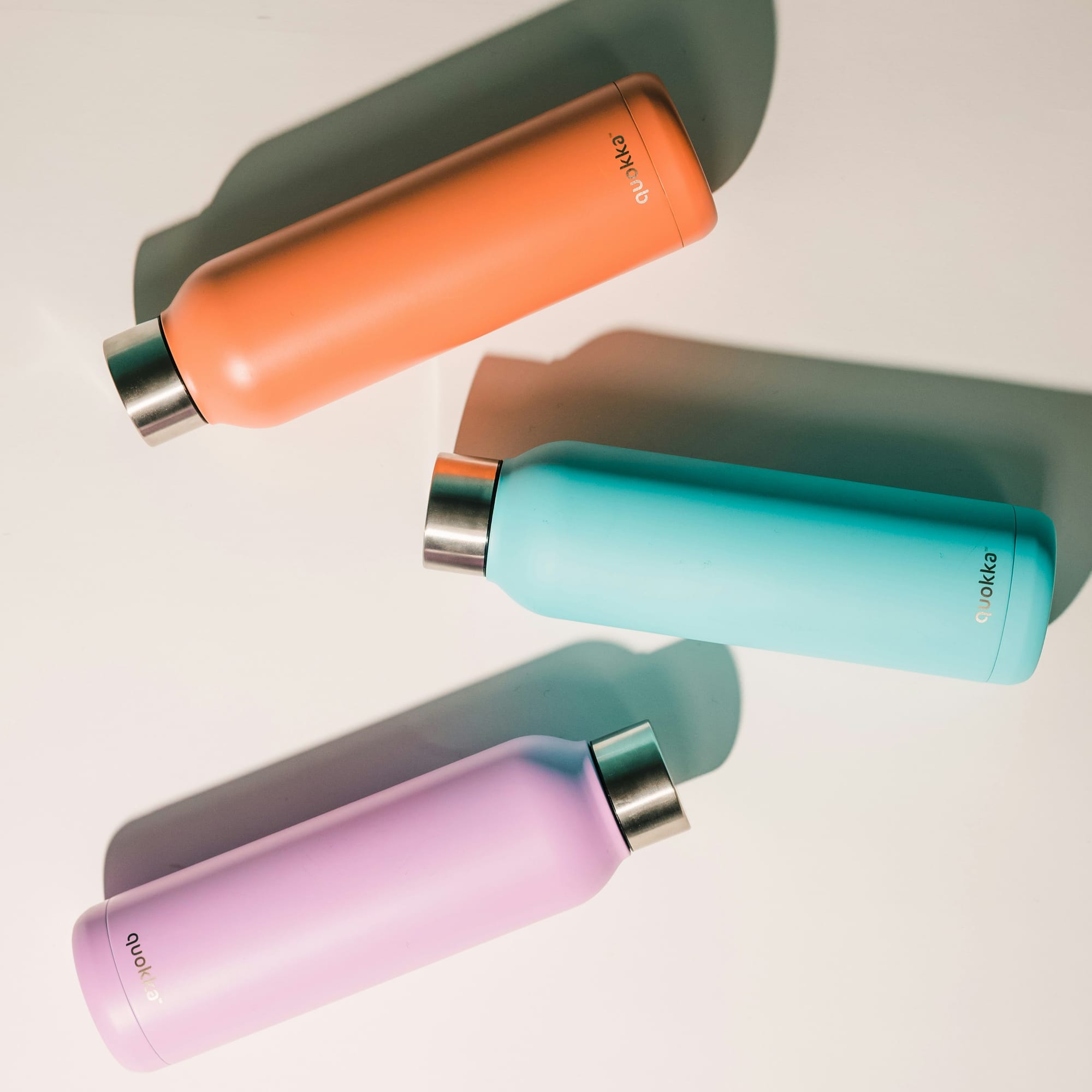
Smart water bottles solve a surprisingly common problem: out of sight, out of mind.
Some track your intake automatically. Others glow gently throughout the day as reminders. It sounds unnecessary until you realize how easy it is to go six hours fueled entirely by coffee.
Popular options like HidrateSpark have become favorites because they turn hydration into a passive habit instead of another thing you need to actively track. The less effort required, the more likely the habit sticks.
This is also where organizing tools matter more than people think. Saving wellness products into one place instead of opening twenty tabs later makes healthier routines easier to maintain over time. A tool like LMK.today works well for this because you can build wishlists from different stores without losing track of what you actually wanted to buy in the first place.
That sounds small until you’ve spent thirty minutes trying to remember which magnesium supplement or water bottle someone recommended.
Fitness Trackers Work Best When They Stay Quiet
The first generation of fitness gadgets felt oddly aggressive. Constant buzzing. Endless metrics. Daily reminders that somehow made exercise feel more stressful.
The better products today are calmer.
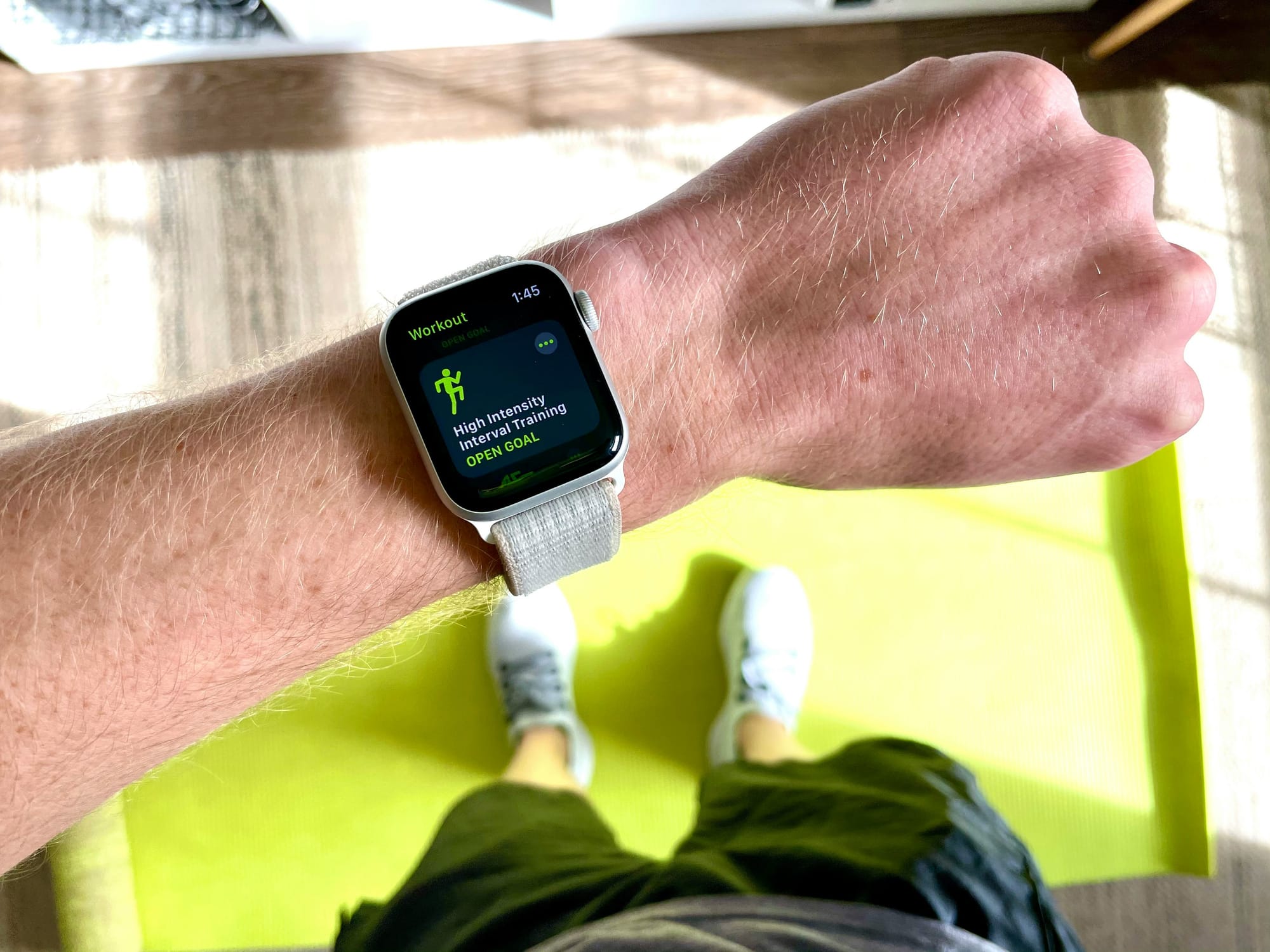
A good fitness tracker should help you notice patterns, not guilt you into becoming a different person overnight.
Devices from brands like Fitbit, Garmin, and Apple still dominate because they make health data easier to understand at a glance. Sleep quality, heart rate trends, walking habits, recovery levels. Not perfect science, but useful enough to create awareness.
The real benefit is momentum.
When you notice you naturally walk more after dinner or sleep better after limiting late-night scrolling, healthy habits stop feeling abstract. They become visible.
And if you’re shopping for wearable tech, price tracking matters more than ever. Fitness products fluctuate constantly during seasonal sales, especially around holidays and major shopping events. Using a price tracker app instead of manually refreshing product pages every week is honestly one of the healthier habits for your wallet too.
Nobody needs to monitor Amazon tabs like a full-time job.
Meal Prep Products That Remove Decision Fatigue
Healthy eating gets framed as a nutrition problem when it’s often a logistics problem.
People don’t suddenly crave fast food because they forgot vegetables exist. They order takeout because they’re tired and hungry and standing in front of an empty fridge.
The best meal prep tools reduce the number of decisions required later.
Glass food containers are still undefeated here. They last longer, reheat better, and make leftovers look less depressing than cloudy plastic containers from 2017.
A decent blender helps too, especially if making breakfast quickly is the difference between eating something nutritious and skipping meals entirely.
Air fryers deserve their popularity for one reason: convenience. Healthy food that cooks faster usually wins over healthy food that takes an hour.
The important thing is finding products that realistically fit your life instead of your imaginary ideal routine.
This is also why creating a wishlist can surprisingly help with consistency. When you create an online wishlist, you stop impulse-buying random “wellness” products and start curating things you’ll genuinely use. There’s a difference between aspirational shopping and practical shopping, and your kitchen usually knows the truth.
Sleep Products Are Finally Getting Less Ridiculous
For a while, sleep wellness became weirdly overcomplicated.
People were taping their mouths shut, buying military-grade blackout systems, and tracking seventeen sleep variables while staying awake stressed about their sleep score.
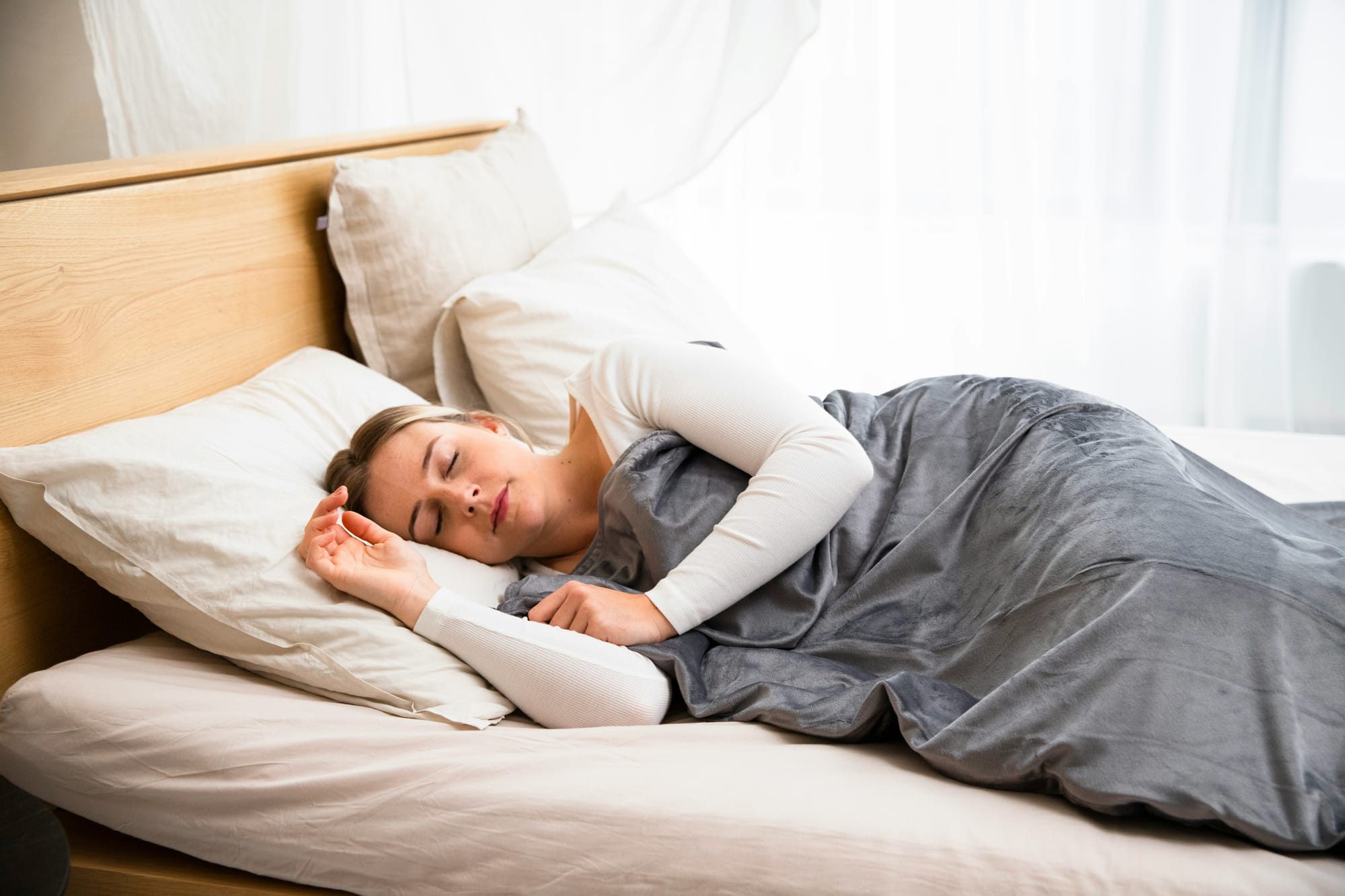
The most effective sleep products are usually simple.
A good blackout curtain. A white noise machine. A supportive pillow. A sunrise alarm clock that wakes you up gradually instead of launching your nervous system directly into panic mode.
The reason these products matter is because better sleep quietly improves almost every other healthy habit too.
People exercise more consistently when rested. They snack less impulsively. They focus better. They have more patience. Sleep isn’t a separate category of wellness. It’s infrastructure.
And unlike trend-driven wellness gadgets, sleep products tend to be worth researching carefully before buying. This is where being able to track prices across stores becomes useful. A quality mattress topper or ergonomic pillow can vary wildly in price depending on timing.
Waiting a few weeks for the right deal often saves more money than people expect.
Habit-Friendly Tech Should Feel Invisible
The healthiest routines usually happen when technology fades into the background.
That’s why smaller tools often outperform flashy wellness trends over time.
A standing desk converter that encourages movement during work hours. Blue light glasses you actually remember to wear. A compact walking pad under your desk. A meal planning app that doesn’t require a thirty-minute setup process.
The goal isn’t optimizing every second of your day. It’s making healthy behavior slightly easier than unhealthy behavior.
Even browser tools can help with this in indirect ways. If you spend time researching products, recipes, supplements, or wellness gear online, using a shopping tool extension for Chrome can reduce the chaos of scattered tabs and forgotten links. Saving items instantly while browsing sounds basic, but systems that reduce friction are usually the ones people continue using.
That’s true for wellness in general.
The best habits are often the easiest ones to repeat.
Wellness Products Also Make Surprisingly Good Gifts
There’s a reason practical wellness gifts keep getting more popular.
People want things they’ll genuinely use.
Not novelty gadgets that become clutter after three days.
A quality walking shoe. A smart mug that keeps coffee warm during work. Resistance bands for quick home workouts. A massage gun after long shifts. Even simple things like ergonomic office accessories can meaningfully improve daily routines.
This is also where online registries have quietly expanded beyond weddings and baby showers.
People now build wishlists for birthdays, holidays, apartment upgrades, fitness goals, and personal milestones. A free online gift registry makes much more sense when you realize most adults would rather receive something useful than another random candle set.
Especially if it supports habits they’re already trying to build.
Healthy Habits Usually Need Better Systems, Not More Motivation
Most people already know what healthy habits look like.
Drink more water. Sleep more consistently. Move your body. Eat food that makes you feel better afterward.
The difficult part is building an environment where those choices happen more naturally.
That’s where the right products can genuinely help. Not because they magically transform your life, but because they remove enough friction to keep you going on ordinary days.
And ordinary days are where habits are actually built.
You don’t need a perfect wellness routine. You need products, systems, and tools that make consistency feel realistic instead of exhausting.
Usually, the healthiest thing you can do is make good habits easier to return to tomorrow.