Best Products for People Trying to Reduce Screen Time
Best products for people trying to reduce screen time that make offline life easier, curb habit loops, and replace phone-first routines with simple, practical.

There’s a specific kind of exhaustion that comes from staring at screens all day. Not the dramatic “digital detox” kind people post about before disappearing into the woods for 48 hours. Just the regular, low-grade fatigue of jumping between notifications, tabs, messages, and videos until your brain feels permanently open in the background.
Most people are not trying to quit technology. They just want a little less of it.
That’s why the best products for reducing screen time are not necessarily anti-tech. They’re products that make offline life easier to return to. Small things that interrupt the habit loop without turning daily life into a wellness performance.
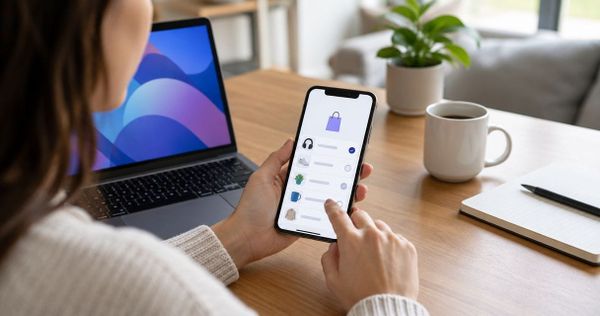
Ironically, shopping for those products can become its own rabbit hole. Ten tabs open. Endless comparisons. Forgotten bookmarks. This is where tools like LMK.today quietly make the process less chaotic. You can save ideas from different stores into one place, track price drops, and stop reopening the same tabs every night pretending you’re “still researching.”
Because sometimes reducing screen time starts with spending less time online shopping too.
The products that actually help you disconnect
Not every “digital wellness” product deserves space in your home. Some are gimmicks disguised as mindfulness. The useful ones tend to solve a practical problem first.
A real alarm clock
This one sounds obvious until you realize your phone is still the first thing you touch every morning and the last thing you see at night.
A dedicated alarm clock removes the excuse to keep your phone by the bed. That alone changes a surprising amount. Fewer accidental doomscrolling sessions. Less checking notifications at 1:12 AM “for a second.”
The best versions are intentionally simple. Soft lighting. Physical buttons. No apps demanding updates.
If you’re comparing options across different stores, using a tool that helps you track prices across stores can save you from overpaying for what is essentially a clock with good branding.
E-readers that don’t behave like tablets
Reading on a phone rarely stays reading. Two pages in, you’re suddenly checking email or watching someone reorganize their kitchen pantry.
E-readers work because they remove temptation by design. No infinite feeds. No rapid-fire notifications. Just books.
For people trying to build healthier screen habits, this matters more than screen technology itself. The friction is the feature.
A lot of readers also use wishlist tools to organize future reads and devices together. With LMK.today Wishlists, you can create online wishlist collections from multiple retailers instead of scattering links across notes apps and browser tabs.
The underrated category: products that occupy your hands

Most screen habits are not about information. They’re about idle moments.
Waiting for coffee. Sitting on the couch. Taking a break between tasks.
That’s where tactile hobbies quietly win.
Mechanical keyboards, notebooks, and analog tools
People often assume reducing screen time means becoming aggressively outdoorsy overnight. Usually, it’s smaller shifts.
Writing in a notebook instead of a notes app.
Using a desk timer instead of your phone timer.
Listening to music on speakers instead of watching videos while eating.
Even mechanical keyboards can help if they make intentional computer use feel different from passive scrolling.
Offline tools create boundaries. They make activities feel distinct again.
If you tend to collect products you want to revisit later, the LMK.today Chrome Extension is surprisingly useful. You can save products instantly while browsing instead of leaving dozens of tabs open “for later,” which almost always turns into “forever.”
Why smart lighting helps more than people expect
A lot of screen time happens because screens dominate the atmosphere of a room.
Bright overhead lights off.
Phone glow on.
Hours disappear.
Warm lamps, reading lights, and softer evening lighting can subtly change behavior. Spaces start feeling designed for resting instead of consuming content.
This sounds small until you experience it. Environment matters more than motivation most of the time.
The same logic applies when shopping. Organized shopping habits reduce mental clutter too. Browsing through curated finds on LMK.today Products feels noticeably calmer than bouncing between ten retailer sites trying to remember where you saw that lamp three days ago.
The best screen-time products are often shared
One thing people rarely mention about digital habits: they’re social.
If everyone around you is constantly online, changing your own routines becomes harder.
That’s why shared experiences help. Board games. Cooking gadgets. Cameras. Coffee equipment. Anything that naturally pulls attention into the physical world.
This is also why gift registries and wishlists have evolved beyond weddings. People now build collections around hobbies, apartments, birthdays, or seasonal shopping plans.
A good free online gift registry is less about gifts and more about organizing intention. Instead of impulse-buying random products after midnight, you build a thoughtful list over time and wait for the right moment or deal.
The practical benefit is underrated:
- Fewer impulse purchases
- Easier group gifting
- Better price tracking
- Less repetitive searching
And honestly, less time staring at shopping apps pretending it’s productive.
The products worth avoiding
Not every “focus product” helps.
Some devices simply relocate the distraction. Others gamify self-control so aggressively that they become another thing to manage.
A few signs something probably won’t help long-term:
- It requires constant app interaction
- It depends on streaks and notifications
- It feels performative rather than useful
- It creates guilt instead of ease
The best screen-time products tend to disappear into your routine. They support better habits quietly.
That’s also true for shopping tools. The ideal price tracker app does the monitoring for you so you don’t spend weeks manually refreshing product pages during sales season.
Reducing screen time is really about reclaiming attention
People often frame screen time as a discipline problem. Usually it’s an environment problem.
Phones became cameras, TVs, shopping malls, calendars, social spaces, and workstations all at once. Of course they’re hard to ignore.
The goal is not perfection. It’s creating more moments where your attention belongs to you again.
Maybe that starts with a lamp. Or an e-reader. Or finally moving your phone out of the bedroom.
Maybe it starts with organizing your shopping habits better so you spend less time endlessly browsing in the first place.
Tools like LMK.today Merchants and its wishlist ecosystem work best when they fade into the background. Save products once, track prices automatically, revisit them intentionally later. Less digital clutter. Fewer open tabs. More deliberate decisions.
Which, honestly, is probably the entire point of reducing screen time anyway.