Best Eco-Friendly Gifts That Are Actually Useful
Best eco-friendly gifts that are actually useful: practical, durable items that replace disposable products and fit into daily life while reducing waste.
There’s a certain kind of gift that looks great in a curated Instagram post but quietly ends up forgotten in a drawer two weeks later. The reusable bamboo cutlery set. The novelty “zero waste” gadget nobody asked for. The candle that smells vaguely like a forest but somehow also like guilt.
Eco-friendly gifting has gotten better over the years, but a lot of people still associate it with compromise. Either the item feels impractical, overpriced, or like something chosen more for optics than usefulness.
The best eco-friendly gifts do the opposite. They replace something wasteful with something people genuinely want to use every day. No lectures attached.
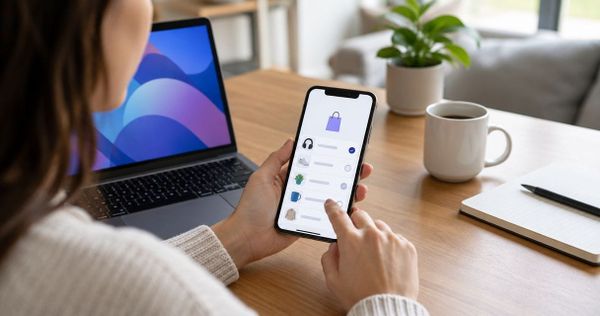
That shift matters, especially now that more shoppers are trying to buy less random stuff and more things with a purpose. It also helps that tools like LMK.today make it easier to organize wishlists from multiple stores, compare options, and avoid impulse buying in the first place. Sustainable shopping often starts before checkout.
A good reusable water bottle still earns its spot
Some gifts become clichés for a reason. A high-quality insulated bottle is one of them.
Not the cheaply branded giveaway kind that tastes faintly metallic after three uses. The genuinely durable ones people carry everywhere for years.
A good bottle cuts down on disposable plastic, saves money over time, and usually becomes part of someone’s daily routine almost immediately. That’s the sweet spot for an eco-conscious gift. It replaces waste without asking the recipient to change their whole lifestyle.
If you’re shopping for someone picky about aesthetics, this is where creating a shared wishlist helps. Instead of guessing colors or brands, you can use a tool like LMK.today wishlists to see what people actually want across different stores instead of juggling screenshots and group chats.
Kitchen upgrades people don’t realize they need
The most successful sustainable gifts are often the least flashy.
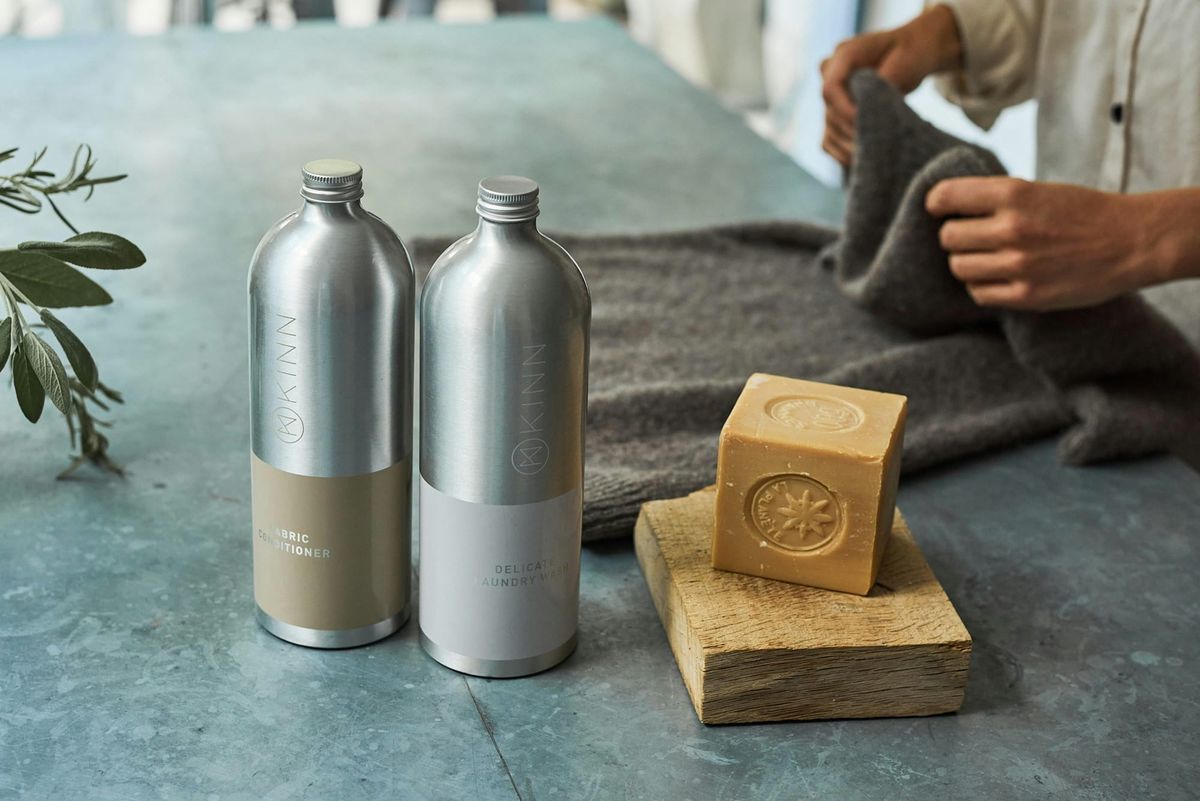
A set of durable glass food containers. Compostable Swedish dishcloths. Refillable hand soap systems. A solid cast iron pan that could realistically outlive everyone involved in the gift exchange.
These work because they solve recurring annoyances. Nobody gets excited about flimsy takeout containers or constantly rebuying paper towels, but replacing disposable habits with better long-term alternatives quietly improves everyday life.
This is also where price tracking becomes surprisingly useful. Eco-friendly products tend to swing wildly in price depending on season, retailer, or trend cycles. Instead of manually checking tabs every week, tools that track prices across stores help shoppers wait for better timing without forgetting the item entirely.
That sounds minor until holiday shopping starts and suddenly everything costs 20% more than it did three weeks ago.
Gifts that reduce digital clutter count too
Not every eco-friendly gift has to be made from recycled cork.
Sometimes sustainability is just helping people buy more intentionally.
Digital gift registries and organized wishlists reduce duplicate purchases, unnecessary returns, and panic buying. That’s part of why more people now use a free online gift registry even outside weddings or baby showers.
Birthdays, housewarmings, graduations, Christmas. They all create the same problem: people guessing.
Guessing usually creates waste.
A thoughtful registry solves that quietly. People receive things they actually need or already planned to buy, which means fewer unwanted items sitting unopened in closets before eventually getting donated or tossed.
The convenience factor matters too. Being able to create online wishlist collections from different ecommerce sites in one place feels dramatically less chaotic than maintaining fifteen browser tabs and three pinned notes.
A bike accessory is often more useful than a bike-themed gift

There’s an entire category of eco gifts that accidentally ignores how people live.
Giving someone an expensive camping solar charger when they barely leave the city isn’t thoughtful. It’s aspirational shopping disguised as generosity.
Practical bike accessories tend to land better because they support habits people already have. A reliable bike light. Waterproof pannier bags. A compact repair kit. Even a really good phone mount.
These are functional upgrades that encourage low-carbon transportation without forcing an identity shift.
The same logic applies to commuters in general. Gifts that make reusable habits easier tend to stick. A sturdy coffee tumbler gets used. A complicated “green lifestyle kit” usually doesn’t.
The best sustainable gifts save people time
This part gets overlooked constantly.
People often focus so much on materials or packaging that they forget convenience matters just as much. If an eco-friendly product creates friction, most people quietly abandon it.
That’s why smart home items can actually make excellent sustainable gifts when chosen carefully. Energy-efficient bulbs. Smart plugs. Programmable thermostats. Devices that reduce electricity waste automatically instead of relying on motivation.
The same principle applies to shopping itself. Browser tools that simplify saving products, comparing prices, and organizing gift ideas remove a surprising amount of mental clutter.
A lot of shoppers now rely on browser-based tools like the LMK.today Chrome extension because it turns scattered browsing into one organized wishlist system. You find something once, save it, and stop reopening the same tabs for three weeks straight.
That’s not just convenient. It usually leads to fewer rushed purchases and fewer regrets.
Experiences still beat objects most of the time

Physical gifts are great when they genuinely improve daily life. But experiences remain one of the lowest-waste options available.
Cooking classes. Museum memberships. National park passes. Concert tickets. Subscription services people already use.
The trick is choosing experiences aligned with the person’s actual interests, not the version of them you imagine in your head.
Nobody wants to receive an aggressively wholesome pottery workshop at 8 AM if they barely survive weekday mornings.
Useful still matters here too.
Eco-friendly gifting works best when it feels normal
That’s probably the biggest shift happening right now.
The best sustainable gifts no longer announce themselves as sustainable first. They’re simply better designed, longer lasting, and more useful than the disposable alternatives they replace.
That’s what makes them stick.
And honestly, thoughtful shopping habits matter just as much as the item itself. Organizing wishlists, waiting for price drops, avoiding duplicate purchases, and buying things people genuinely want is already a more sustainable approach than most holiday panic shopping.
A good gift shouldn’t feel like homework for the recipient. It should quietly become part of their life.
That’s usually the difference between something remembered and something eventually donated.