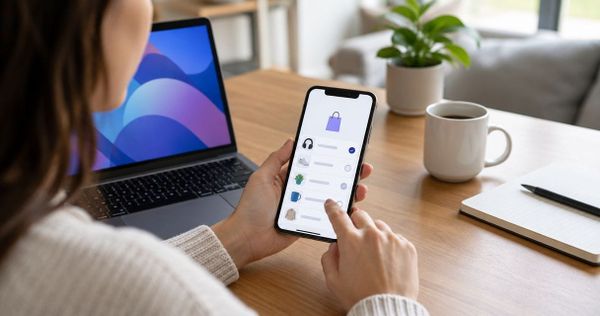
Why Wishlist Apps Are Replacing Traditional Shopping Carts
Why wishlist apps and registries better match modern shopping habits: save items across stores, track prices, organize gifts, and avoid impulse buys.

Not long ago, the shopping cart was the center of everything. You browsed, added items, and checked out. Simple. Linear. Done.
But that flow doesn’t really match how people shop anymore.
Today, shopping is scattered across tabs, saved screenshots, group chats, and half-forgotten browser bookmarks. You might see something on one store, compare it on another, wait for a sale, or send it to someone for a second opinion. The cart was never built for that kind of behavior.
Wishlist apps are.
The Problem With Shopping Carts
Shopping carts were designed for intent. You add something because you’re ready to buy.
But most of the time, that’s not where people are.
They’re browsing. Comparing. Waiting. Planning. Sharing.
A cart doesn’t help you track prices across stores. It doesn’t remind you when something goes on sale. It doesn’t let you organize gift ideas for a birthday next month or a holiday gift registry you’re still building.
So what happens instead? Tabs pile up. You forget where you saw something. You miss a price drop. Or you end up buying impulsively just to “clear the cart.”
That’s not a great experience. And it’s exactly why tools like LMK.today are starting to feel more natural.
Wishlists Fit How People Actually Shop

A wishlist is flexible in a way a cart never was.
You can save something without committing to it. You can revisit it later. You can organize it into categories that make sense to you, whether that’s “holiday gifts,” “home upgrades,” or “things I’ll buy when they go on sale.”
With tools like LMK’s product finder, you’re not locked into a single store either. You can create an online wishlist that pulls from anywhere, which is a big deal when you’re comparing options across multiple sites.
It turns shopping into a longer, more thoughtful process instead of a rushed decision at checkout.
And honestly, that’s how most people prefer to shop now.
Price Tracking Changes the Game
One of the biggest reasons wishlist apps are taking over is simple: they remove the need to constantly check prices.
If you’ve ever refreshed a product page hoping for a discount, you already know how tedious that gets.
A good price tracker app does that work for you.
When you save an item, you can track prices across stores automatically. You get notified when the price drops. No need to keep tabs open or rely on memory.
LMK.today builds this directly into the experience. You save something once, and it quietly keeps an eye on it for you. You can even browse current discounts through their deals page instead of hunting them down yourself.
It’s a small shift, but it changes how you approach buying. You wait for the right moment instead of guessing.
Sharing Is No Longer Awkward

Shopping used to be a solo activity. Now it’s surprisingly social.
Think about group gifts, weddings, baby showers, or even just sending a friend your latest finds. The old way involved screenshots, messy links, or long explanations in chat.
Wishlists clean that up.
You can create a free online gift registry or a simple list and share it instantly. Everything is organized. People know exactly what you want. There’s less duplication, less confusion, and fewer awkward “I already bought that” moments.
If you’re planning something bigger, like a holiday gift registry, it becomes even more useful. You can keep everything in one place and update it as needed without sending new links every time.
LMK.today leans into this with tools designed for sharing, whether you’re building a registry or curating products as a creator. You can explore how others organize their lists through the wishlist discovery page, which adds a bit of inspiration to the process.
The Rise of the “Save Now, Decide Later” Mindset
There’s also a mindset shift happening.
People don’t want to feel rushed into buying decisions anymore. They want space to think, compare, and wait.
Wishlists support that naturally.
Instead of forcing a decision at checkout, they let you collect options over time. You can come back with a clearer head, see what still makes sense, and skip what doesn’t.
It’s a quieter, more intentional way to shop.
And when you combine that with tools like the LMK.today's extension for Chrome, saving items becomes almost effortless. You don’t even have to break your browsing flow. You see something, click once, and it’s added to your list.
LMK.today offers exactly that kind of experience, which is why it feels less like a tool you have to use and more like something that fits into how you already browse.
Merchants Are Adapting Too
This shift isn’t just happening on the user side.
Merchants are starting to recognize that customers aren’t always ready to buy immediately. Instead of pushing for instant conversions, many are embracing features that let users save and return later.
That’s where wishlist ecosystems come in.
Platforms like LMK’s merchant network help bridge that gap. They make it easier for stores to stay part of a shopper’s consideration set without relying on aggressive tactics.
It’s a more sustainable way to build interest and trust over time.
So Are Shopping Carts Going Away?
Not entirely.
Shopping carts still have their place when you’re ready to check out. But they’re no longer the center of the experience.
Wishlists are.
They sit earlier in the journey, where most of the real decision-making happens. They help you organize, compare, track, and share before you ever reach the cart.
And for a lot of people, that’s the part that actually matters.
A Better Way to Shop
If your current system involves too many tabs, missed sales, or last-minute buying decisions, it might be time to rethink how you shop.
A simple shift to using a wishlist can make the whole process feel lighter and more organized.
You don’t have to commit right away. You don’t have to remember everything. You just save what you like and let the rest fall into place.
Tools like LMK.today make that transition easy. You can start by saving a few items, explore deals, or even build a registry for an upcoming event.
From there, it kind of clicks.
Shopping stops feeling like a task you have to manage and starts feeling like something that works around you instead.