The Rise of Self-Gifting: Why More People Buy for Themselves
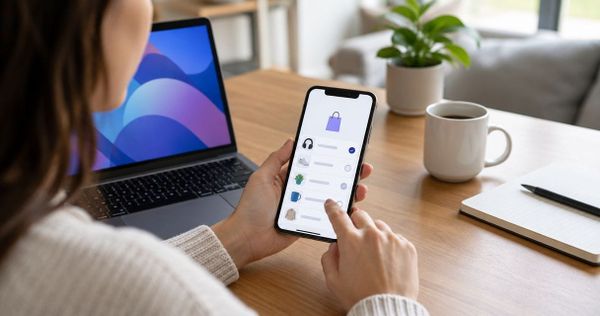
Self-gifting is growing as people use wishlists and registries to track wants, make intentional purchases, and avoid impulse buys with clearer intent.

There’s a quiet shift happening in how people shop. It’s not loud or flashy, but once you notice it, it’s everywhere. More people are buying gifts for themselves, not just on birthdays or holidays, but on random Tuesdays, after a long week, or simply because something caught their eye.
Self-gifting used to feel indulgent, maybe even a little unnecessary. Now it feels… practical. Intentional. Even healthy.
And interestingly, it’s changing how we think about wishlists, registries, and the tools we use to shop.
Self-gifting is no longer a guilty pleasure
For a long time, buying something for yourself came with a bit of internal negotiation. Do I really need this? Should I wait? Is this worth it?
But the rise of self-gifting flips that script. It’s less about impulse and more about awareness. People are paying closer attention to what they want, what they value, and what actually improves their day-to-day life.
Instead of waiting for someone else to guess what you’d like, you’re curating that experience yourself.
This is where tools like LMK.today quietly fit in. Not as a shopping platform in the traditional sense, but as a way to organize intent. You’re not just buying things. You’re collecting ideas, tracking options, and making smarter decisions over time.
The wishlist is becoming a personal space
Wishlists used to be something you made for other people. A birthday list. A holiday gift registry. Something you shared and then forgot about.
Now, more people use them as a personal tool. A place to park ideas. A running list of things you’re considering, comparing, or waiting to buy.
When you create an online wishlist, it becomes less about asking and more about clarity. You’re giving yourself time to think. Do I still want this next week? Is there a better option? Will the price drop?
That shift matters. It turns shopping into something more deliberate and less reactive.
And because LMK.today lets you save items from any store, it doesn’t limit how or where you shop. It just makes the process feel a lot more put together.
The psychology behind buying for yourself

There’s a reason self-gifting feels good, and it’s not just about the item itself.
It’s about control.
When you choose something for yourself, you’re making a decision that reflects your taste, your needs, your timing. There’s no guessing involved. No polite thank you for something you’ll never use.
It also taps into a sense of reward. Small wins matter. Finishing a project. Getting through a stressful week. Even just recognizing that you’ve been holding off on something you genuinely want.
But here’s the catch. Without a system, self-gifting can easily turn into overspending or impulse buying.
That’s where structure helps. A simple price tracker app or a tool that lets you track prices across stores gives you a pause button. You can still want something without buying it immediately. You can wait for the right moment.
And often, that makes the purchase feel even better.
Smart shoppers are building systems, not carts
Open ten tabs, compare prices, forget which one had the better deal. It’s a familiar routine.
The difference now is that people are getting smarter about how they manage that process.
Instead of juggling tabs, they’re using tools that do the heavy lifting. A best shopping tool extension Chrome users rely on, for example, can save items instantly while you browse. No copying links, no screenshots, no mental notes you’ll forget later.
With LMK.today’s Chrome extension, you can build a wishlist as you go. It turns casual browsing into something organized. Something you can revisit when you’re actually ready to buy.
And because it tracks price changes, you don’t have to keep checking back. You’ll know when it’s worth it.
That small shift, from constant checking to passive tracking, changes the entire experience.
Self-gifting doesn’t mean gifting disappears
Interestingly, the rise of self-gifting hasn’t replaced traditional gifting. It’s just made it better.
When people already maintain wishlists, sharing them becomes natural. Whether it’s for a birthday, a wedding, or a holiday gift registry, the list is already there. Thoughtful, updated, and actually useful.
Instead of vague ideas or last-minute guesses, you can find wishlists that reflect what someone genuinely wants.
And if you’re the one planning an event, setting up a free online gift registry becomes less of a chore and more of an extension of what you’re already doing.
It’s not about asking for gifts. It’s about making it easier for people to get it right.
The role of timing in self-gifting
One of the biggest advantages of self-gifting is timing. You’re not tied to a specific date or occasion.
But timing still matters. Not emotionally, but financially.
Waiting for a price drop. Catching a limited deal. Knowing when something is actually worth buying.
That’s why tools that help you track prices across stores are becoming part of the process. They take the guesswork out of it.
Instead of wondering if you’re getting a good deal, you know.
And when you finally decide to buy, it feels less like a splurge and more like a well-timed decision.
A more intentional way to shop
Self-gifting isn’t about buying more. If anything, it’s about buying better.
It encourages you to slow down, to think about what you actually want, and to create a system that supports those decisions.
A wishlist becomes your reference point. A price tracker becomes your filter. A tool like LMK.today becomes the place where it all comes together.
You’re still browsing. Still discovering new things. But there’s a layer of intention that wasn’t there before.
And that changes everything.
Where this trend is heading
Self-gifting isn’t going away. If anything, it’s becoming more refined.
People are getting better at balancing desire with discipline. They’re building habits around how they shop, not just what they buy.
And the tools they use are evolving to support that. Less noise, more clarity. Less urgency, more timing.
If you’ve ever felt like your shopping habits were a bit scattered, this shift might be worth leaning into.
Start small. Save things instead of buying them right away. Let your wishlist grow a bit. Give yourself time to decide.
You might find that the things you eventually buy mean a little more.
And that’s really what self-gifting is about.