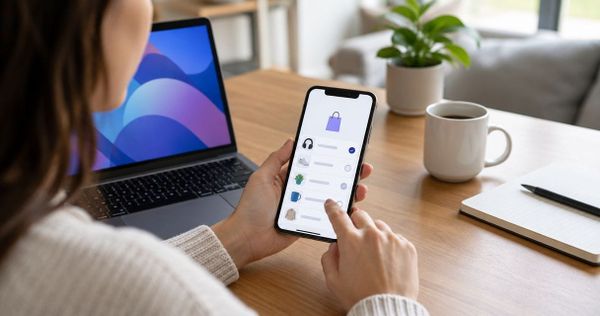
The Psychology Behind Online Shopping in 2026
The Psychology Behind Online Shopping in 2026: how wishlists, curated feeds, and subtle urgency shape faster decisions and help shoppers avoid impulse buys.

=There’s a moment most online shoppers know well. You open a tab just to “look,” and somehow you’re checking out ten minutes later, slightly surprised at yourself.
That moment isn’t random. It’s the result of a shopping experience that’s been carefully shaped around how people think, feel, and decide.
In 2026, online shopping isn’t just about convenience anymore. It’s about psychology. The best platforms understand your habits better than you do, and the smartest shoppers are learning how to use that to their advantage.
Why We Buy Faster Than We Think
Online shopping used to be deliberate. You searched, compared, and eventually decided. Now, decisions happen faster, often before you even realize you’ve made them.
That’s because modern shopping platforms are designed to reduce friction. Fewer clicks. Smarter recommendations. Subtle urgency.
But the biggest shift is emotional, not technical.
People don’t just shop for things. They shop for:
- Relief from decision fatigue
- Small bursts of dopamine
- A sense of control in a busy day
This is why features like curated product feeds and personalized suggestions work so well. They remove the need to think too hard.
Still, there’s a downside. Faster decisions can mean missed deals or impulse buys you regret later.
That’s where smarter tools come in. Browsing through something like LMK’s product discovery page gives you structure without pressure, helping you explore without immediately committing.
The Rise of the “Saved for Later” Mindset
In 2026, fewer people buy on the first visit. Instead, they save, revisit, compare, and wait.
Wishlists have quietly become one of the most powerful tools in online shopping. Not just for organization, but for decision-making.
When you create an online wishlist, you’re doing something subtle but important. You’re separating desire from action.
This helps you:
- Avoid impulse purchases
- Compare options over time
- Let better deals come to you
It also turns shopping into something more intentional. Instead of chasing products, you’re curating them.
Platforms like LMK’s wishlist finder lean into this behavior, making it easier to organize and even share your lists, whether you’re planning a holiday gift registry or just keeping track of things you love.
Why Price Drops Feel So Good

There’s a specific kind of satisfaction that comes from buying something at the right time.
Not just buying it, but knowing you got the best deal.
That feeling is rooted in reward psychology. When you track prices across stores and catch a drop, your brain treats it like a win.
This is why price tracking has become essential. Not optional.
Instead of refreshing tabs or second-guessing your timing, a price tracker app does the waiting for you. It removes uncertainty and replaces it with confidence.
More importantly, it changes your behavior. You stop rushing purchases and start timing them.
If you’ve ever missed a sale by a day, you already know how frustrating that feels. Using tools like LMK’s deals page helps you stay ahead without constantly checking.
Shopping as a Social Experience
Online shopping used to be personal. Now it’s increasingly social.
People share wishlists, send product links in group chats, and collaborate on gift ideas. This is especially true for big life events.
A free online gift registry is no longer just for weddings. It’s used for birthdays, baby showers, and even holiday planning.
The psychology here is simple. People like giving gifts they know will be appreciated. And shoppers like avoiding duplicate or unwanted items.
When you create a shared list, you remove guesswork for everyone involved.
It also turns shopping into something more collaborative and less stressful.
Exploring options through LMK’s merchant network makes it easier to pull items from different stores into one place, which reflects how people actually shop today.
The Role of Convenience in Decision-Making
Convenience is no longer a bonus. It’s expected.
The easier it is to save, track, and organize items, the more likely people are to stay engaged and eventually buy.
This is where browser tools have quietly taken over.
A good shopping tool like the LMK.today Chrome extension doesn’t just save time. It removes small points of friction that would otherwise interrupt your flow.
Instead of:
- Copying links
- Opening new tabs
- Trying to remember products
You just click once and move on.
That simplicity matters more than it seems. Every extra step is a chance for distraction.
Using something like LMK’s homepage as a central hub, paired with a browser extension, creates a seamless loop between discovery and organization.
The Shift Toward Intentional Shopping
All of these changes point to something bigger.
Online shopping in 2026 isn’t just faster. It’s more thoughtful.
People are:
- Saving before buying
- Tracking instead of guessing
- Sharing instead of deciding alone
This doesn’t mean impulse buying has disappeared. It just means there’s a growing awareness of how shopping platforms influence behavior.
And with that awareness comes better habits.
Using tools that support those habits isn’t about spending more. It’s about spending better.
A Smarter Way to Shop
The psychology behind online shopping isn’t going away. If anything, it’s getting more refined.
But that doesn’t mean you have to be on the losing end of it.
When you understand why you shop the way you do, you can start making small changes that add up. Saving instead of buying. Waiting instead of rushing. Tracking instead of guessing.
Over time, those choices turn shopping from something reactive into something intentional.
And that’s where it starts to feel less like a system working on you, and more like one working for you.