Best Desk Setup Accessories That Improve Focus
Best desk setup accessories that improve focus, from ergonomic input devices to targeted lighting, reduce distractions and support sustained, comfortable work.
There’s a quiet difference between a desk you use and a desk that actually helps you think.
You’ve probably felt it. Some days, you sit down and everything just clicks. Other days, you’re adjusting your chair, checking your phone, opening tabs you didn’t mean to open. Same workload, completely different output.
A big part of that comes down to your environment. Not in a dramatic “rebuild your entire office” kind of way, but in small, intentional upgrades. The kind that remove friction instead of adding noise.
This is where the best desk setup accessories that improve focus come in. Not gimmicks. Not aesthetic clutter. Just tools that quietly make it easier to stay locked in.
Start With What You Touch the Most
There’s no point optimizing your desk if the basics feel off.
Your keyboard, mouse, and desk surface are where your attention physically lives. If they’re uncomfortable or inconsistent, your brain notices, even if you don’t.
A mechanical keyboard with a softer actuation can reduce fatigue over long sessions. A well-shaped mouse prevents micro-adjustments that break concentration. Even a desk mat can make a difference by giving your setup a defined, stable feel.
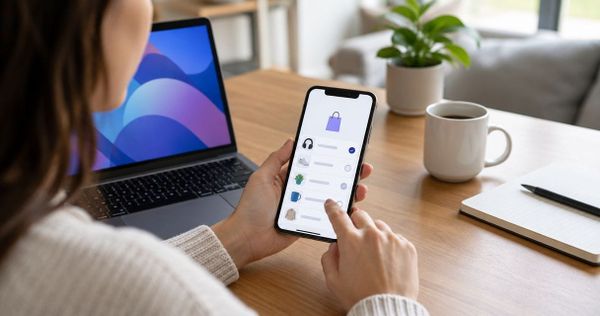
This is also where people tend to impulse-buy without much thought. If you’re browsing options, it helps to keep everything in one place instead of jumping between tabs. Something like the LMK product discovery page makes it easier to compare setups without losing track of what you were considering.
Small upgrades here don’t feel exciting, but they compound fast.
Lighting Isn’t Just Aesthetic, It’s Cognitive
Bad lighting doesn’t just strain your eyes. It subtly drains your attention.
Harsh overhead lights or dim corners force your brain to work harder to stay engaged. That low-level fatigue builds up, and suddenly you’re reaching for distractions.
A focused desk lamp with adjustable brightness can fix that. Warmer tones tend to work better for long sessions, especially at night. During the day, natural light is still king, but only if it’s not hitting your screen directly.
If you’re building a setup from scratch or planning upgrades, it’s worth collecting ideas first instead of buying everything at once. A simple wishlist tool helps you save lighting options and revisit them when you’re ready, instead of relying on memory or screenshots.
Lighting is one of those upgrades you don’t notice immediately. But once it’s right, everything else feels easier.
The Case for Decluttering Without Over-Minimalism

A clean desk helps. That part isn’t new.
But there’s a difference between a clean desk and an empty one. Removing everything can actually make your space feel sterile, which isn’t always great for creative or focused work.
The goal is selective visibility. Keep what you use often within reach. Hide the rest.
Cable management clips, drawer organizers, and monitor risers do more than tidy things up. They reduce visual interruptions. Less visual noise means fewer subconscious distractions.
If you tend to shop across different stores for organizers and accessories, this is where a price tracker app becomes useful. Instead of checking each store manually, you can track deals across different merchants and wait for the right time to buy.
That alone removes a surprising amount of mental clutter.
Sound Control Is an Underrated Focus Tool
You don’t always notice noise until it’s gone.
Background chatter, traffic, random notifications. They chip away at your attention in small pieces. Over time, that adds up.
Noise-canceling headphones are the obvious solution, but even a simple pair of in-ear monitors or a white noise app can help create a consistent audio environment.
What matters is predictability. Your brain focuses better when it isn’t constantly reacting to new sounds.
If you’re planning to upgrade your audio setup, it’s worth watching for price drops instead of buying on impulse. Tools that let you track prices across stores can save you both money and decision fatigue.
Focus improves when fewer decisions compete for your attention.
Add One or Two “Anchors” That Pull You Back to Work

Not everything on your desk needs to be functional in the traditional sense.
A small plant, a notebook, or even a dedicated timer can act as a mental anchor. Something that signals “this is where work happens.”
The trick is restraint. One or two anchors are grounding. Five or six become distractions.
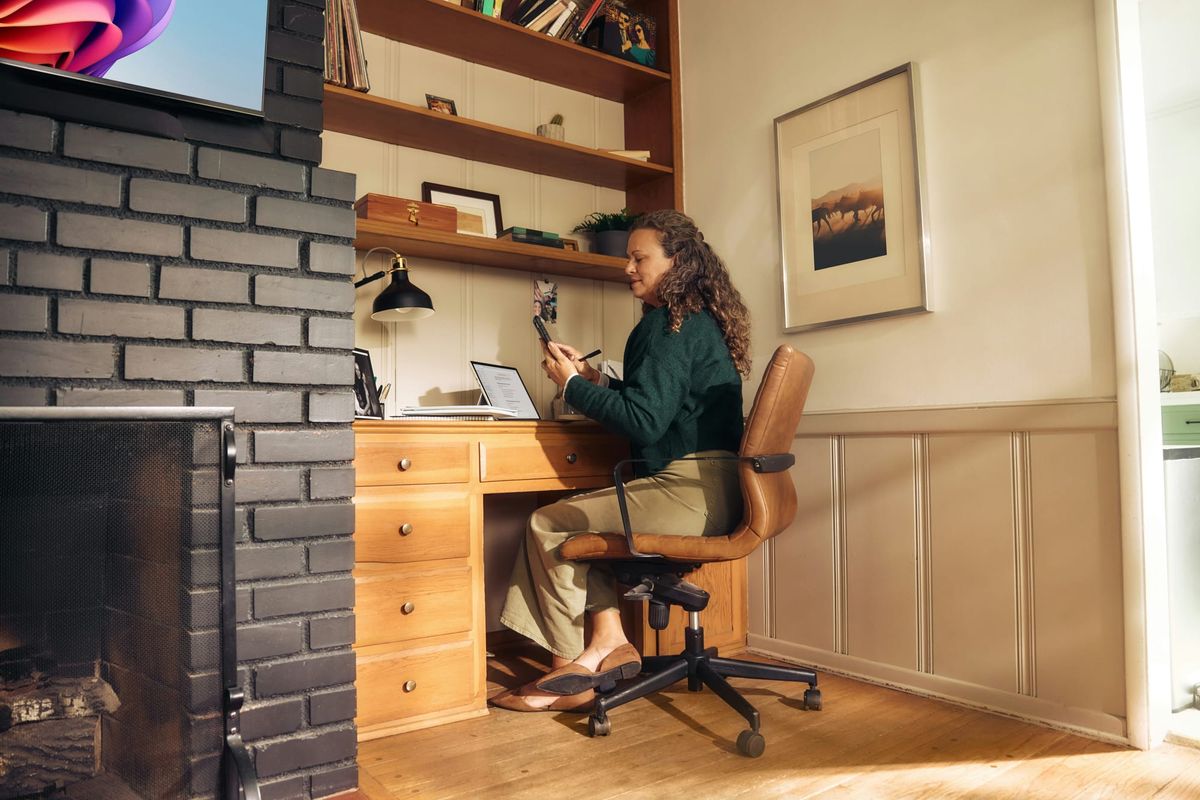
This is especially useful if you’re working from home, where boundaries blur easily. A consistent desk setup trains your brain to switch into focus mode faster.
If you’re someone who likes curating setups or sharing recommendations, you can even organize your favorite desk accessories into a list and revisit them later using LMK’s homepage tools. It’s a simple way to keep your setup intentional instead of reactive.
The Chrome Extension You Didn’t Know You Needed
Most desk setups ignore one major workspace: your browser.
If you’re constantly researching, comparing products, or saving ideas, your tabs can get messy fast. That mental clutter spills over into your actual work.
LMK’s extension lets you save items from any store instantly, organize them into lists, and track price changes without keeping tabs open. It turns scattered browsing into something structured.
Instead of thinking “I’ll come back to this,” you actually can.
It’s a small shift, but it removes one more layer of friction from your day.
Build a Setup That Evolves With You
The best desk setups aren’t built in a day.
They evolve. One upgrade at a time. One problem solved after another.
Maybe it starts with better lighting. Then a cleaner layout. Then tools that help you stay organized without thinking about it.
Over time, your desk becomes less of a workspace and more of a system. One that supports how you work instead of getting in the way.
If there’s one takeaway here, it’s this: focus isn’t just discipline. It’s design.
And the right accessories, chosen thoughtfully, can make that design feel almost effortless.