
Why You’re Overspending Online (And How to Fix It)
Overspending online often comes from fragmented browsing and urgency tactics; use wishlists and price tracking to centralize decisions and spend intentionally.

There’s a quiet moment most of us have after an online purchase. The order confirmation hits your inbox, and instead of excitement, there’s a tiny pause. Did I actually need that?
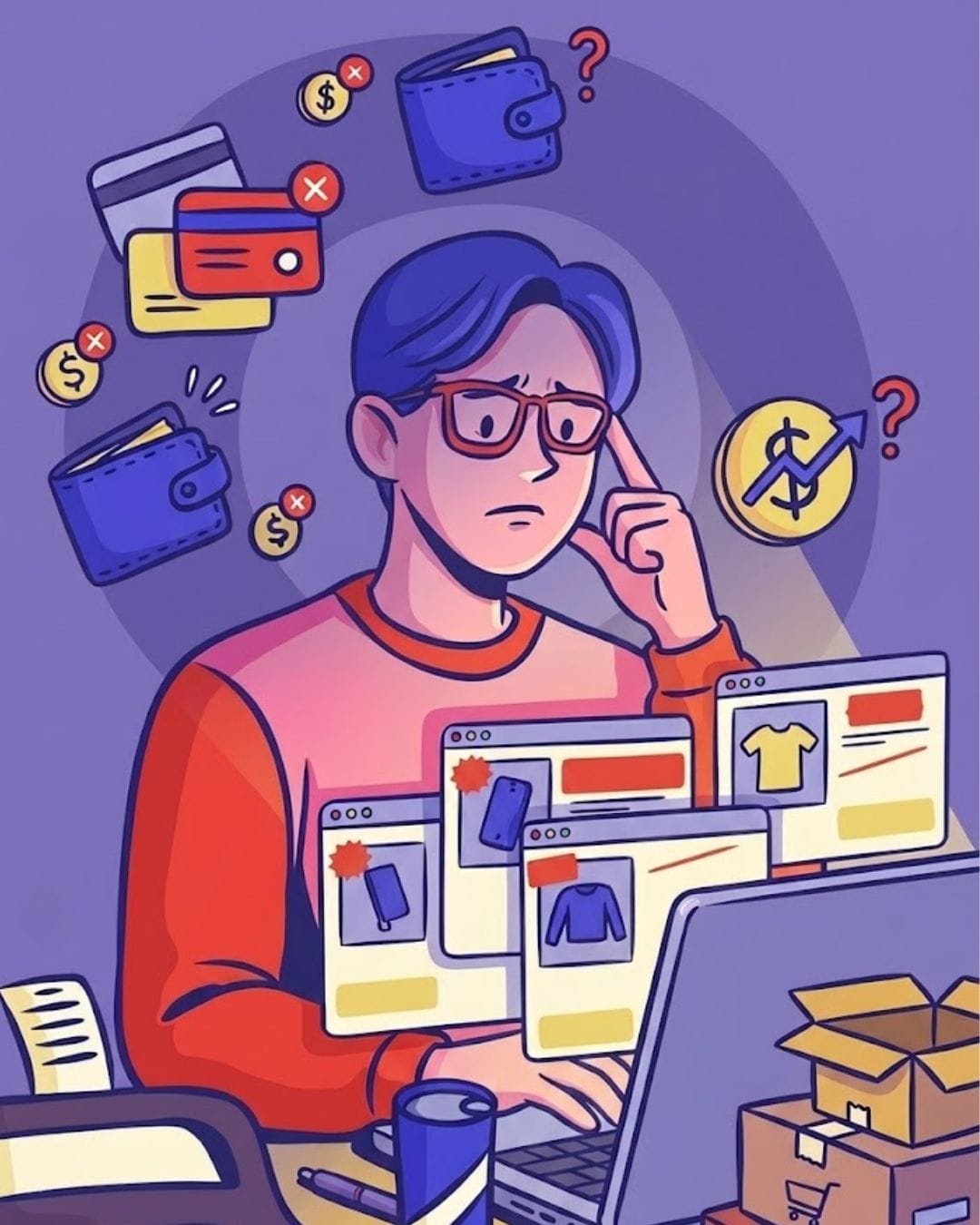
Online shopping has become frictionless in a way that almost works against us. One-click checkouts, endless tabs, and “limited-time” deals create a rhythm where spending feels casual, almost invisible. Before you know it, your cart history tells a very different story than your budget.
If you’ve been wondering why it’s so easy to overspend online, the answer isn’t a lack of discipline. It’s the system. The good news is that you can work with it instead of against it.
The Subtle Psychology Behind Overspending
Online stores are designed to remove hesitation. Free shipping thresholds push you to add “just one more item.” Flash sales create urgency. Recommendations feel personal, even when they’re not.
But the real issue is fragmentation. You’re browsing across different sites, saving things in your head, and losing track of prices. That mental juggling act makes it easier to justify impulse buys.
Instead of trying to remember everything, it helps to centralize your decisions. Tools like LMK.today make that shift simple by letting you collect what you actually want before you buy it.
Once everything is in one place, spending becomes intentional instead of reactive.
You’re Not Tracking Prices, You’re Reacting to Them
A sale feels like an opportunity. But without context, it’s just noise.
That “30% off” item might have been cheaper last month. Or it could drop again next week. The problem is most people don’t track prices across stores. They rely on timing and luck.
A smarter approach is to let the system do the waiting for you.
When you use a price tracker app, you remove the guesswork. Instead of refreshing tabs or revisiting products, you get notified when prices actually drop. That alone can cut down a surprising amount of unnecessary spending.
You can start by browsing deals more intentionally through curated offers rather than reacting to whatever pops up in your feed.
Your “Saved Items” Are Working Against You
Most people already have a wishlist. It just isn’t organized.
It’s a mix of bookmarked tabs, screenshots, and items sitting in carts across different stores. The problem is that this kind of wishlist doesn’t guide decisions. It creates clutter.
When everything is scattered, it’s harder to compare, prioritize, or even remember why you wanted something in the first place.
Creating a proper online wishlist changes that dynamic. Instead of collecting items passively, you’re curating them.
Using a tool that lets you create an online wishlist from any store gives you clarity. You can revisit items later, see if they still make sense, and avoid buying things in the heat of the moment.
That pause is where better decisions happen.
The Convenience Trap of One-Click Shopping
Convenience is great until it removes all friction.
One-click checkout skips the part where you normally reconsider. There’s no moment to compare prices, check alternatives, or even ask yourself if the purchase is necessary.
Adding a small layer of intentional friction can help. Not by making things harder, but by making them smarter.
A browser-based tool like a shopping extension can quietly shift your habits. Instead of buying immediately, you save items as you browse. Over time, this builds a curated list instead of a trail of impulse purchases.
If you’ve ever wanted the best shopping tool extension Chrome users rely on, it’s not about features. It’s about giving yourself space to think before you spend.
Big Events Make Overspending Worse
Birthdays, holidays, weddings, baby showers. These moments amplify spending because they come with expectations.
You want to give the right gift. You don’t want to forget anything. So you end up overbuying or rushing purchases at the last minute.
This is where a free online gift registry or wishlist becomes more than just a convenience. It becomes a planning tool.
Instead of juggling ideas in group chats or notes, you can organize everything in one place. You can even explore or share lists through community wishlists, which helps avoid duplicate gifts and unnecessary purchases.
For larger occasions, browsing trusted merchants in one place can also reduce the urge to jump between random stores and overspend along the way.
The Fix Isn’t Spending Less. It’s Spending Smarter
Cutting back completely rarely works. It feels restrictive, and it doesn’t address the real issue.
The better approach is to build a system around your habits.
A few small shifts make a big difference:
- Save first, buy later. Give yourself time to decide.
- Track prices instead of chasing sales.
- Keep everything in one place so you can compare and prioritize.
- Plan ahead for events instead of rushing purchases.
When you do this, you’re no longer reacting to the online shopping experience. You’re shaping it.
Tools like LMK.today fit naturally into that system. Not as something you have to rely on, but as something that quietly supports better decisions.
A Better Way to Shop Without Overthinking It
Overspending online isn’t about a lack of control. It’s about being surrounded by systems designed to encourage spending.
Once you recognize that, the goal isn’t to fight it. It’s to rebalance it.
When you start tracking what you want, organizing it, and waiting for the right moment, shopping becomes calmer. More deliberate. Less regretful.
And that small shift is usually enough to keep your spending where it should be.