The Best “One-Time Buys” That Last for Years
One-time buys that last—like chairs, cookware, and backpacks—save money long-term when you track prices, build intentional wishlists, and avoid impulse deals.
There’s a certain kind of purchase that feels different from the rest.
Not exciting in a flashy, “new gadget every six months” kind of way. More like the quiet satisfaction of realizing you bought something once… and never had to think about it again.
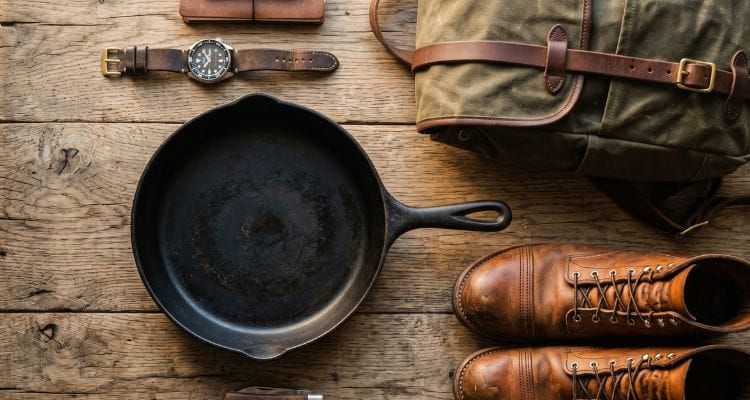
A solid cast iron pan. A backpack that somehow survives airports, rain, and years of overpacking. Headphones that still work long after trendier models disappear from YouTube thumbnails.
The internet loves talking about hacks for saving money, but the truth is simpler than that. Some of the smartest purchases are the ones you stop replacing.
And oddly enough, these kinds of products are harder to find now. Everything feels optimized for short-term excitement instead of long-term value. Which is why more people are building intentional wishlists, tracking price drops, and waiting for the right moment to buy something they’ll actually keep for years. Tools like LMK.Today make that process surprisingly easy, especially if you’re trying to avoid impulse buys disguised as “deals.”
Here’s what tends to be worth buying once, buying well, and holding onto.
A Good Office Chair Is More Valuable Than Most Tech Upgrades
People will spend thousands upgrading phones, tablets, or gaming setups while sitting in a chair that slowly destroys their back.
A genuinely ergonomic chair changes your day in ways you notice gradually. Less stiffness. Better focus. Fewer random breaks because your body’s uncomfortable.
The expensive part hurts upfront, which is why many people keep delaying it. But a quality chair can last a decade or more with minimal maintenance.
The smarter move is usually tracking prices instead of panic-buying during fake “limited-time” sales. Using a price tracking setup lets you wait until the chair you actually want drops naturally instead of settling for a cheaper one you’ll replace in two years.
And honestly, that logic applies to most durable purchases.
Cheap products often cost less today and more eventually.
Kitchen Tools That Quietly Outlive Everything Else
There’s a reason people inherit cookware from their parents.
A few kitchen items have almost absurd longevity:
- Cast iron pans
- High-quality chef’s knives
- Stainless steel mixing bowls
- Dutch ovens
- Manual coffee grinders
These aren’t exciting purchases in the algorithm-friendly sense. Nobody’s rushing to unbox a stainless steel bowl on TikTok.
But they work. Year after year.
The interesting thing is that people who buy durable kitchen gear tend to shop differently afterward. Less clutter. Fewer duplicate gadgets. More intentional purchases overall.
That’s where curated wishlists become surprisingly useful. Instead of juggling screenshots, tabs, and forgotten bookmarks, you can create an online wishlist that collects products from multiple stores in one place. It’s especially helpful when you’re slowly researching bigger purchases instead of buying impulsively.
Good cookware rarely needs replacing. Bad cookware practically schedules its own replacement cycle.
Boots, Bags, and Jackets That Get Better With Age
Fast fashion trained people to expect deterioration.
Loose stitching after six months. Faux leather peeling after one rainy season. Zippers that mysteriously stop cooperating right after the warranty expires.
But there’s another category entirely: products that age well.
Full-grain leather boots. Waxed canvas bags. Heavy wool coats. Proper denim jackets.
The best versions don’t stay pristine. They develop character. Scratches, fading, creases, softened edges. They become more personal over time instead of looking “used up.”
This is one of the easiest areas to overspend impulsively, though. A lot of products look premium online without actually being durable. That’s why comparison shopping matters more here than almost anywhere else.
Using tools that track prices across stores helps separate real value from inflated branding. Sometimes the “luxury” option is mostly marketing. Sometimes the mid-range option quietly lasts twice as long.
The point isn’t buying the most expensive thing.
It’s buying the last version you’ll need for a while.
The Weirdly Underrated Power of a Great Mattress
People accept bad sleep more easily than they should.
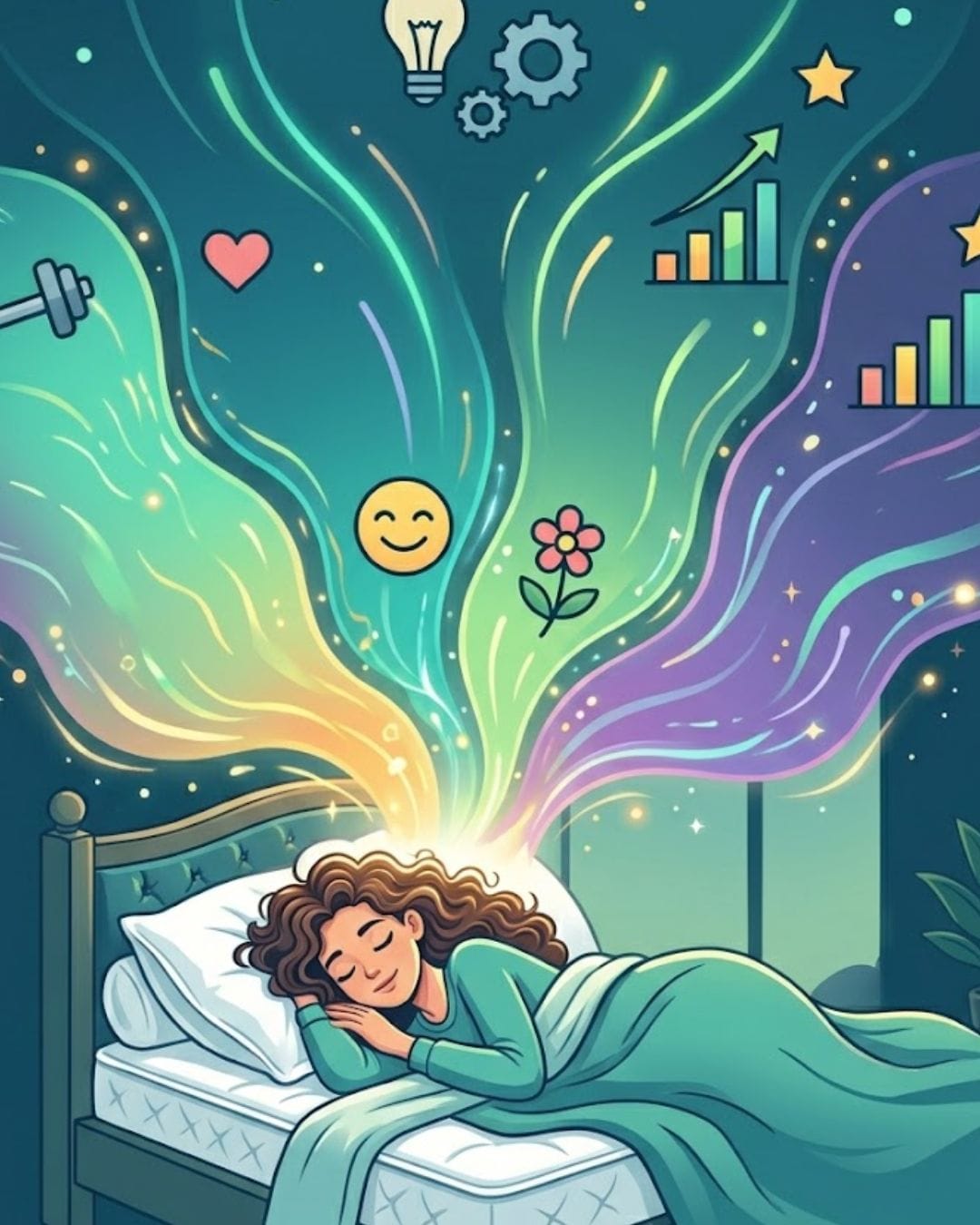
A mattress is one of the clearest examples of a one-time buy that affects nearly every part of daily life. Mood, concentration, recovery, even patience.
And yet many people spend more time researching a phone case than a mattress they’ll use for eight years.
Part of the hesitation comes from how overwhelming mattress shopping became. Endless brands. Aggressive marketing. Fake countdown timers. Confusing “cooling technologies.”
This is exactly where organized wishlists help cut through the noise. Instead of rushing into checkout because a banner says “SALE ENDS TONIGHT,” you can save options, compare them gradually, and revisit later with a clearer head.
The LMK.Today Chrome extension is useful for this because it removes friction from the process. You see something worth considering, save it instantly, and move on with your life instead of opening 17 tabs you’ll never revisit.
Which, realistically, is how most online shopping spirals begin.
Buying Fewer, Better Things Is Quietly Becoming Popular Again
Minimalism had a weird branding problem for a while.
People associated it with empty apartments and owning exactly three shirts.
But the more practical version of minimalism is just this: buy fewer things that work better and last longer.
That mindset is showing up everywhere now:
- Capsule wardrobes
- Durable home goods
- “Buy it for life” communities
- Repair-friendly products
- Thoughtful gift registries instead of random gifting
Even registries are evolving beyond weddings. People now build lists for birthdays, housewarming parties, baby showers, or holiday planning because it avoids duplicate gifts and random clutter.
A free online gift registry also makes it easier to ask for things you’ll genuinely use long-term instead of ending up with novelty items that disappear into storage bins.
There’s something refreshing about receiving one excellent item instead of five forgettable ones.
The Best Purchases Usually Solve the Same Problem Repeatedly
That’s the real pattern.
The products people keep for years aren’t always luxurious or trendy. They simply remove recurring friction from daily life.
Noise-canceling headphones that make flights bearable.
A water bottle that never leaks.
A backpack that fits under every airplane seat.
A reliable vacuum cleaner.
A standing desk.
These purchases earn their value slowly through repetition. The cost spreads across years of usefulness until it barely feels expensive anymore.
Meanwhile, cheap replacements create hidden costs: frustration, maintenance, wasted time, and eventually buying the better version anyway.
One underrated habit is keeping a running wishlist of products you’re considering instead of buying immediately. The distance between “I want this” and “I still want this three months later” is where smart shopping decisions happen.
That’s partly why wishlist tools and price trackers are becoming more popular with intentional shoppers. They create space between interest and impulse.
And usually, that space saves money.
The Best “One-Time Buys” Aren’t Always the Most Expensive
Sometimes the smartest purchase is a $30 item you use every single day for five years.
Other times it’s a larger investment that prevents years of smaller, frustrating replacements.
The common thread is durability paired with usefulness.
Not hype. Not scarcity marketing. Not panic-buying because a timer turned red.
Just products that quietly continue doing their job long after the excitement of buying them fades.
Which might be the best definition of value we have left.