Best Online Purchases That Reduce Everyday Stress
Everyday stress is eased by purchases that cut decision friction—from noise-cancelling headphones to wishlists and price tracking that save attention and time.
It’s not the dramatic kind. It’s the low-level chaos of forgetting where you saved something, realizing the thing you bought yesterday is suddenly 30% cheaper, or opening seventeen tabs because you were “just comparing options.” It’s the mental clutter that builds quietly in the background.
The interesting thing is that some of the best online purchases today are not luxury items. They’re systems. Tiny upgrades that remove friction from daily life before it turns into annoyance.
And honestly, those are usually the purchases that age the best.
The smartest purchases are the ones that save your attention
A good coffee machine saves time. Noise-canceling headphones save focus. A robot vacuum saves effort.
But digital tools are increasingly doing something even more valuable: they save mental bandwidth.
That matters because most shopping stress doesn’t come from spending money. It comes from managing decisions.
Which store has the best price?
Should you wait for a sale?
Where did you save that link?
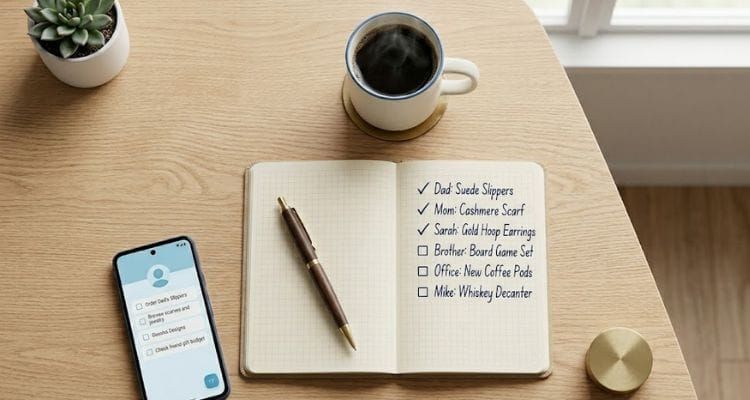
Did someone already buy that gift?
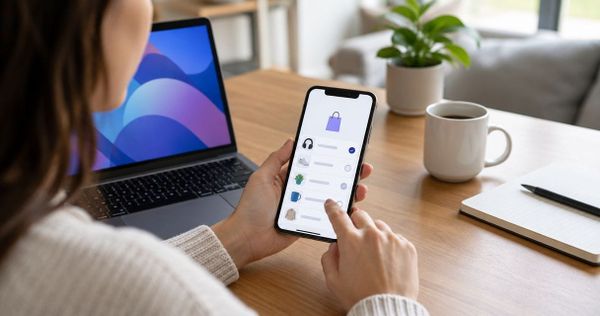
This is exactly why tools like LMK.today are quietly becoming part of people’s everyday routines. Instead of screenshotting products or sending yourself links you’ll never revisit, you can create organized wishlists from almost any online store and actually keep track of what matters.
It sounds simple until you realize how much mental clutter it removes.
A price tracker app is surprisingly good for your nervous system
Most people think price tracking is about saving money.
It is, obviously. But it’s also about stopping the constant cycle of checking prices manually like it’s a part-time job.
If you’ve ever refreshed a product page five times during a sale week, you already understand the problem.
Using a proper price tracker app changes the dynamic entirely. You save the item once, track prices across stores automatically, and wait for the notification instead of monitoring everything yourself.
That’s the underrated part.
Price tracking means your brain can finally leave the tab alone.
This becomes especially useful during high-pressure shopping seasons like Black Friday, Christmas, or back-to-school sales, where prices fluctuate constantly and urgency marketing gets aggressively loud.
A lot of shoppers are realizing that the healthiest shopping habit is not buying faster. It’s buying calmer.
The Chrome extension that prevents digital chaos
Everyone has their own version of “organized.”
Some people use spreadsheets. Some use Notes apps. Some keep forty-seven browser tabs open like a digital monument to unfinished decisions.
The problem is that none of those systems were really designed for shopping across multiple stores.
That’s where a good shopping extension genuinely helps.
The LMK.today Chrome extension makes saving products feel frictionless. Instead of copying links into random documents, you can save items directly into organized wishlists while browsing.
Which sounds minor until you realize how often online shopping becomes fragmented.
You see something on Amazon. Another item on Etsy. A better version somewhere else. Then suddenly you’ve lost track of all of it.
The best shopping tool extension Chrome users can install is usually the one that disappears into the background and quietly keeps everything organized.
That’s the appeal here. Less tab chaos. Less decision fatigue.
Wishlists became more useful once people stopped treating them like holiday-only tools
For a long time, wishlists were basically seasonal.
Birthdays. Christmas. Wedding registries.
Now they’re becoming everyday infrastructure.
People use them for apartment upgrades, skincare routines, hobby planning, travel gear, baby prep, creator recommendations, and “things I want eventually but not today.”
The shift makes sense. Modern shopping is rarely impulsive anymore. Most people research purchases over time.
Being able to create an online wishlist that works across multiple stores is much more useful than platform-specific lists that trap everything in one ecosystem.
And honestly, collaborative wishlists reduce an incredible amount of social stress too.
No awkward “what do you want?” conversations.
No duplicate gifts.
No guessing games.
Just a clean system people can actually use.
Gift registries got smarter, thankfully
Traditional registries always had one weird limitation.
They assumed your entire life could be sourced from one retailer.
That never really matched reality.
People want kitchen items from one store, home decor from another, smaller handmade items from independent shops, and maybe a few oddly specific things TikTok convinced them they needed.
A modern free online gift registry works better because it reflects how people actually shop now.
This is especially helpful for weddings, baby showers, housewarmings, and even group gifting among friends. Instead of maintaining scattered lists across multiple sites, everything lives in one place.
The emotional benefit is underrated too.
Good registries remove uncertainty for everyone involved.
Guests feel confident buying something useful.
Recipients avoid duplicates.
Nobody ends up pretending they “totally needed” three air fryers.
That’s a win for society, honestly.
The best online purchases are often preventative
There’s a pattern hiding underneath all of this.
The most satisfying purchases usually prevent future annoyance.
Not glamorous annoyance. Tiny, repetitive friction.
A cable organizer that stops your desk from becoming spaghetti.
A subscription manager that catches forgotten charges.
A wishlist system that remembers what your brain shouldn’t have to.
Stress reduction rarely arrives dramatically. It happens quietly, through systems that eliminate unnecessary decisions.
That’s partly why digital organization tools are becoming more valuable than impulse gadgets. They don’t just add convenience. They remove cognitive clutter.
And right now, attention is probably the thing people are trying hardest to protect.
Shopping should feel easier than it currently does
The internet made buying things infinitely more accessible. It also made shopping strangely exhausting.
Too many options. Too many tabs. Too many “limited-time” sales screaming for attention.
The tools worth keeping are usually the ones that restore a little calm to the process.
A smarter wishlist.
Automatic price tracking.
A cleaner registry experience.
One place to organize things before they become mental clutter.
That’s why platforms like LMK.today feel less like shopping apps and more like stress-management tools disguised as shopping tools.
Which, honestly, might be the most useful category of online purchase right now.