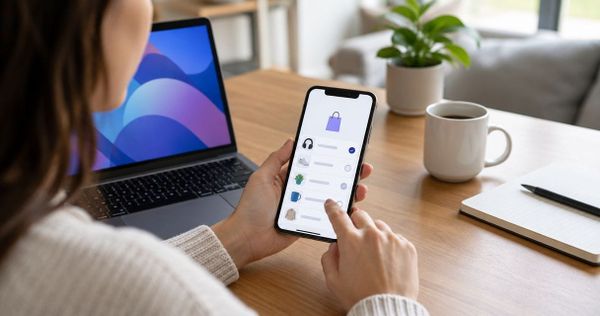
How to Avoid Buying Duplicate Gifts for Friends and Family
How to avoid buying duplicate gifts for friends and family by centralizing wishlists and sharing claimed items so groups don’t buy the same present.
It usually starts the same way.
A group chat lights up. Someone asks, “What are we getting her?” A few suggestions get tossed around, half the group reacts with thumbs up, and then… silence. Fast forward a few days and suddenly two people show up with the same candle. Or worse, three variations of the same kitchen gadget no one asked for.
If you’ve ever been part of that chaos, you already know the problem. Buying thoughtful gifts is hard enough. Buying non-duplicate gifts? That’s a whole different challenge.
Let’s talk about how to avoid buying duplicate gifts for friends and family without turning gift-giving into a full-time project.
The Real Reason Duplicate Gifts Keep Happening
It’s not laziness. It’s fragmentation.
People are browsing different stores, saving ideas in random places, and relying on memory or scattered messages. There’s no single source of truth. Even when someone says what they want, it gets buried under memes and “seen” receipts.
That’s why even well-meaning groups end up overlapping.
One simple fix is to centralize everything. Instead of juggling screenshots and tabs, having one place where gift ideas live makes a huge difference. Tools like LMK.today homepage let you collect items from different stores into a single, shareable list. It removes the guesswork and makes it obvious what’s already been claimed or considered.
It sounds simple, but that clarity is what prevents duplicates before they even happen.
Make Wishlists the Default, Not the Backup Plan
A lot of people treat wishlists as optional. Something you create only when someone insists. But if you want to avoid duplicate gifts, wishlists should be the starting point.
When someone takes the time to create online wishlist collections, they’re not just listing products. They’re setting boundaries for what they actually want.
The key is flexibility. People shop across multiple platforms, so a wishlist that only works for one store feels limiting. A better approach is using something like browse products across stores, where you can pull items from anywhere and keep them in one place.
This way:
- Friends don’t have to guess
- Family members don’t overlap
- You avoid the awkward “I already got that” moment
It also makes gift-giving feel more intentional. Less random, more aligned.
Turn Big Occasions Into Shared Registries
Birthdays are one thing. Weddings, baby showers, and holidays are where duplicates really multiply.
That’s where a holiday gift registry or even a free online gift registry becomes essential. Instead of ten people guessing what to buy, you create a shared system where everyone can see what’s been picked or reserved.
You can explore options like find wishlists and registries to get a sense of how others organize theirs. It’s surprisingly helpful to see how people structure lists for different occasions.
What makes this work:
- Guests can coordinate without constant messaging
- Items don’t get double-claimed
- The recipient actually gets what they need
It removes friction on both sides. No one has to overthink it.
Use a Browser Extension to Capture Ideas Instantly
One underrated reason duplicates happen is delay.
You see something perfect while scrolling, think “I’ll come back to it,” and then forget. Later, someone else finds the same item and buys it. Now you’ve got overlap, simply because the idea wasn’t captured in time.
This is where a great shopping tool extension chrome setup becomes genuinely useful. Instead of relying on memory, you can save items instantly as you browse.
With something like LMK.today’s extension, you can:
- Save products from any ecommerce site in one click
- Add them directly to a wishlist or registry
- Keep everything organized without switching tabs
If you’re curious how it fits into your shopping flow, you can check available stores through supported merchants.
It’s a small habit shift, but it prevents a lot of duplicate decisions later.
Let Price Tracking Do the Waiting for You
Here’s another subtle issue. People hesitate before buying a gift, especially if they think the price might drop. So they wait. Meanwhile, someone else buys it at full price. Now you’ve got duplicates again.
A price tracker app changes that behavior.
Instead of constantly checking tabs or refreshing pages, you can track prices across stores and get notified when something drops. That means:
- You don’t delay decisions unnecessarily
- You don’t lose items to someone else buying first
- You stay confident you’re getting a good deal
If you want to explore how deals surface over time, take a look at latest deals and price drops.
It’s less about saving money and more about removing hesitation, which is often what causes overlap.
Coordinate Without Over-Communicating
Not every group wants a fully structured system. Some people prefer casual coordination.
That’s fine. You don’t need to over-engineer it.
A simple shared wishlist or registry already acts as passive communication. People can check it when they’re ready to buy, without asking ten questions in a group chat.
The trick is visibility:
- Keep lists updated
- Mark items as taken when possible
- Share the link early, not last minute
This way, coordination happens naturally. No micromanaging required.
A Smarter Way to Think About Gift-Giving
Avoiding duplicate gifts isn’t really about logistics. It’s about clarity.
When people know what exists, what’s wanted, and what’s already handled, better decisions follow. Less overlap, less stress, and honestly, better gifts overall.
Tools like LMK.today just make that clarity easier to maintain. Whether you’re building a quick birthday list or setting up a full holiday gift registry, the goal is the same. Keep everything visible, simple, and shared.
Because at the end of the day, the best gift isn’t the most expensive or the most creative one.
It’s the one they didn’t already receive twice.