Experience Gifts vs Physical Gifts: Which Is Better?
Experience gifts vs physical gifts: weigh memories, clutter, and personalization to choose what creates lasting value for the recipient.
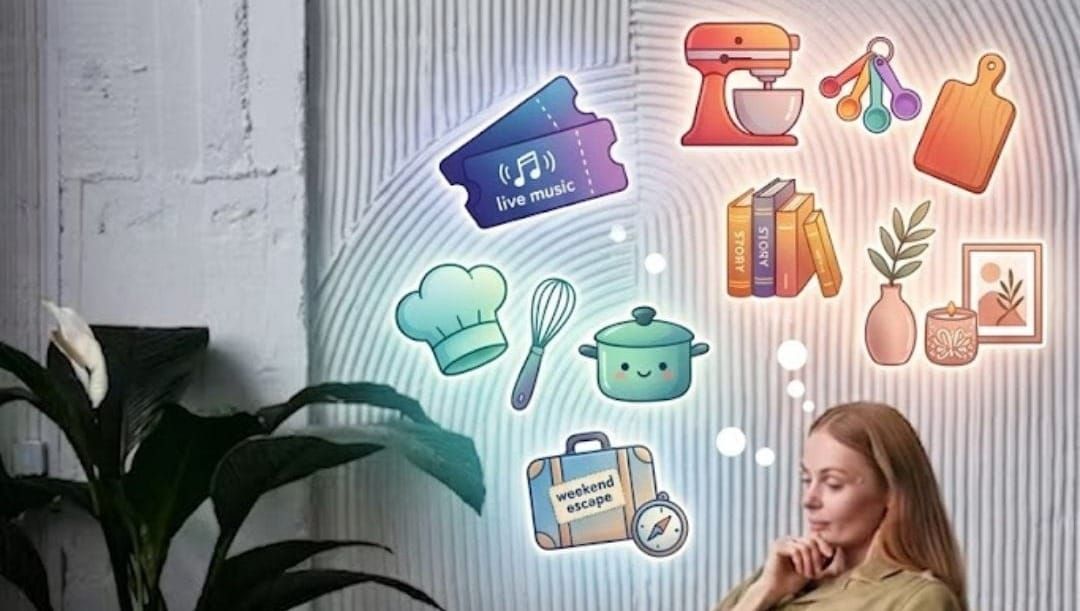
There’s always that moment. You’re staring at your screen, ten tabs open, half-scrolling through gift ideas that all feel… fine. Not bad. Not exciting either.
Somewhere between another scented candle and a last-minute gadget, the question creeps in: should you just buy something, or give an experience instead?
The debate around experience gifts vs physical gifts isn’t new, but it’s become more relevant. People are more intentional with money, more mindful about clutter, and honestly, a little harder to impress.
So what actually makes a better gift?
Why Physical Gifts Still Hold Their Ground
There’s a reason physical gifts haven’t gone anywhere. They’re tangible. You can wrap them, hold them, keep them. They show effort in a very visible way.
A well-chosen physical gift can feel deeply personal. A book someone’s been meaning to read. A kitchen tool they didn’t realize they needed. Something that becomes part of their everyday life.
And when you’re using something like create an online wishlist, physical gifts become even easier to get right. Instead of guessing, you’re choosing from things the person already wants. No awkward “thank you, I love it” moments.
It also helps during bigger occasions. A holiday gift registry or a free online gift registry keeps everything organized, especially when multiple people are buying for the same person.
Still, physical gifts have a downside. They take up space. They can miss the mark. And sometimes, they feel more like a transaction than a memory.
There’s also the reality of overconsumption. Many people are becoming more selective about what they bring into their homes. A gift that ends up unused can feel wasteful, even if it was thoughtful at the time.
That doesn’t mean physical gifts are losing value. It just means the bar is higher. Relevance matters more than ever.
The Rise of Experience Gifts
Experiences have a different kind of value. They’re less about ownership and more about moments.
Think concert tickets, weekend trips, cooking classes, or even something simple like a planned day out. These gifts create stories instead of adding to storage.
Part of the appeal is emotional. Experiences tend to stick. You remember how they felt, not just what they were.
They’re also harder to duplicate. Two people might own the same headphones, but no one has the exact same experience of a surprise trip or a shared activity.
There’s also a shift happening culturally. People are prioritizing memories over material things, especially younger buyers. Social sharing plays a role too. Experiences are more “shareable,” which subtly increases their perceived value.
That said, experience gifts aren’t always easy to plan. Schedules clash. Preferences vary. And without some guidance, you might end up booking something the person wouldn’t actually choose.
That’s where tools like find wishlists come in handy. Some people include experiences in their lists now, not just products. It gives you direction without taking away the surprise.
The Psychology Behind Better Gifting
If you zoom out a bit, the real difference between physical and experience gifts comes down to how people perceive value.
Physical gifts deliver immediate satisfaction. You open it, you see it, you use it. The reward is instant.
Experiences work differently. The anticipation builds before the event, the enjoyment happens during it, and the memory lingers after. In a way, you get three layers of value instead of one.
There’s also something called “hedonic adaptation.” People tend to get used to physical items quickly. That new gadget feels exciting for a week, then it becomes normal.
Experiences resist that pattern. They stay distinct in your memory because they’re tied to emotion and context.
But here’s the catch. Not everyone values things the same way. Some people genuinely prefer useful, practical items they can rely on every day. Others care more about shared moments.
Understanding that difference is what separates a good gift from a great one.
The Practical Side Most People Overlook
Here’s what rarely gets talked about. The best gift isn’t just about what you give. It’s about how easy it is to choose it.
Most people don’t enjoy hunting across five different stores, comparing prices, and second-guessing decisions. That’s where having a system matters.
Using a price tracker app or a tool that lets you track prices across stores changes the game. Instead of rushing into a purchase, you can wait for the right moment.
With something like browse deals, you’re not just picking a gift. You’re making sure you’re not overpaying for it.
And if you’re someone who constantly spots great gift ideas but forgets them later, a great shopping tool extension chrome setup makes a huge difference. You can save items instantly, whether they’re physical products or experience-based bookings.
Price tracking also removes a subtle pressure. You don’t have to buy immediately out of fear that the price might go up. Instead, you can make calmer, more intentional decisions.
It sounds simple, but it removes a lot of friction.
When Physical Gifts Make More Sense
There are situations where physical gifts are just the better option.
- Milestones like weddings or baby showers where practical items matter
- Long-distance gifting where coordination is harder
- When the person prefers useful, everyday items
- When timing is tight and planning an experience isn’t realistic
This is where a free online gift registry becomes almost essential. It keeps things clear for everyone involved and avoids duplicates.
You can also explore curated options through discover merchants if you’re looking for something a bit more thoughtful than the usual big-box picks.
When Experience Gifts Win
Experience gifts tend to shine in more personal settings.
- Birthdays where you want to create a memory
- Anniversaries or relationship milestones
- Gifting for someone who already “has everything”
- Situations where you want to spend time together
They also work well when you want to shift the focus away from material things.
The key is relevance. A great experience gift feels tailored, not generic. It should match the person’s interests, not just what sounds exciting on paper.
A random spa voucher might feel impersonal. But a carefully chosen activity that aligns with what they love feels intentional.
The Hybrid Approach That Actually Works
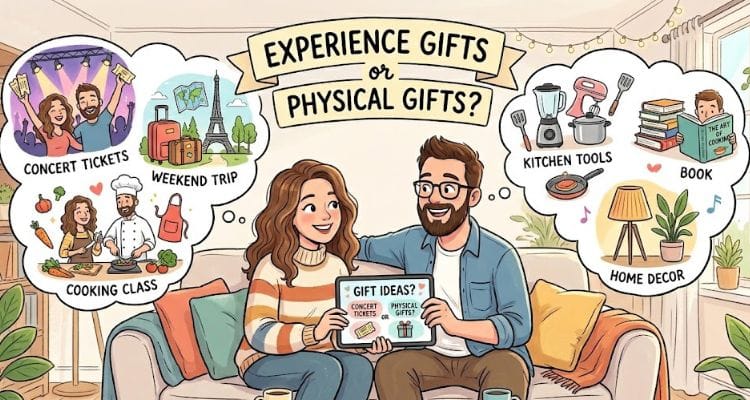
Here’s the part most people miss. You don’t have to choose.
Some of the best gifts combine both.
A small physical item paired with an experience. Something tangible to unwrap, plus something to look forward to.
For example, a travel accessory paired with a booked trip. Or a cookbook paired with a cooking class.
This approach works especially well during holidays, where people still expect something to open, but appreciate something more meaningful behind it.
If you’re organizing ideas across different types of gifts, having everything in one place helps. That’s where a platform like LMK.today homepage quietly becomes useful. You can mix products, experiences, and even track when prices drop without juggling multiple apps.
A Smarter Way to Gift Without Overthinking It
At some point, gifting stops being about categories and starts being about clarity.
When you know what someone wants, everything gets easier. No guessing. No overthinking. No last-minute panic.
That’s why more people are choosing to create an online wishlist instead of relying on vague hints or group chats that go nowhere. It gives structure without removing the thoughtfulness behind the gift.
It also helps the person receiving the gift. They get something they actually want, not something they have to politely appreciate.
And if you’re the one buying, combining wishlists with a price tracker app means you can plan ahead and avoid overspending.
So, Which Is Better?
It depends less on the category and more on the intention.
Physical gifts are reliable, practical, and easier to execute well. Experience gifts are memorable, emotional, and often more meaningful.
If you’re choosing blindly, physical is safer.
If you know the person well, experiences can hit harder.
But the real advantage comes from being organized about it. When you can create an online wishlist, track prices, and see what someone actually wants, the decision gets easier either way.
In the end, a good gift doesn’t feel like a guess. It feels like you paid attention.