Digital vs Physical Gifts: What People Prefer in 2026
Digital vs physical gifts in 2026: why convenience, personalization, and wishlists are reshaping how people give and receive presents.

There’s a moment that keeps happening in group chats lately. Someone asks, “What should we get them?” A few links get dropped. Someone forgets to buy it. Someone else buys the same thing twice. And somehow, the gift still arrives late.
Gifting hasn’t gotten harder. It’s just gotten… messier.
That’s why the conversation around digital vs physical gifts in 2026 feels less like a debate and more like a reflection of how people actually live and shop now. Convenience, personalization, and timing matter more than ever. And the way we give gifts is quietly adapting.
The Shift Toward Digital Gifting (and Why It’s Not Slowing Down)
Digital gifts used to feel like a backup plan. A quick e-gift card when you ran out of time. Now they’re often the first choice.
People are juggling more platforms, more schedules, and more last-minute decisions. Digital gifts fit into that reality. They’re instant, flexible, and surprisingly thoughtful when done right.
More importantly, they solve a real problem. You don’t need to guess sizes, styles, or preferences. You give someone the freedom to choose.
This is where tools like LMK.today start to feel less like a “nice-to-have” and more like a practical solution. Instead of guessing, you can simply check someone’s wishlist or share your own. It turns gifting into something intentional rather than reactive.
And when people can create an online wishlist that pulls from multiple stores, the experience becomes even smoother. No more scattered links. No more duplicate gifts. Just a clear view of what someone actually wants.
Physical Gifts Still Matter, But the Rules Have Changed
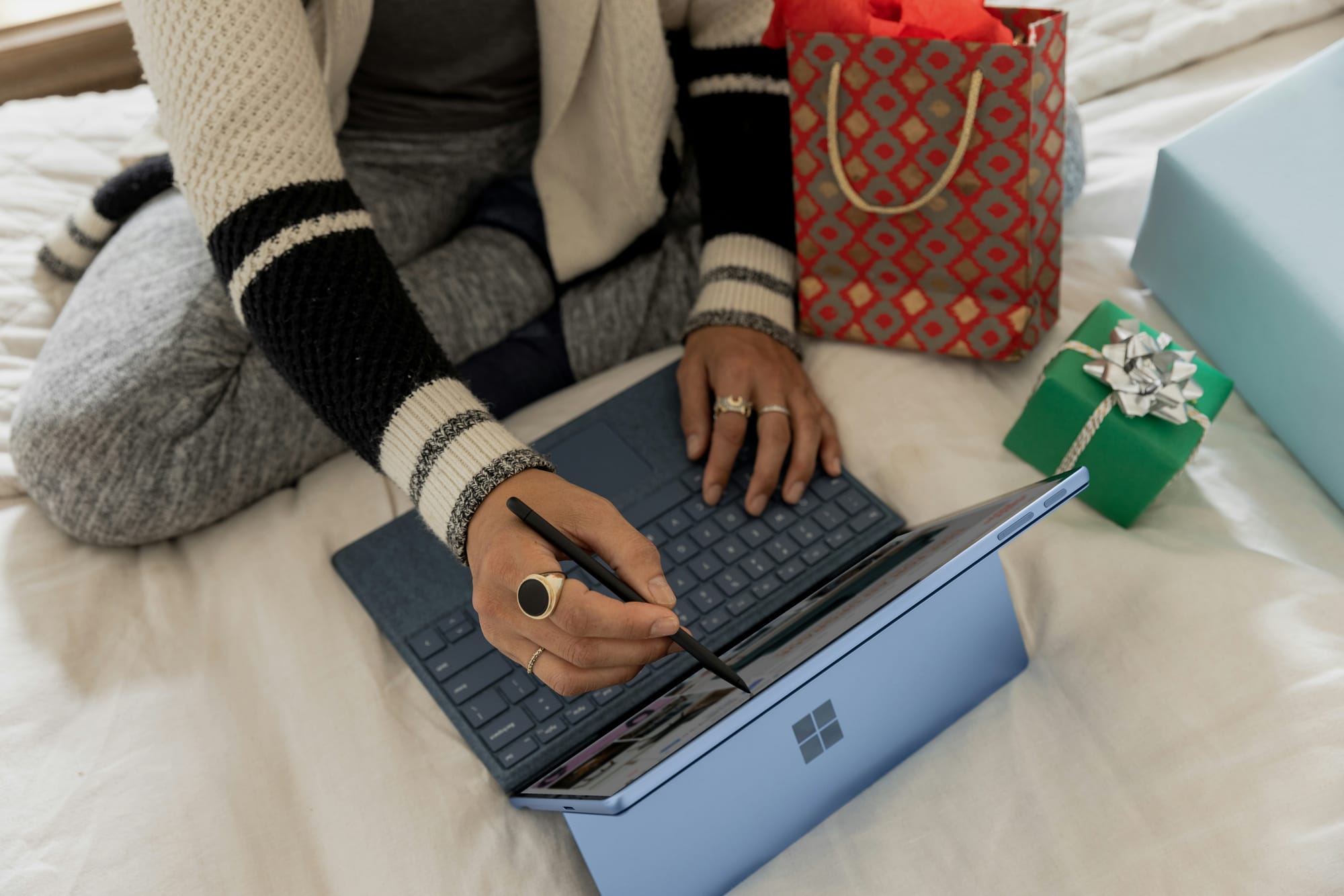
Physical gifts aren’t going anywhere. They just carry a different kind of weight now.
There’s something about unwrapping a real object that digital can’t replicate. A well-chosen physical gift still feels personal, especially when it shows effort or understanding.
But expectations have shifted. People don’t want more stuff. They want better stuff.
That means:
- Fewer random purchases
- More thoughtful selections
- Higher relevance to the recipient’s life
This is why curated lists and registries are becoming more common, even outside traditional events. Whether it’s a birthday, a housewarming, or a casual celebration, people are leaning toward free online gift registry tools to guide their choices.
If you’ve ever browsed through products across different stores, you know how overwhelming it can get. Having everything saved in one place changes the game. It turns physical gifting from guesswork into something precise and meaningful.
The Real Winner: A Hybrid Approach
If 2026 has a clear trend, it’s this. People aren’t choosing between digital and physical. They’re blending both.
A physical gift might be paired with a digital experience. A wishlist might include both tangible items and flexible options like gift cards or subscriptions.
The key is flexibility.
For example, someone planning a wedding or a baby shower might set up a holiday gift registry that includes:
- Physical essentials they need
- Digital contributions or experiences
- Items across multiple stores
Using something like wishlists, guests can easily find and contribute without confusion. It removes the friction that usually comes with group gifting.
And for the person receiving the gifts, it means fewer duplicates and more things they actually want.
Smarter Shopping Is Driving the Change
Another big reason digital gifting is rising? People are shopping smarter.
Nobody wants to overpay, especially during peak seasons. And constantly checking prices across tabs isn’t realistic.
That’s where tools like a price tracker app come in. Instead of manually refreshing pages, you can track prices across stores and get notified when something drops.
It sounds simple, but it changes behavior.
You stop panic-buying. You start planning.
With platforms like deals, shoppers can spot opportunities without spending hours searching. It makes both digital and physical gifting more strategic.
And if you’re someone who shops frequently, using the best shopping tool extension chrome can save items instantly while browsing. No screenshots, no forgotten tabs. Just a clean, organized list ready when you need it.
For Creators and Sharers, Gifting Is Now Social
There’s another layer to this shift. Gifting is becoming more shareable.
Influencers, creators, and even everyday users are curating lists of their favorite finds. These aren’t just for themselves. They’re meant to be shared.
A wishlist today can function as:
- A gift guide
- A personal recommendation list
- A curated shopping experience
With access to merchants across different platforms, it’s easier to build and share lists that feel authentic.
Instead of sending multiple links, you send one. And everything is already organized.
So What Do People Actually Prefer in 2026?
If you’re looking for a simple answer, here it is.
People prefer gifts that feel easy to give and right to receive.
Sometimes that’s digital. Sometimes it’s physical. Most of the time, it’s a mix of both.
What’s changed isn’t the desire to give meaningful gifts. It’s the tools and expectations around how we do it.
Convenience matters. Timing matters. Personalization matters.
And when those three things come together, the format of the gift becomes less important than the experience itself.
A More Thoughtful Way to Gift
Gifting doesn’t have to feel chaotic.
When you can organize ideas, create an online wishlist, and keep track of prices without effort, the whole process becomes calmer. More intentional. Even a little enjoyable.
That’s really what 2026 is pointing toward. Not digital versus physical, but thoughtful versus rushed.
And most people are choosing thoughtful.